Corvus corone
Copied!
Mass
~570 g
Habitat
Urban areas and gardens
Diet
Omnivore
How to recognize it
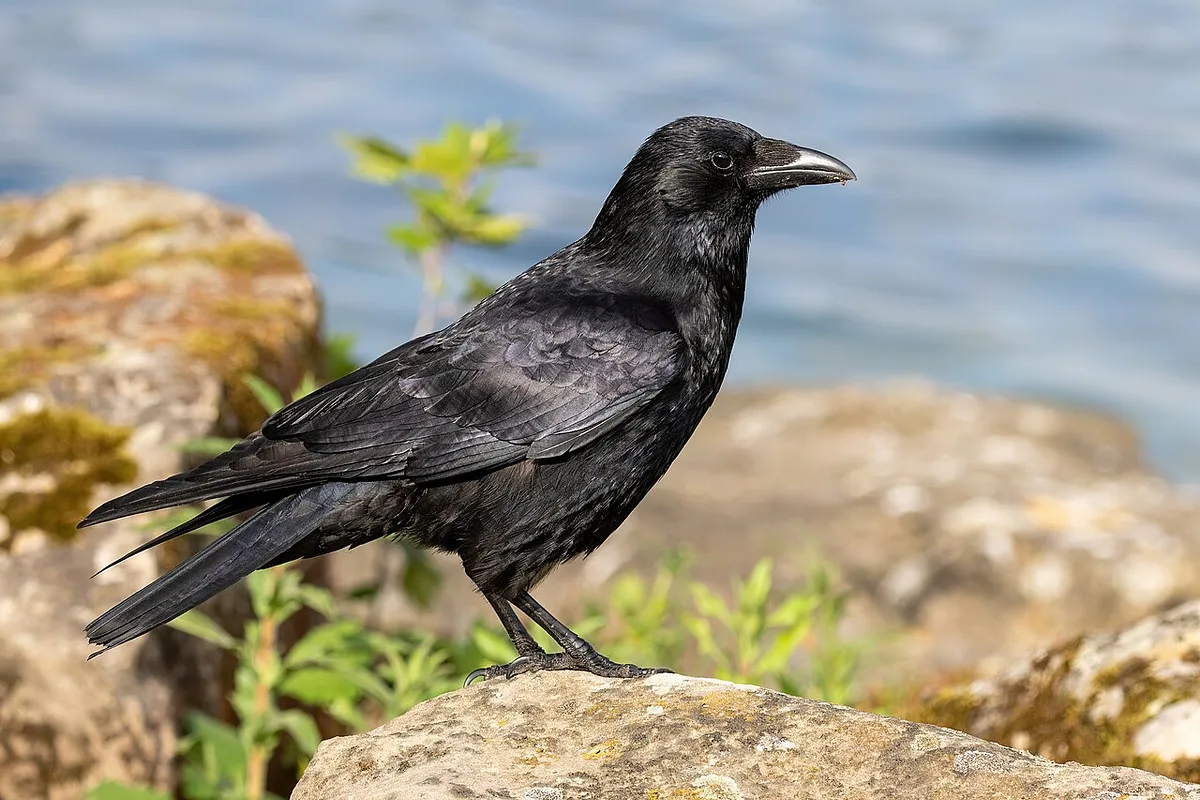
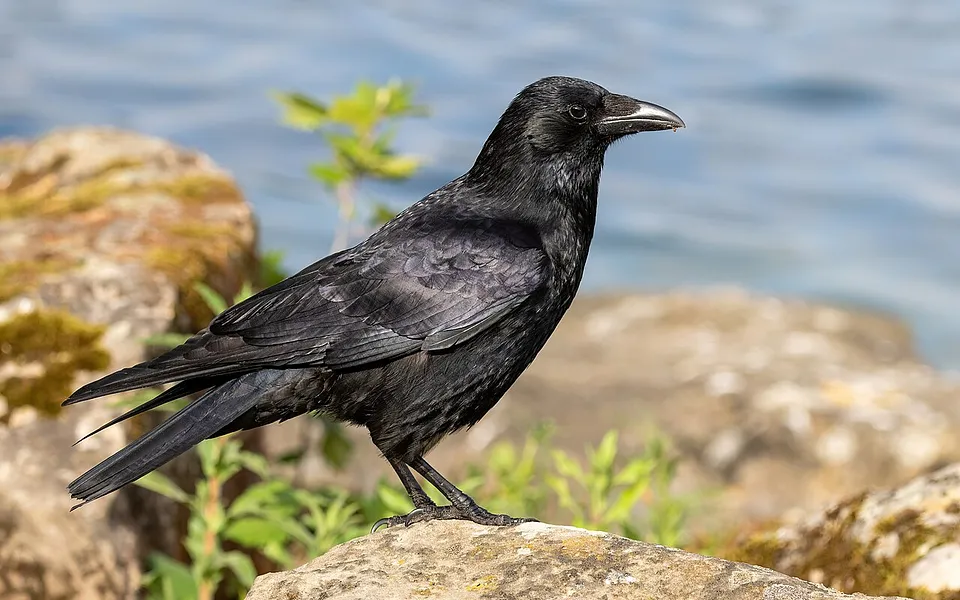
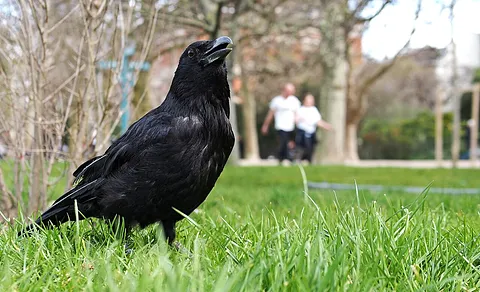
Carrion Crow looks sleek and austere, like a dark shape cut out against the city sky. Its black plumage can flash green or purple in the light, which makes it stand out on rooftops and bare branches.
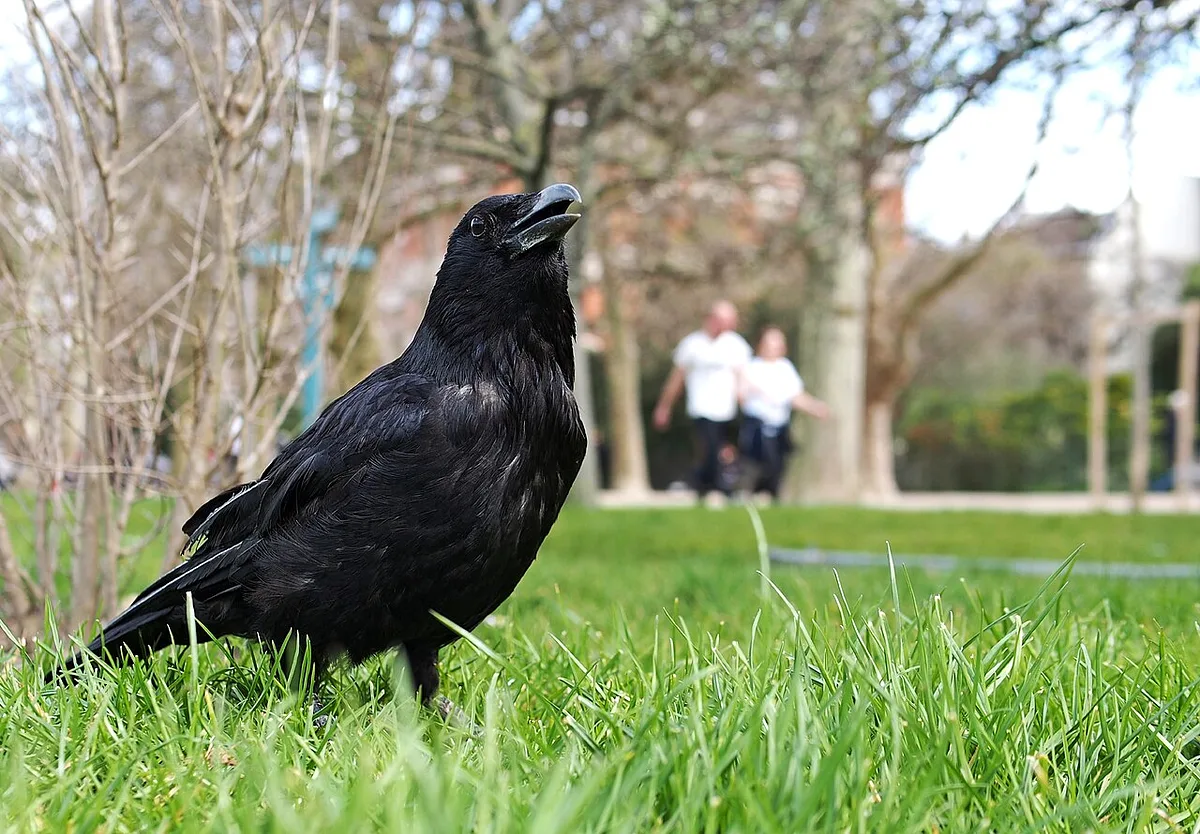
It is noisy and self-assured, often calling from a high perch on a tree or building. The voice is low and rough, usually given in short bursts with brief pauses, and the wingbeats feel slow and deliberate in flight.
It adapts easily to people and turns up in cities, parks, farmland, woodland, and along cliffs and moors. It feeds on carrion, insects, worms, grain, scraps, small animals, and other available food, and often gathers in winter roosts.
Quick Facts
Listen to the call
Carrion Crow looks sleek and austere, like a dark shape cut out against the city sky. Its black plumage can flash green or purple in the light, which makes it stand out on rooftops and bare branches.
It is noisy and self-assured, often calling from a high perch on a tree or building. The voice is low and rough, usually given in short bursts with brief pauses, and the wingbeats feel slow and deliberate in flight.
It adapts easily to people and turns up in cities, parks, farmland, woodland, and along cliffs and moors. It feeds on carrion, insects, worms, grain, scraps, small animals, and other available food, and often gathers in winter roosts.
How to recognize it
You might also see
Sources
- eBird — Corvus corone Sightings map and full description on eBird
- Wikipedia — Carrion crow Encyclopedia article