Accentors · Perching birds
Dunnock
Link copied.
Prunella modularis
Link copied.
Voice
Call
Song
Song
How to recognize it
-
13–14.5 cm, about sparrow-sized
-
Adults with an ash-grey head, throat and breast; rusty-brown back with dark streaks
-
Walks quickly on the ground through dense shrubs rather than hopping
-
High, thin call, a "tseep"
About the species
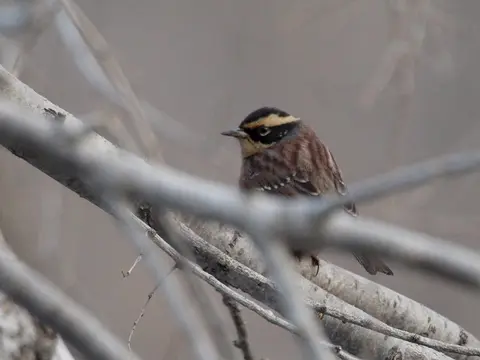
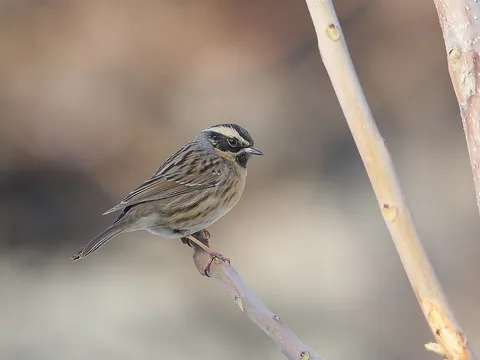
The Dunnock's grey head and chest blend into a rusty-brown back, marked with dark streaks. Its belly is pale, and a fine pointed bill adds a clear detail to its muted coloring. Reddish-brown legs show beneath it as it moves through low growth; males and females look much alike.
It slips along the ground through dense shrubs, walking rather than hopping, and flicks its wings during territorial disputes. If flushed, it may fly to a branch, look around, then move on if danger comes closer. Listen for a sharp "tseep" or, in the breeding season, a quick, thin, tinkling song.
Woodland undergrowth, gardens, shrubs and hedgerows all provide cover. It searches the ground and leaf litter for insects, spiders and other small invertebrates, then eats more seeds and berries in autumn. Many in western Europe stay year-round, while populations farther north and east migrate partly or entirely.
Where to find
-
In western European parks with hedges and dense undergrowth, look for a Dunnock searching the ground through fallen leaves.
-
During the breeding season, listen for the male's high, melodic trills from a treetop.
-
At feeders in winter, watch for pecking at bread crumbs and pieces of fat.
-
In northern forests with fallen timber and thick shrubs, a flush from the ground may be followed by a quick flight to a branch and a brief pause to look around.