Skuas · Shorebirds
Long-tailed Jaeger
Link copied.
Stercorarius longicaudus
Link copied.
Voice
Call
How to recognize it
-
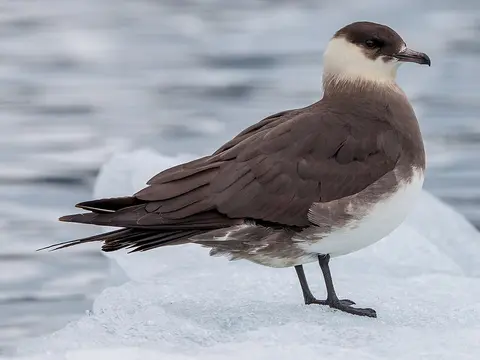
48–53 cm, like a large gull
-
Grey back, black cap, pale underparts
-
Very long, pointed central tail feathers
-
Often hovers; harsh call "kreeah"
About the species
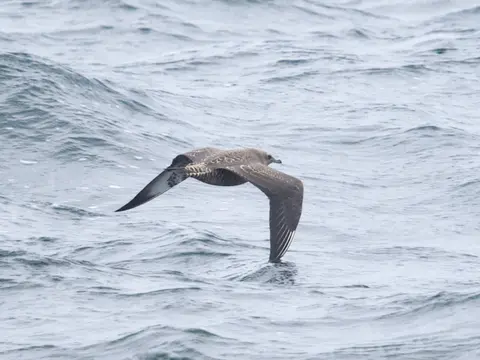
The Long-tailed Jaeger keeps a sleek, airy look in flight, and the tail can trail far beyond the rest of the body. Adults often hover over their breeding area before dropping back down.
Away from the nest, it spends much of its time over open water and takes fish and other small prey near the surface. It also chases other seabirds until they drop food, and in the breeding season it feeds mainly on lemmings near the nest.
It breeds across the high Arctic of Eurasia and North America, then moves south for winter to the Atlantic and Pacific. On the breeding grounds it gives yelping and rattling calls, and farther out at sea its voice is a harsh "kreeah". When young wander, they may also pick up insects, eggs, scraps, fruit, and carrion.
Where to find
-
Long-tailed Jaeger is most realistic to spot on open lawns and vacant ground near water — making short dashes to grab insects or small prey from the ground.
-
Along pond edges, canal banks, or rain-filled puddles, watch for low, jerky flights just above the grass.
-
On waterfront promenades and near bridges, it may chase gulls in fast, sharp turns until they drop food.
-
On a windy day over an open square or a broad empty lot, it can hover almost in place, hanging in the air.