Birds of Chunozero
Link copied.
Rarely recorded

- Species
- ≈ 34 species Source, Species: Community observations: eBird and GBIF
- Best time
- June Source, Best time: Months with the most species, across all years of observations
- ≈ 34 species Source, Species: Community observations: eBird and GBIF
- June Source, Best time: Months with the most species, across all years of observations
Birds in October
All birds
October
Within 10 km

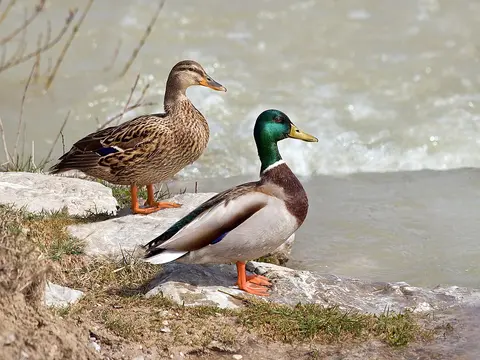
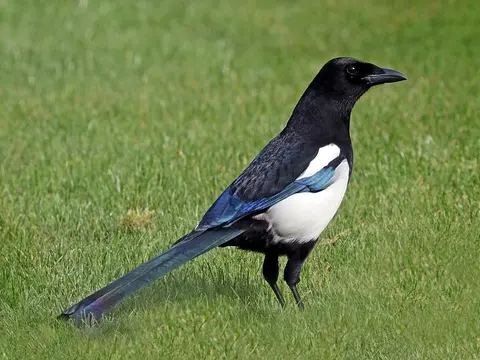
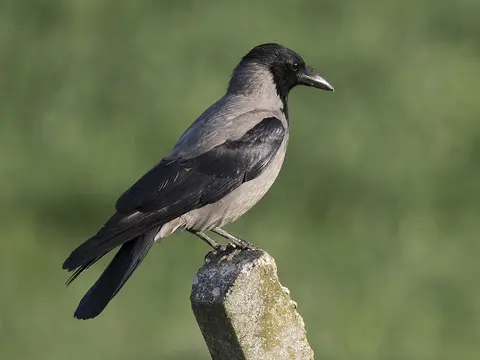
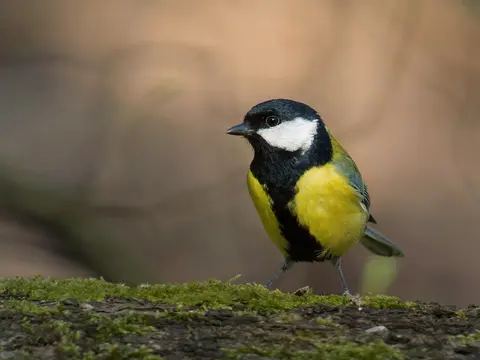

About the lake
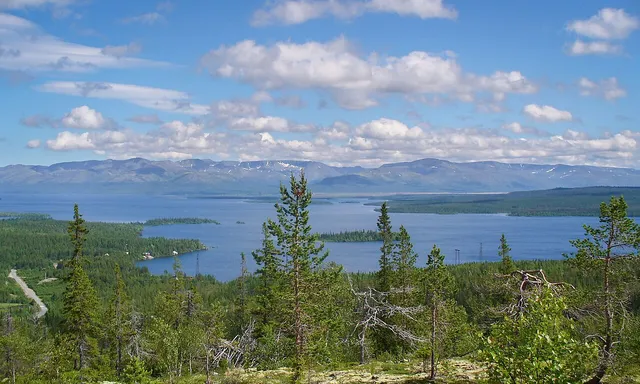
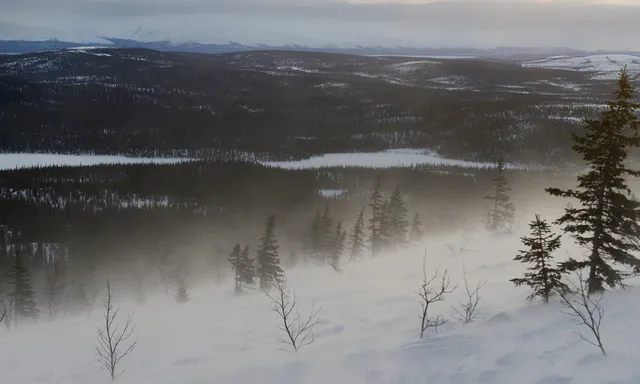
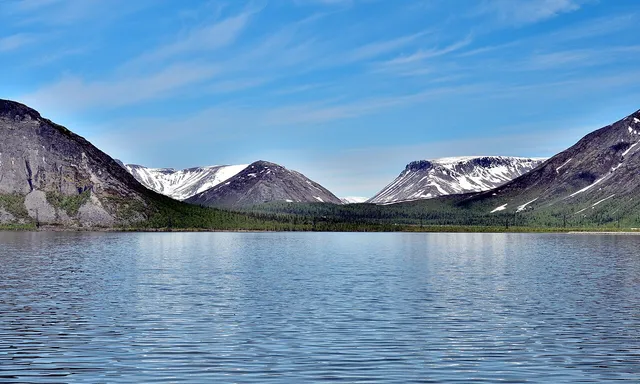
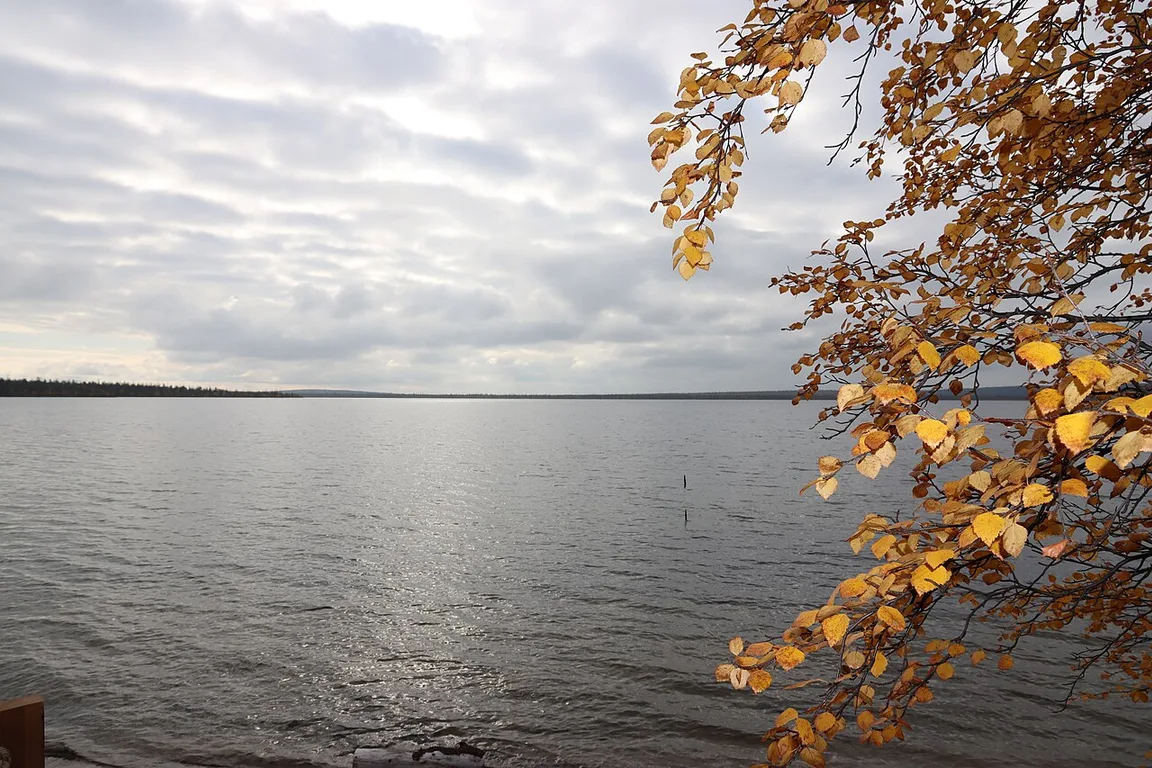
Chunozero runs for about 20.3 km, while its average width is roughly 1 km; it narrows to 500 m in places and widens to 2.6 km in the south. The Chunatundra massif rises to the north, where the banks are high; the southern shore is low. Most banks are stony, marshy stretches are rare, and spruce-birch forest grows along the shore. Rivers and streams feed the lake, most flowing down from Chunatundra; the Chuna enters from the north-west. The western part reaches 36 m deep. Ice usually forms in October or November and clears in June.
Read more
On the western Kola Peninsula, north of Ekostrovskaya Imandra, Chunozero lies at 128.6 m above sea level within Lapland Nature Reserve. Its eastern outflow passes through Voche-Lambina into the Imandra lake system. The name comes from the Sami word chuen, meaning “goose”; Chuenyavr is another name for the lake. A settlement called Chunozero stood on the north-western shore from 1937 to 1964. Since 2017, an ecological trail has run along the lake to the reserve’s first outpost.
Birds recorded nearby include the Bohemian waxwing, redpoll, Eurasian siskin, willow tit and spotted flycatcher.
When there are more birds
October — 6 species
- Winter
- Spring
- Summer
- Autumn
Getting there
Directions on the map you prefer