Birds of Lapland Biosphere Reserve
Link copied.
Rarely recorded
- Species
- ≈ 35 species Source, Species: Community observations: eBird and GBIF
- Best time
- June Source, Best time: Months with the most species, across all years of observations
- ≈ 35 species Source, Species: Community observations: eBird and GBIF
- June Source, Best time: Months with the most species, across all years of observations
- 1930 Source, Founded: From Wikidata
Birds in October
All birds
October





About the park
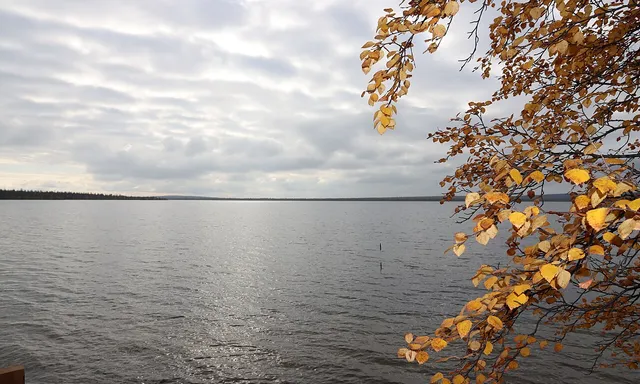
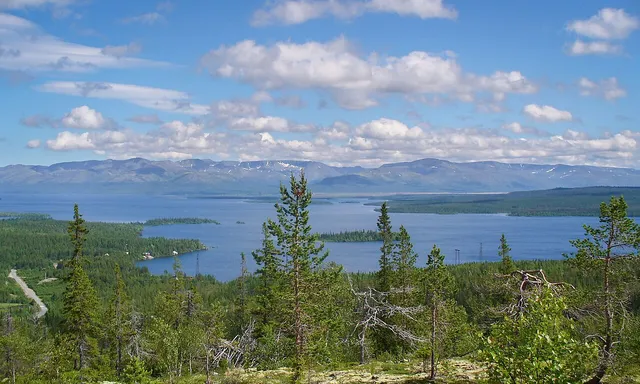
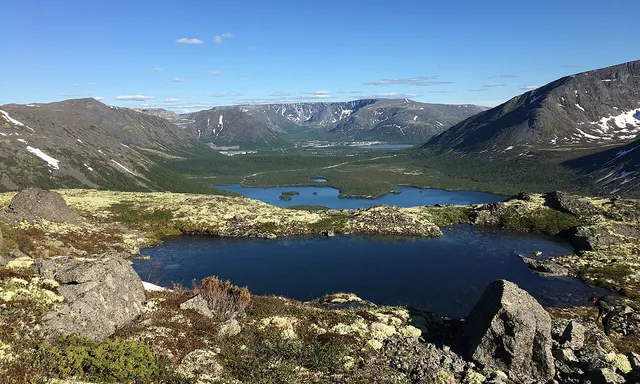
The watershed between the White and Barents seas crosses the reserve’s lake systems and mountain ranges. Its shores reach Lake Imandra, while the Chunatundra range runs almost 40 kilometres from north to south, rising to 1,114 metres. Forests of Fries’ pine and Siberian spruce cover the lower ground; trees in the old-growth forest can be 400–600 years old and reach 15 metres. Higher up, forest gives way to mountain tundra: reindeer lichens and low shrubs grow in hollows, while exposed rock and patches of lichen mark the uplands. The lakes have winding shorelines, and the fast-flowing Chuna has its entire basin within the reserve.
Read more
The reserve was established in 1930 chiefly to protect wild reindeer and the natural landscape of the Kola Peninsula. It was closed in 1951 and later restored; from 1961 to 1965 it was a branch of Kandalaksha Nature Reserve. In 1983, 129,577 hectares were added in the west to compensate for an eastern tract of taiga destroyed by atmospheric emissions from the Severonickel plant. The change linked the reserve’s conservation history directly to the effects of industrial pollution. In 1985, it joined UNESCO’s World Network of Biosphere Reserves.
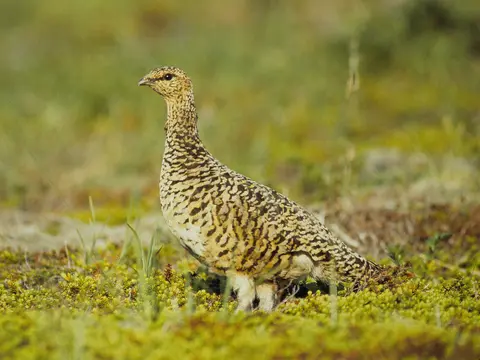
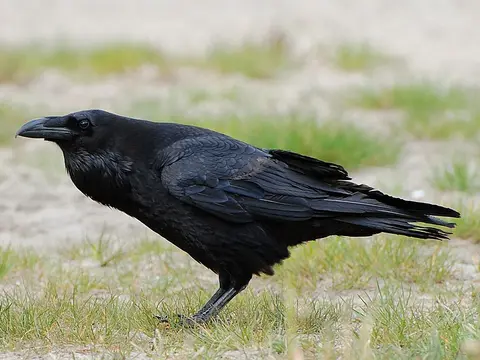
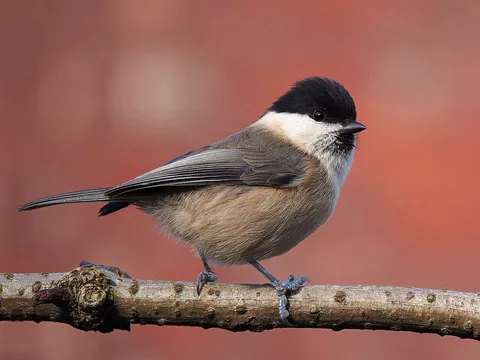
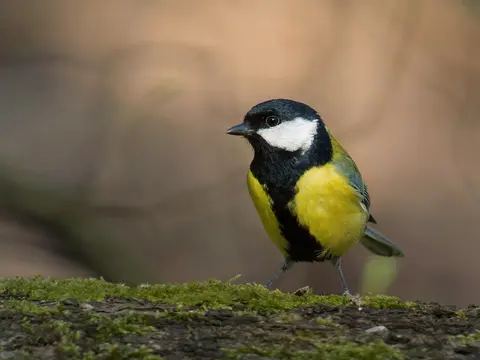
Rock ptarmigan live in the mountain tundra, and accounts of the reserve describe them allowing people to approach to almost arm’s length. Whooper swans and bean geese nest on the lakes, and nest boxes are built for common goldeneyes. More than half of the birds that nest in the reserve are migratory, including red-throated and black-throated divers and Arctic terns; some species travel south for winter as far as southern Africa and Antarctica. Birds recorded nearby include great tit, Bohemian waxwing, redpoll, Eurasian siskin and willow tit.
When there are more birds
October — 10 species
- Winter
- Spring
- Summer
- Autumn
Getting there
Directions on the map you prefer