Wagtails and pipits · Perching birds
Citrine Wagtail
Link copied.
Motacilla citreola
Link copied.
Voice
Call
Call
Call
How to recognize it
-
Body length 15.5–17 cm
-
Slender shape, long tail constantly wagging
-
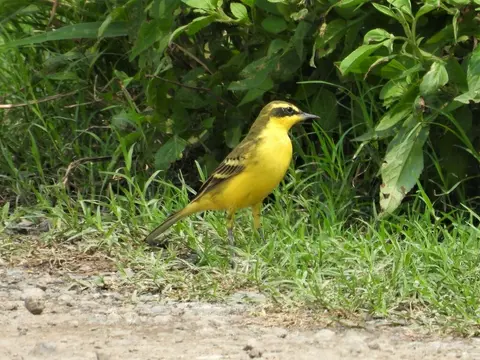
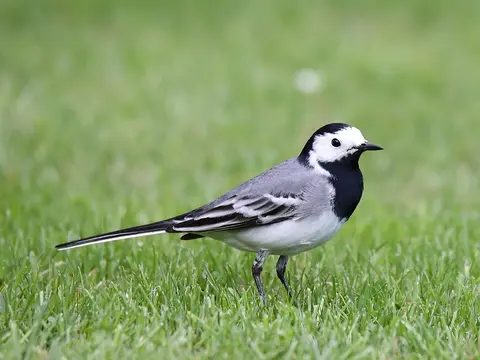
Adult male in breeding plumage: grey or black back, white wing patches, bright yellow underparts and head except for the black nape
-
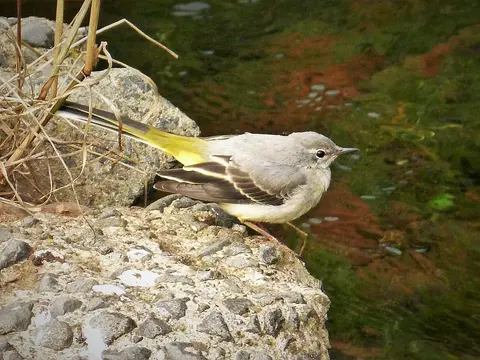
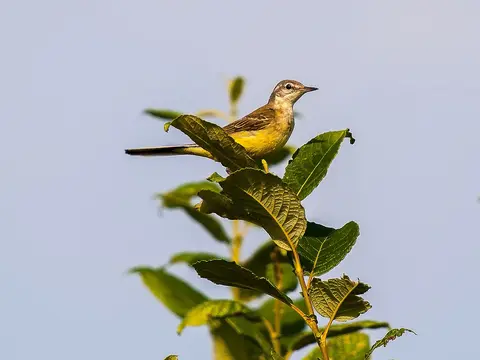
In winter, underparts may be pale yellow mixed with white; brownish head with a yellowish eyebrow; females paler than winter-plumaged males
About the species
In breeding plumage, the male is bright yellow below and across the head, with a grey or black back. A black nape breaks up the yellow, and white on the flight feathers shows when the wings open. In winter, the head becomes brownish with a yellow eyebrow, while the yellow underparts fade toward white. Females are generally more muted, resembling males in winter plumage.
Its long tail wags almost constantly. It nests on the ground, laying four or five speckled eggs.
It breeds in wet meadows and tundra, and feeds in open country near water, including bogs. In winter it migrates to South Asia, often to highland areas.
Where to find
-
On wet meadows beside water during the breeding season, look for the Citrine Wagtail feeding on insects in the open.
-
At a bog edge, watch for insect-feeding on damp, open ground beside water.
-
In Siberian tundra in summer, scan open ground near water for insect foraging.