Gulls and terns · Shorebirds
Slender-billed Gull
Link copied.
Chroicocephalus genei
Link copied.
How to recognize it
-
37–40 cm long
-
Adults with a white head, pale grey body and black wing tips
-
Adults with a long, slender dark red bill and dark red legs
-
Faint pink tint on the breast in summer
About the species
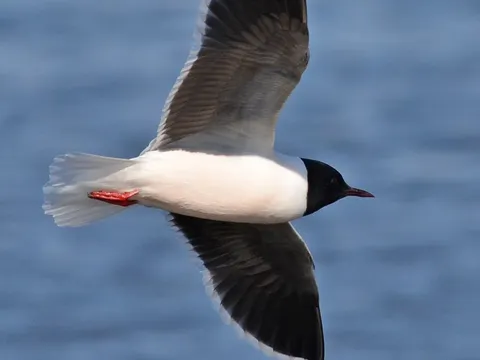
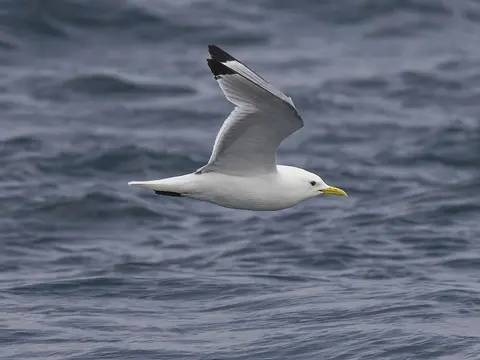
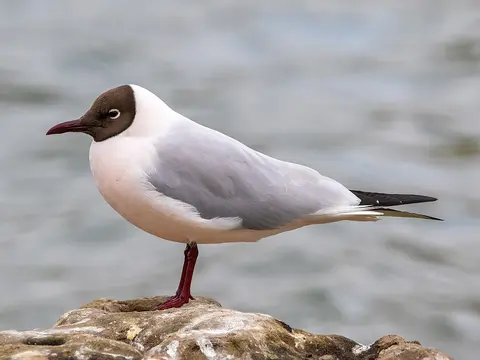
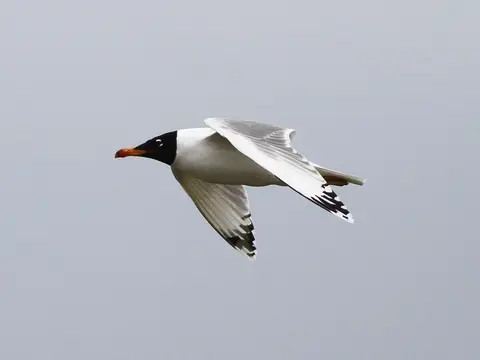
At the water’s edge, its pale grey back and wings sit against a white head and breast, with black tips at the ends of the wings. The long, tapering bill and legs are dark red, and in summer a faint pink wash can show across the breast. Its long neck gives it a distinctly stretched profile.
It skims just above the water, then dives when it spots fish, which make up about half its food. It also probes mud for marine invertebrates and catches insects in flight. In winter, it gathers with others to feed and roost.
It breeds in colonies on islands and around coastal lagoons and lakes, in scattered areas around the Mediterranean and northwestern Indian Ocean. Many move south for winter, gathering along coasts, estuaries and bays as far as North Africa and India; deltas, marshes and grassland are feeding grounds.
Where to find
-
During the breeding season at lagoons around the Mediterranean and the northwestern Indian Ocean, watch for low flights over water followed by dives for fish.
-
In winter at coastal estuaries and bays, look for feeding groups on mudflats probing the mud for marine invertebrates.
-
If a public walking route passes a landfill, look for slender-billed gulls feeding there.