Pheasants and grouse · Gamebirds
Willow Ptarmigan
Link copied.
Lagopus lagopus
Link copied.
Voice
Song
How to recognize it
-
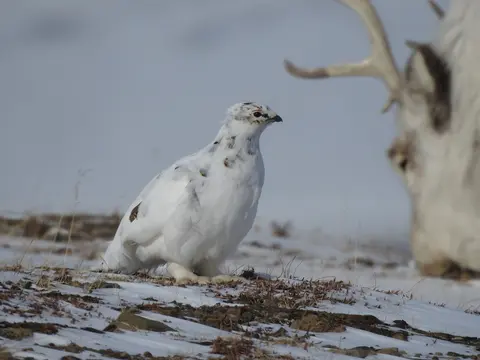
35–44 cm long, stocky body and short tail
-
White in winter, with black outer tail feathers
-
Brown and mottled in summer; male's head and neck turn reddish in spring
-
Stays on the ground and runs quickly; usually takes off only when alarmed
About the species
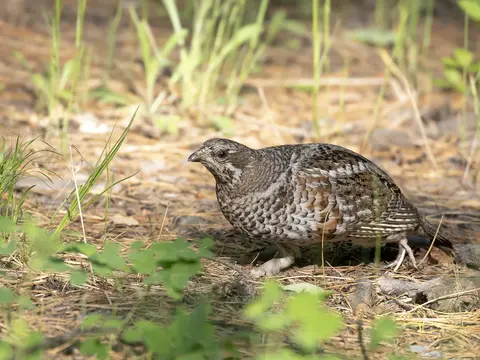
Through the year, the Willow Ptarmigan shifts from mottled brown in summer to mostly white in winter, with black feathers at the outer tail. Its wings stay white in every season, and feathers cover its feet. In spring, the male’s rusty-brown head and neck contrast with his white body, while the red combs above his eyes grow brighter.
It spends most of its time on the ground, running quickly and taking flight only when pressed; its mottled summer plumage helps it stay hidden among low plants. Its low calls include repeated "cluck-cluck" notes and chuckles, while displaying males add rattles and barks in spring. In winter, it can spend much of the day in sheltered chambers beneath the snow.
Willow and dwarf birch thickets, open tundra, moorland and sparse northern forests provide cover and food. In summer it eats leaves, flowers, seeds and berries; in winter it turns to willow and other shrubs’ buds and twigs. Northern populations move south for winter, while populations farther south may stay in place.
Where to find
-
In open, hummocky tundra beside willow thickets, look for a Willow Ptarmigan feeding on the ground and moving quickly across it.
-
In open tundra in spring, listen for the male's guttural courtship calls and watch his display flight.
-
In northern wooded valleys in winter, where females and young may move to lower ground, look for feeding on willow buds and shoots.