Buntings · Perching birds
Yellowhammer
Link copied.
Emberiza citrinella
Link copied.
Voice
Call
Song
Call
How to recognize it
-
Sparrow-sized, with a longer tail
-
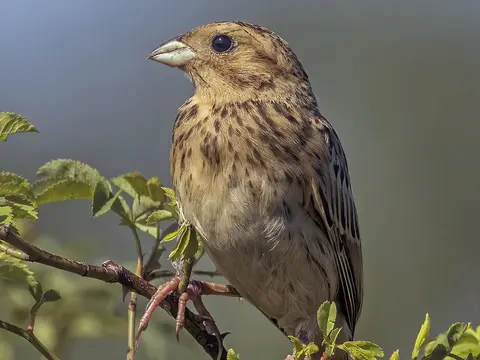
Breeding male: yellow head and underparts, dark-streaked back
-
Singing male perched atop a tree or bush
About the species
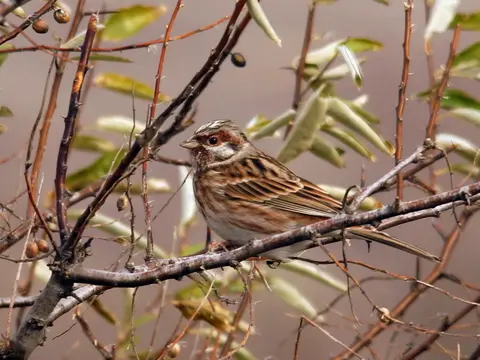
The male is bright yellow on the head and underside, with a streaked brown back and a chestnut patch above the tail. Females and young are duller, with more streaking across the head and body. Pale outer tail feathers show when it takes off.
From the top of a bush or tree, a male sings a run of short notes that grows louder before one or two longer ones: "A little bit of bread and no cheese." Outside the breeding season, yellowhammers feed on the ground in small flocks, sometimes alongside finches and other buntings. The call is a sharp "zit."
Look for it in dry, open country with scattered shrubs or trees, from field edges and hedgerows to woodland margins. Seeds make up most of its food, including grain; during the breeding season it also takes insects, especially for its chicks. Most European populations stay in the same broad area through winter, while those farther east partly move south.
Where to find
-
Where Yellowhammers nest in a city, watch quiet embankments and ditch banks in spring for adults feeding chicks in low grass.
-
On settlement edges in winter, scan harvested fields and vegetable plots for ground-feeding flocks picking up seeds and grain.
-
Along rural hedgerows and woodland edges during the breeding season, listen for males singing from a tree or bush.