Anapskie plavni
Link copied.
- Species
- ≈ 106 species Source, Species: Community observations: eBird and GBIF
- Best time
- January Source, Best time: Months with the most species, across all years of observations
- ≈ 106 species Source, Species: Community observations: eBird and GBIF
- January Source, Best time: Months with the most species, across all years of observations
Birds year-round
All birds
All year
Within 10 km



About the wetland
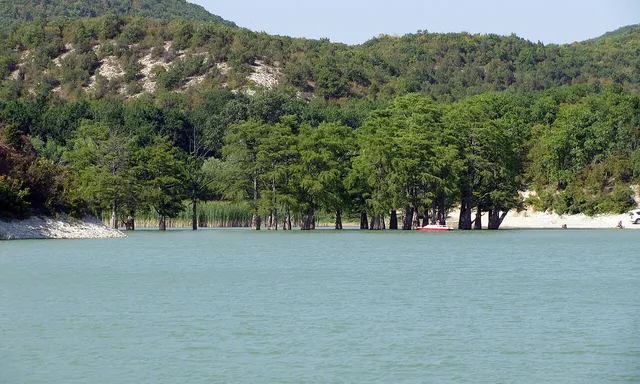
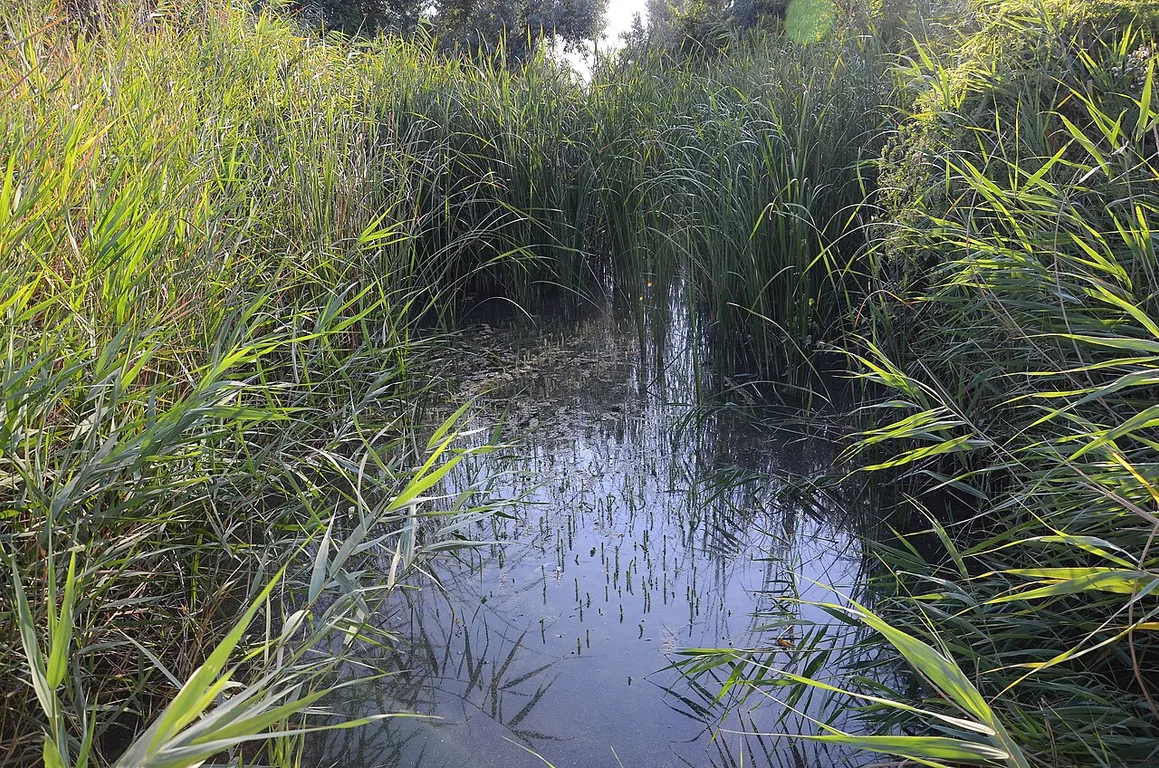
North of modern Anapa, Anapskie plavni occupy the silted remains of Anapa Bay. Their shallow fresh water is thick with sedge, reeds and bur-reed; in summer, plankton, small crustaceans, worms and molluscs multiply there, providing food for waterfowl. The small Anapka stream links the wetlands with the Black Sea and allows water to pass between them. At the north-western edge, a dam separates Chemburskoye Lake, which fills with rainwater in autumn and winter; a road runs along the dam.
Read more
Until the end of the 17th century, travellers’ accounts describe water where the wetlands now lie. Anapa Bay supported trade at the ancient city of Gorgippia and remained in use during the medieval period; the remains of ships have been found on the wetland floor. Deposits carried by the Kuban River gradually silted up the bay’s northern section, while alluvial fans from the small rivers Maskaga and Kumatyr accelerated the process from the south and east. By the beginning of the 19th century, the area had become a lagoon. As Anapa grew, most of the bay was drained, leaving the small Anapa Bay and an inland wetland covering about 1,200–1,300 hectares.
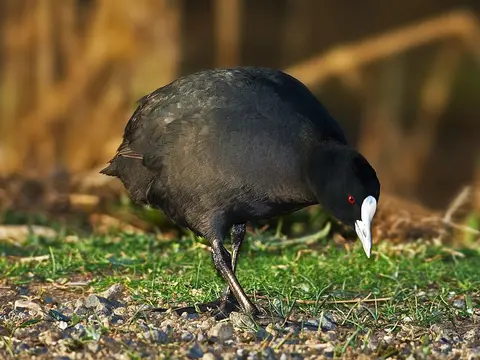
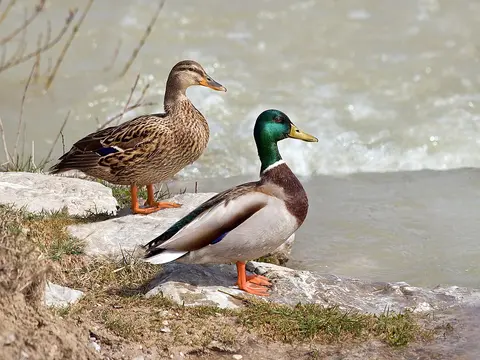
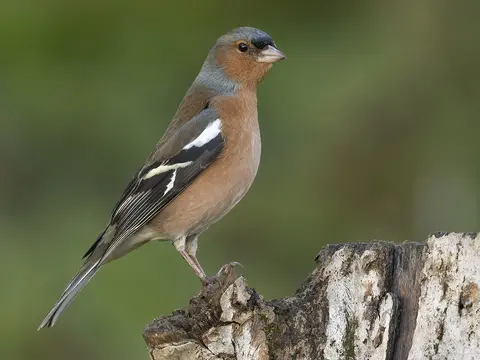
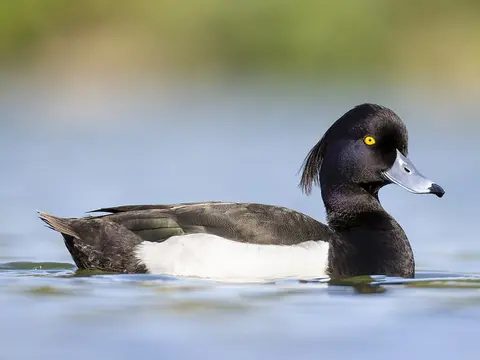
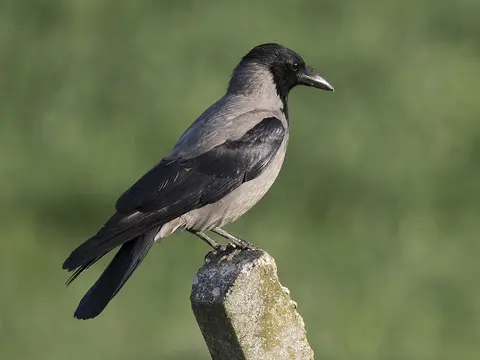
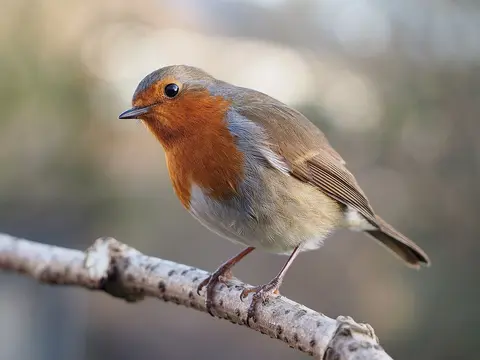
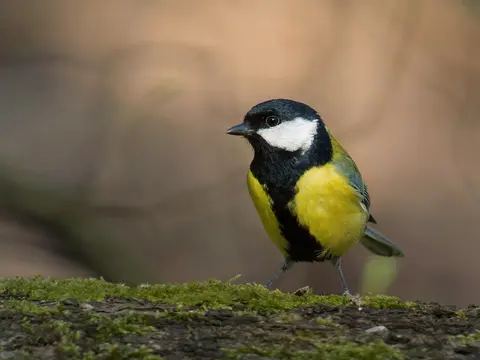
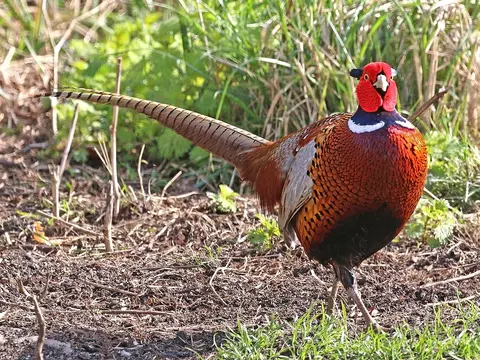
Anapskie plavni are a nesting ground for many migratory waterfowl. Birds recorded nearby include the mallard, black-headed gull and mute swan.
When there are more birds
Pick a month to see its birds
- Winter
- Spring
- Summer
- Autumn
Getting there
Directions on the map you prefer