Vityazevskiy Liman
Link copied.
- Species
- ≈ 144 species Source, Species: Community observations: eBird and GBIF
- Best time
- January Source, Best time: Months with the most species, across all years of observations
- ≈ 144 species Source, Species: Community observations: eBird and GBIF
- January Source, Best time: Months with the most species, across all years of observations
Birds year-round
All birds
All year





About the lake
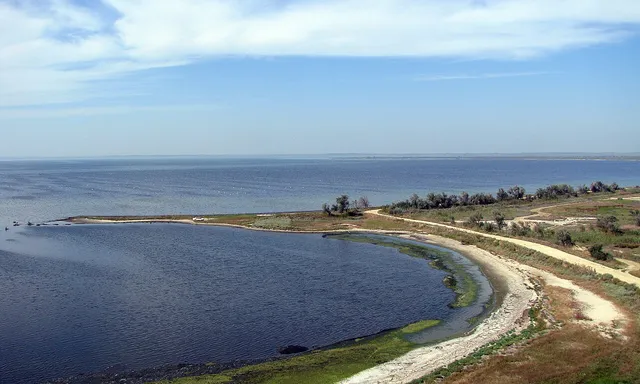
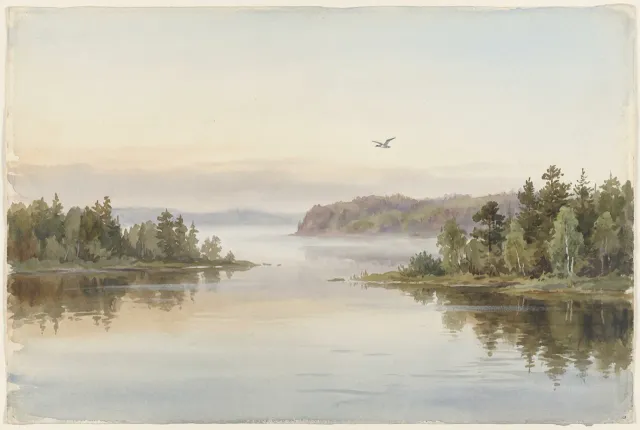
In the ancient delta of the Kuban, Vityazevskiy Liman forms a broad triangle, roughly 16.5 by 13.5 by 7.5 km, with a water surface reaching 64 square kilometres. It is a closed, saline lake with no outflow. Rainfall supplies fresh water; in high-water years, water from the Staraia Kuban channel, known as Cherkessky Erik and a left branch of the Dziga River, enters from the north. The modest Gostagayka River flows in from the east. Anapa Spit separates the liman from the Black Sea, though salty seawater seeps through the spit’s base and can spill over it during storm surges. Soft, pliable mud covers the bed; it smells of hydrogen sulphide and is a source of therapeutic mud.
Read more
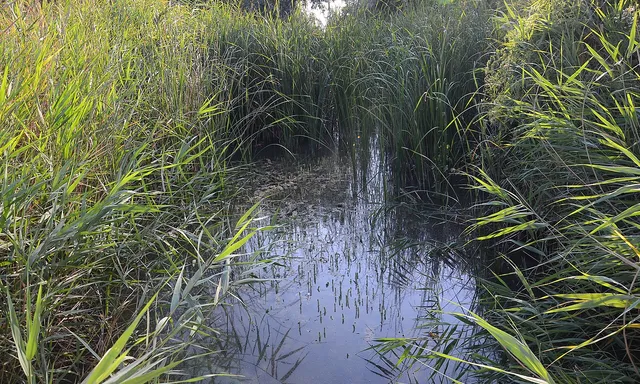
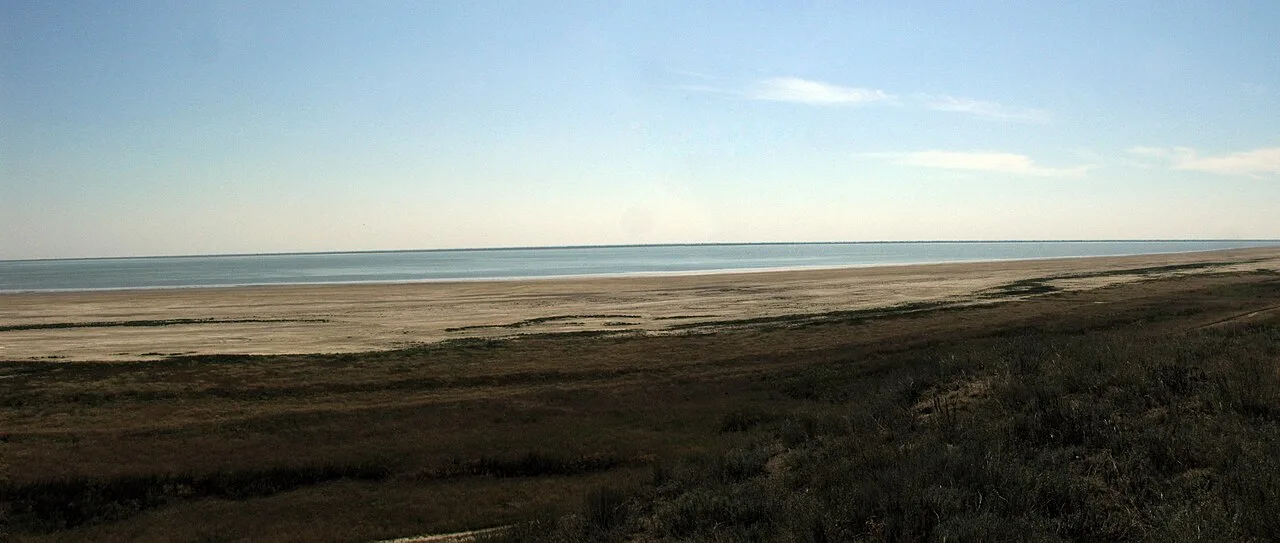
The liman lies 18 km north of Anapa and is the southernmost of the Black Sea–Azov limans on the Taman Peninsula. Until the 1990s, two breaches in Blagoveshchenskaya Spit allowed seawater to enter regularly and marine fish to pass into the lake. Both breaches are now closed. The liman is slowly drying, becoming marshy and overgrown with reeds, while its shoreline retreats from Vityazevo; streets are already being laid across the former lake bed. The retreat of the water has also changed the local microclimate: the cool air that once blew from the liman has given way to oppressive heat.
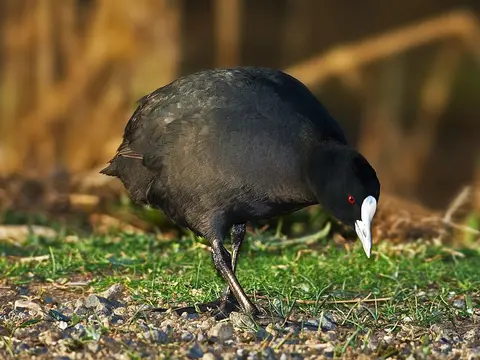
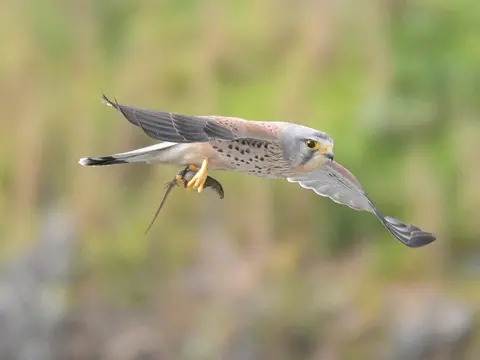
Eurasian kestrels, western marsh harriers and gray herons have been recorded nearby.
When there are more birds
Pick a month to see its birds
- Winter
- Spring
- Summer
- Autumn
Getting there
Directions on the map you prefer