Birds of Duderhof Heights
Link copied.
Rarely recorded


- Species
- ≈ 150 species Source, Species: Community observations: eBird and GBIF
- Best time
- April–June Source, Best time: Months with the most species, across all years of observations
- ≈ 150 species Source, Species: Community observations: eBird and GBIF
- April–June Source, Best time: Months with the most species, across all years of observations
Birds in October
All birds
October





About the park
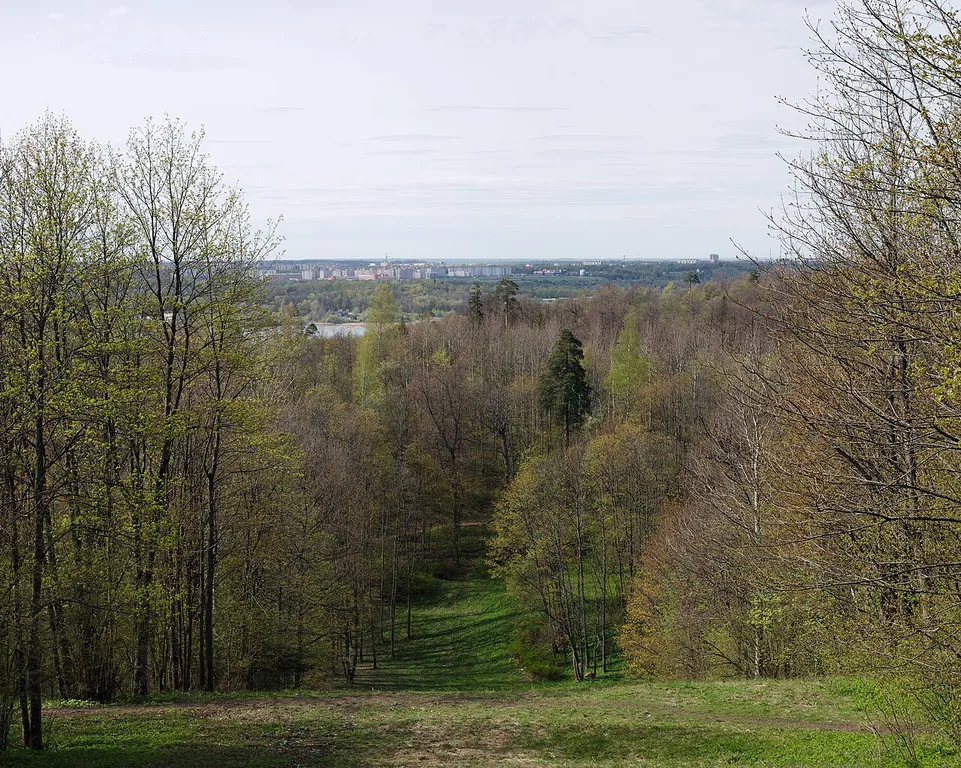
Orekhovaya Hill, at 176 m, is the highest point in Saint Petersburg; nearby Voronya Hill rises to 147 m. The Duderhof Heights form two wooded ridges with steep slopes and flattened, gently undulating summits. A deep, narrow hollow separates the ridges, while a broad valley lies to the west. Duderhof Lake sits at the foot of the heights in this valley, and the Dudergofka River flows from it towards the Gulf of Finland. Shorter hollows cut across Voronya Hill; one broadens into Teatralnaya Valley, which contains a pond. Maples, ash, lime and hazel grow in the woodland. Snow lies longer on the northern slopes, while the southern slopes and sheltered valleys have a longer frost-free period.
Read more
The geology beneath the heights is unusual: Cambrian clays and Ordovician rocks lie under Quaternary deposits, and the rock layers tilt by as much as 70° in places. The Quaternary deposits reach 65–80 m in thickness, whereas on the Izhora Plateau they usually amount to no more than a few metres. Clay- and loam-rich slopes are subject to erosion and landslides. In the first half of the 19th century, a landscape park was laid out on Orekhovaya Hill, adding broad-leaved trees to the natural woodland. An old oak stump that was already there during events of the 1720s is evidence that oak may have grown here before the park was established. During the Siege of Leningrad, from 1941 to 1944, the front ran through the heights, and German artillery positions were located on Voronya Hill. The park’s planted woodland was almost completely destroyed; broad-leaved trees and hazel later grew back to form secondary woodland.
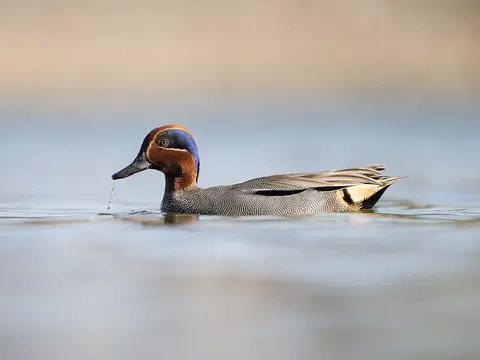
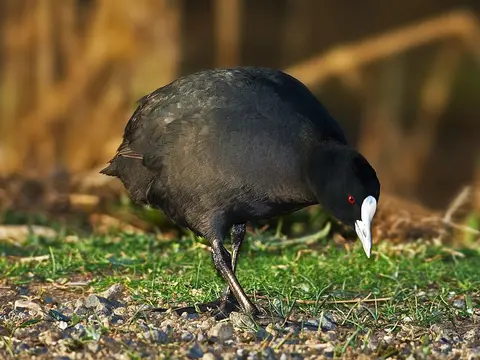
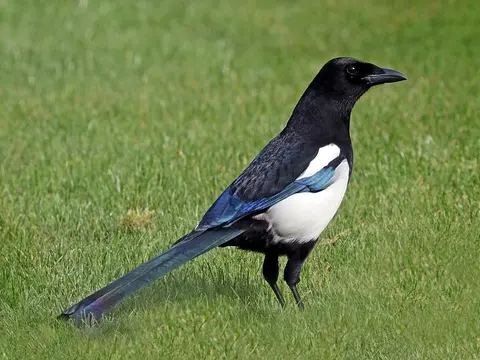
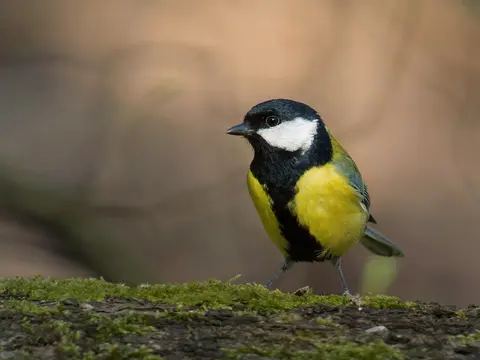
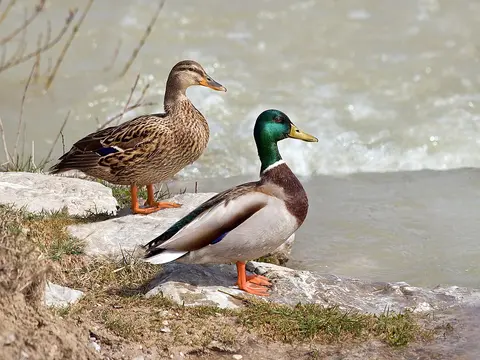
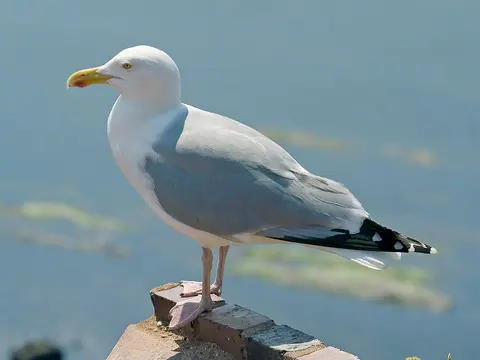
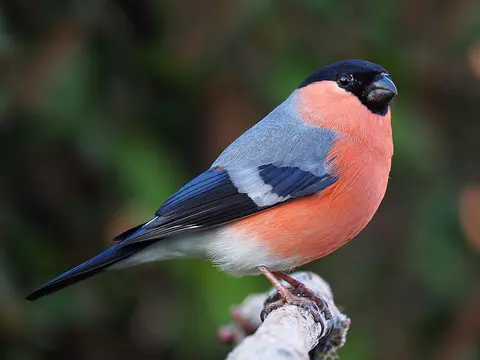
Birds recorded nearby include the European herring gull, Eurasian coot, gadwall, tufted duck and black-headed gull.
When there are more birds
October — 74 species
- Winter
- Spring
- Summer
- Autumn
Getting there
Directions on the map you prefer


