Birds of Alexander Park
Link copied.
Rarely recorded
- Species
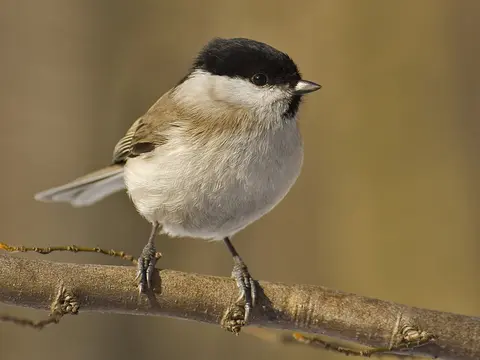
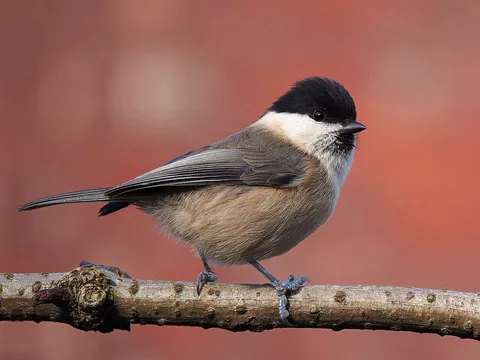
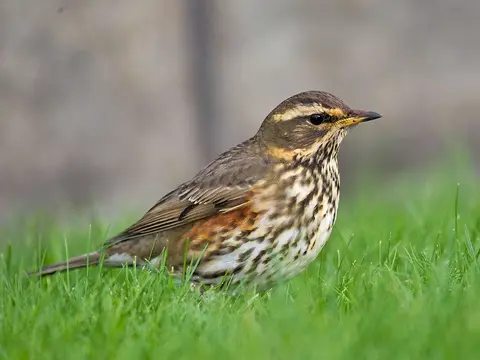
- ≈ 109 species Source, Species: Community observations: eBird and GBIF
- Best time
- March–July Source, Best time: Months with the most species, across all years of observations
- ≈ 109 species Source, Species: Community observations: eBird and GBIF
- March–July Source, Best time: Months with the most species, across all years of observations
Birds in October
All birds
October



About the park
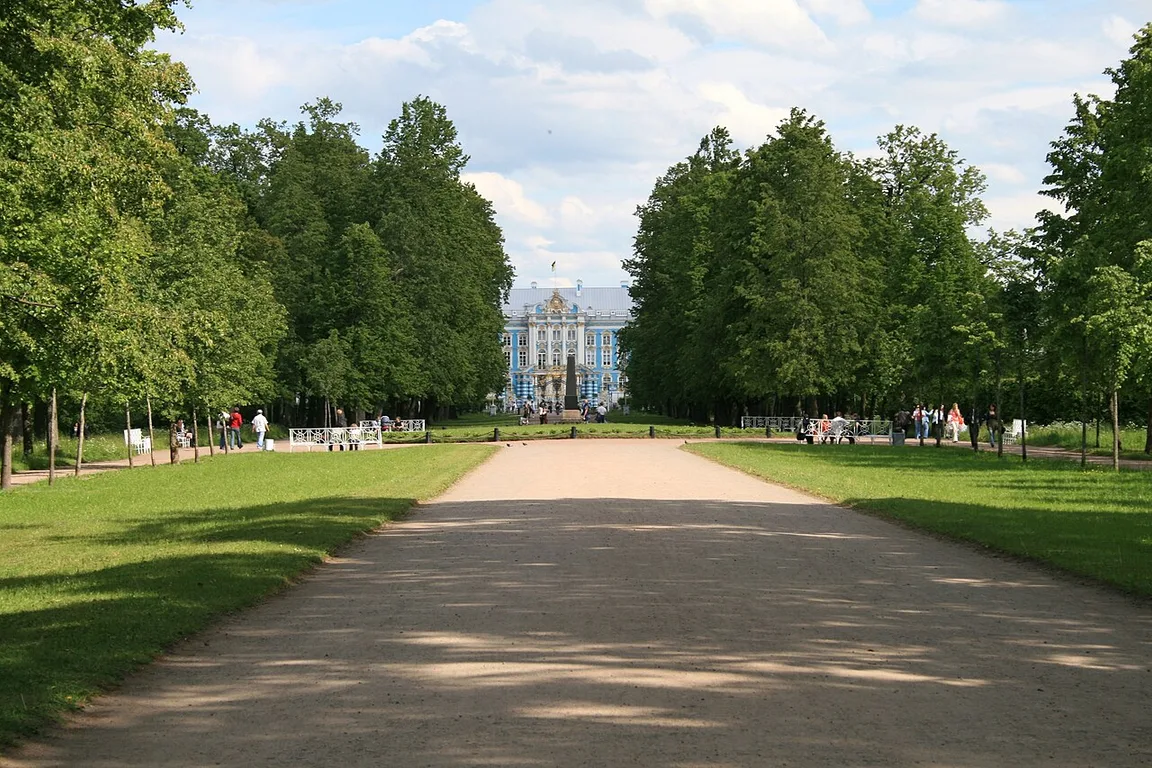
The Cross Canal encloses the New Garden on all four sides, while a broad lime avenue and a crossing clearing divide it into four squares. One square contains ornamental ponds with small peninsulas; another rises to the artificial hill of Parnassus, reached by a winding, tree-lined path. In the landscape section, paths run through the natural woodland of the former Menagerie, among three ponds and artificial hills. Here the straight avenues and canal boundaries give way to a looser pattern of woodland and water. The park lies on the slope of the Baltic-Ladoga Escarpment, about 65 metres above sea level, and its present relief was formed by glaciation.
Read more
Water was initially so scarce at the royal residence that, in the first decades of the eighteenth century, it had to be brought from Saint Petersburg; the area had no natural rivers or lakes. In the 1720s a dam was built on the Kuzminka, creating a large pond that became the starting point for the park’s landscape section. In 1749 the Vittolovsky Canal was dug from springs near Bolshoye Vittolovo, whose source lies 9.5 metres above the pond’s level; the canal made it possible to build a system of waterways in the park. In the late eighteenth century, the Taytsy water conduit brought water from springs near Taytsy, 16 kilometres south-west of the residence. Earlier, during the Swedish period, an estate called Sarskaya Manor stood here. Its name is associated with the Finnish Saari mojs, meaning “elevated place”; it later passed through the forms Sarskaya Manor and Saarskoye Selo before becoming Tsarskoye Selo.
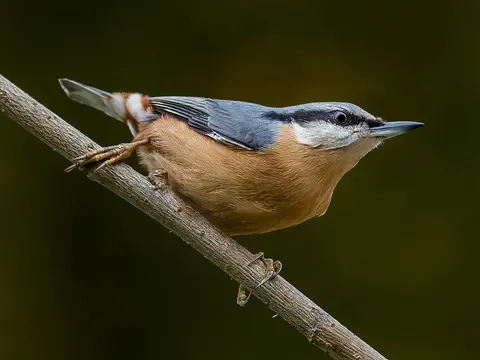
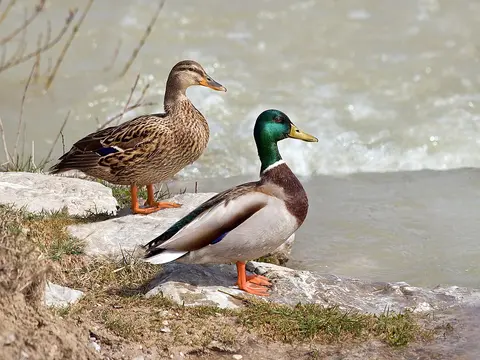
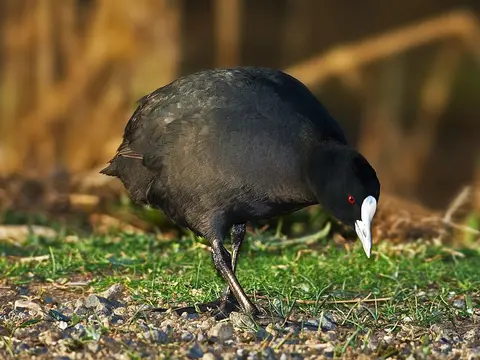
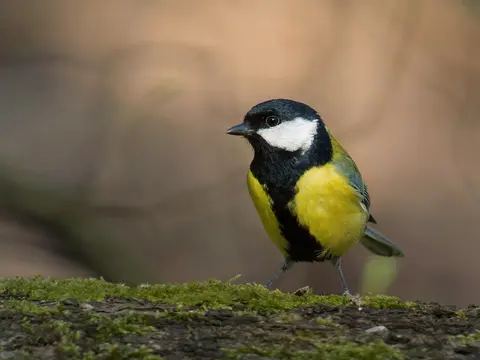
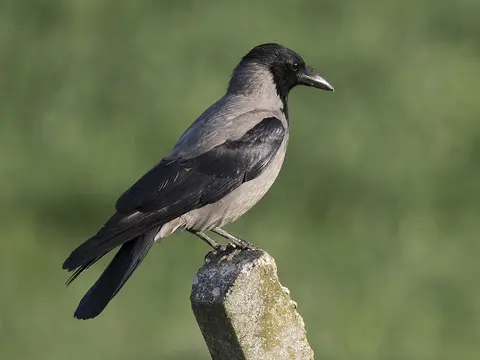
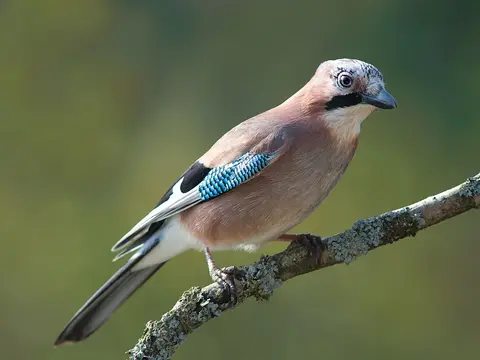
Among the birds recorded nearby are the Eurasian coot, great tit, hooded crow, mallard and Eurasian nuthatch.
When there are more birds
October — 34 species
- Winter
- Spring
- Summer
- Autumn
Getting there
Directions on the map you prefer


