Birds of Dvorcoviy park
Link copied.
Rarely recorded

- Species
- ≈ 104 species Source, Species: Community observations: eBird and GBIF
- Best time
- May–June Source, Best time: Months with the most species, across all years of observations
- ≈ 104 species Source, Species: Community observations: eBird and GBIF
- May–June Source, Best time: Months with the most species, across all years of observations
- 1770 Source, Founded: From Wikidata
Birds in October
All birds
October


About the park
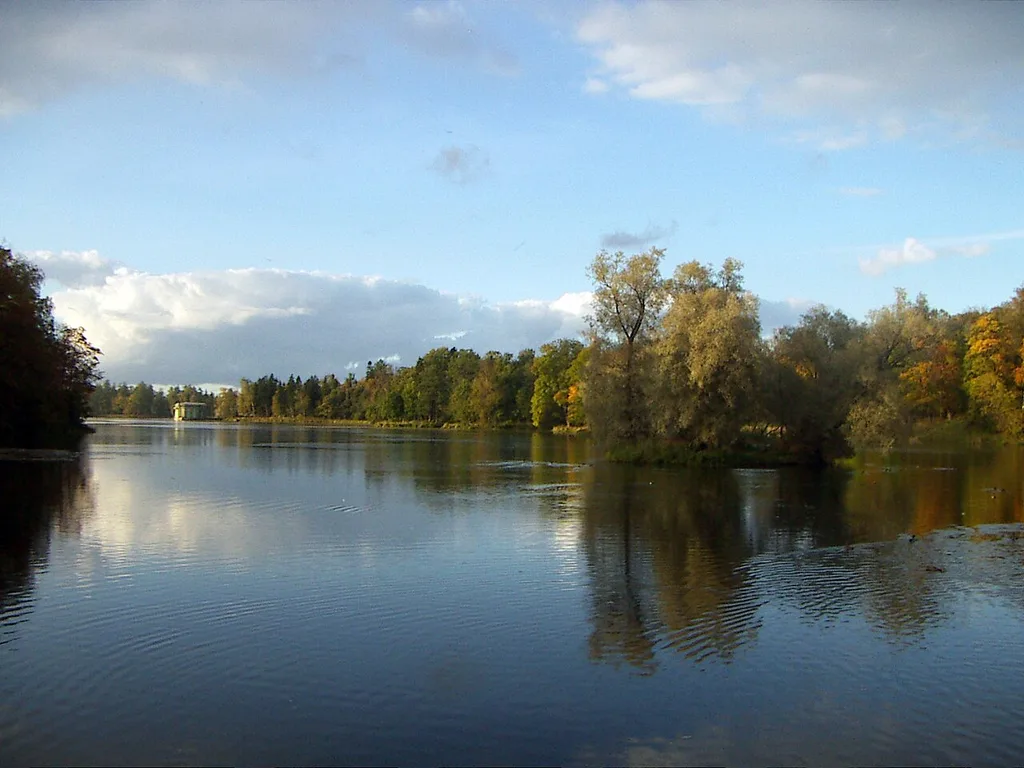
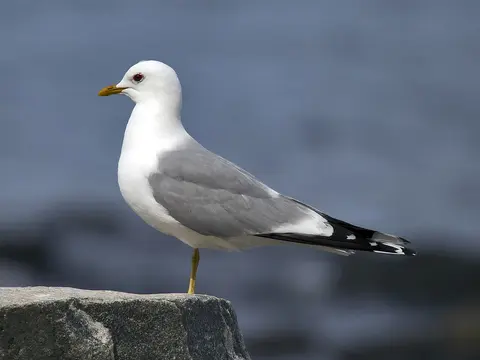
Almost a quarter of Dvorcoviy Park is water: White and Silver lakes, ponds, canals and the channels of small streams. White Lake forms the centre of the park, with the elongated Long Island chain of three islands and a peninsula crossed by Zakharov Island. At the eastern shore, four artificial islands divide a deep inlet of the Water Labyrinth; the channels between them are 7–12 metres wide. The curving shoreline and tiered ground offer views across the lake from different levels. Before the palace, an old oak stands on a broad meadow that slopes down towards Silver Lake. The meadow gives way to planted banks and woodland, while paths run beside the water and through the park’s interior.
Read more
Dvorcoviy Park took shape as fashion turned from formal gardens towards the English landscape style, designed to imitate natural scenery. In 1765, Catherine II acquired the Gatchina manor and gave it to Grigory Orlov; in the 1770s, the garden master John Bush directed work around White Lake. The original woodland was altered, the lakes deepened and enlarged, and paths and islands were created. Under Paul I, formal gardens including the Botanical and Dutch gardens were added beside the landscape park in the 1790s, becoming part of the ensemble without disrupting its unity. The scale of the planting is clear from a 1794 order for one contractor to plant 16,500 lime trees. During the occupation of 1941–1944, many trees were lost, bridges were blown up and the Forest Orangery burned. About 6,000 trees were planted in the first four post-war years.
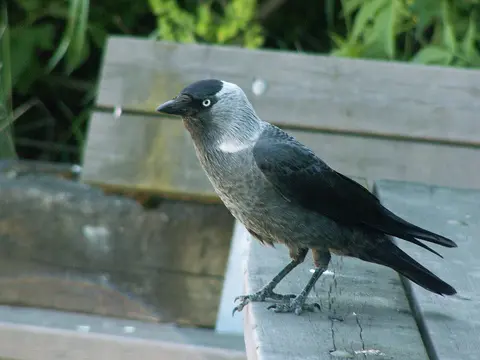
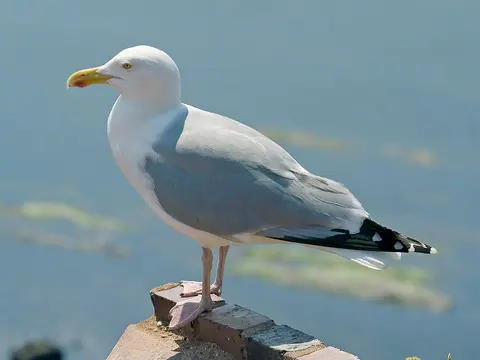
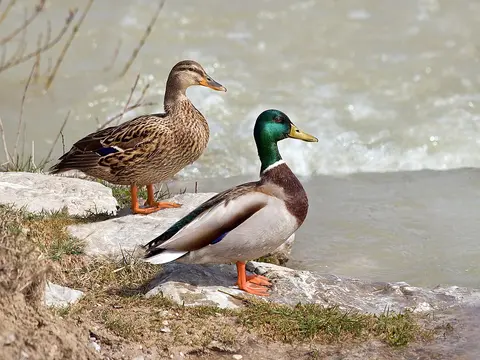
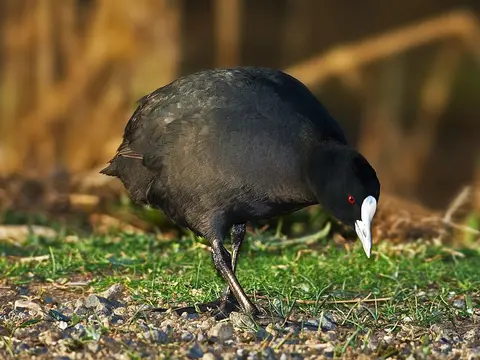
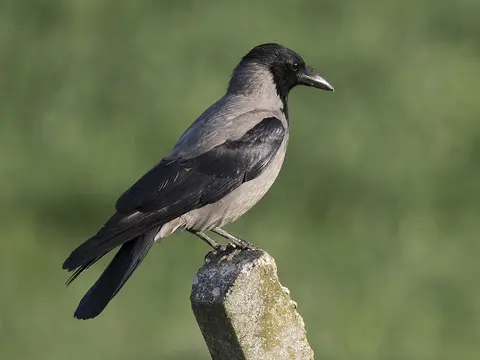
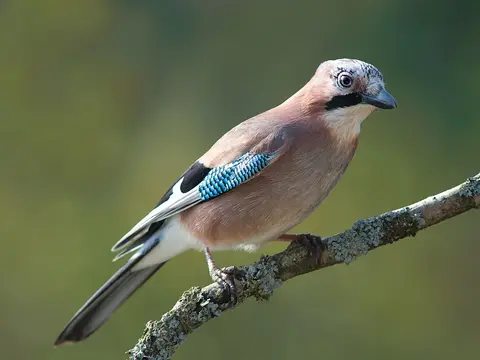
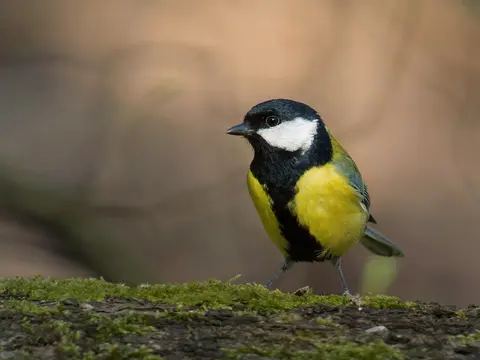
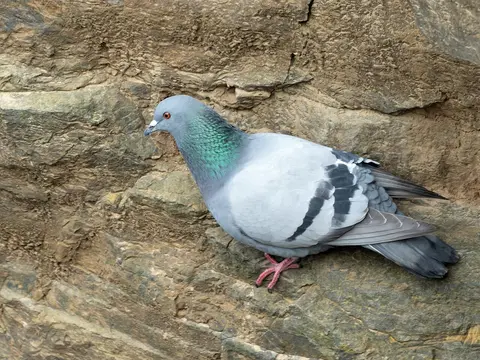
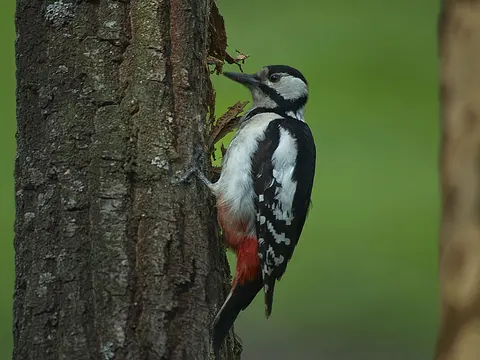
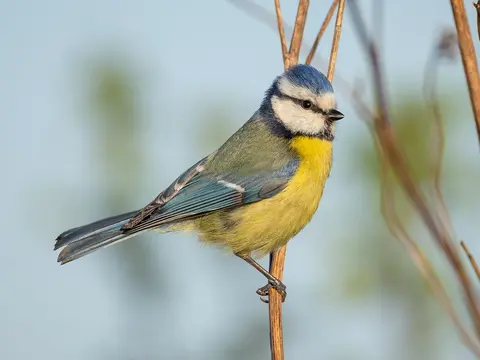
Birds recorded nearby include the European herring gull, mallard, Eurasian coot, rock pigeon and Eurasian jackdaw.
When there are more birds
October — 29 species
- Winter
- Spring
- Summer
- Autumn
Getting there
Directions on the map you prefer


