Plovers · Shorebirds
Little Ringed Plover
Link copied.
Thinornis dubius
Link copied.
How to recognize it
-
Smaller than a pigeon
-
Adults: grey-brown back, white forehead and underside
-
Black eye mask with a yellow ring
-
Black band across the white breast
About the species
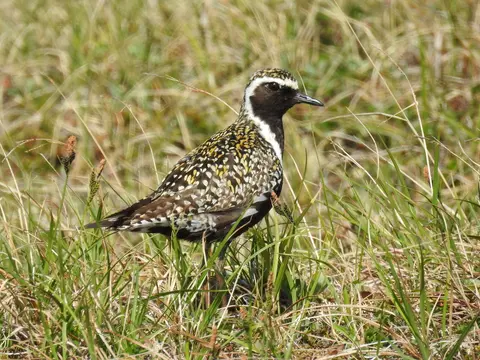
Brown covers the back, wings, and cap, set off by a white forehead, breast, and belly. A black band crosses the chest, while a dark mask around each eye is edged by a clear yellow ring. The short dark bill and pale, flesh-colored legs complete the contrasting pattern.
On muddy patches, it searches by sight for insects and worms, taking food from the ground. During the breeding season, both parents take turns incubating the eggs.
Across the Palearctic, it breeds on open gravel beside freshwater, from river edges and islands to gravel pits. Its ground nest lies among stones where there is little or no plant growth. It migrates to spend winter in Africa.
Where to find
-
Along muddy river edges, look for the Little Ringed Plover searching by sight for insects and worms.
-
During breeding season at freshwater gravel pits, scan the bare ground: nests lie on stones with little or no vegetation.
-
On gravel islands by freshwater during breeding, watch for adults taking turns incubating eggs.