Reed warblers · Perching birds
Moustached Warbler
Link copied.
Acrocephalus melanopogon
Link copied.
Voice
Song
How to recognize it
-
12–13 cm long
-
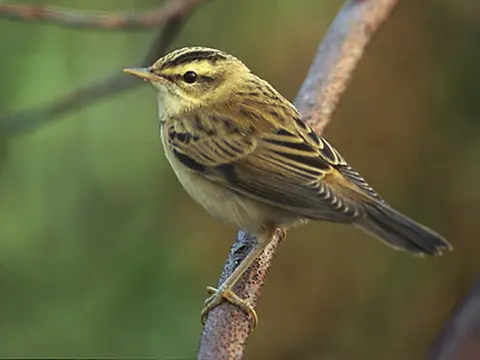
Brown back with fine streaks, white underparts
-
Pale stripe over the eye, gray patches by the ears
-
Among upright stands of reeds and sedges
About the species
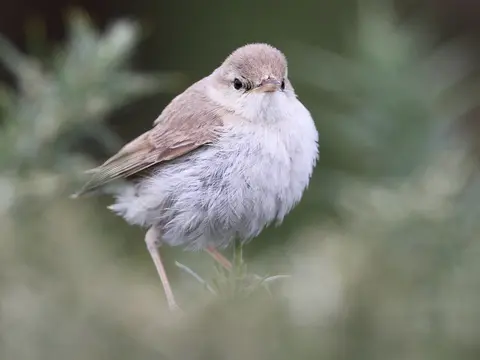
Among reeds, the Moustached Warbler has a brown back finely streaked with darker lines and pale underparts. A whitish stripe runs above the eye, while grey patches mark the sides of its head. Its forehead is flat, and its pointed bill is strong. Juveniles have heavier streaking, including marks across the breast.
Its song is quick, with changing phrases, whistles and imitated notes. Some phrases recall a nightingale, and the song is softer and more melodic than that of related warblers. It does not sing while flying.
It lives among upright reeds and sedges in wetlands, feeding mainly on insects. In southwestern Europe it stays year-round; southeastern European populations winter around the Mediterranean, while those in Asia travel to Arabia, India and Pakistan.
Where to find
-
At wetlands in southern Europe and western Asia, listen for the Moustached Warbler's soft, melodious song from tall reed and sedge beds.
-
In those same beds, watch it search for insects among the stems.
-
From late March to mid-June at European breeding wetlands, watch adults bringing food to their young by the water — the nest hangs among stems about 30–130 cm above it.