Bryansk Forest Nature Reserve
Link copied.
- Species
- ≈ 24 species Source, Species: Community observations: eBird and GBIF
- Best time
- January Source, Best time: Months with the most species, across all years of observations
- ≈ 24 species Source, Species: Community observations: eBird and GBIF
- January Source, Best time: Months with the most species, across all years of observations
- 1987 Source, Founded: From Wikidata
Birds year-round
All birds
All year
Within 10 km
About the park
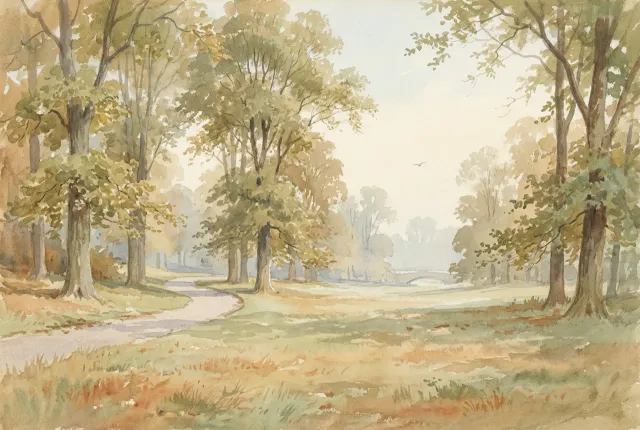
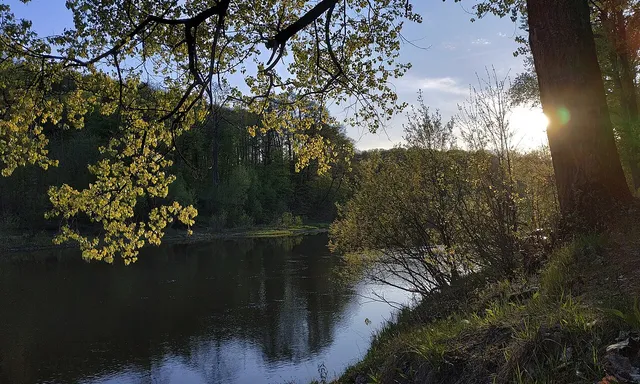
Along the Nerussa, in the middle reaches of the Desna basin, the reserve reaches its lowest elevation at 134.5 metres above sea level; its highest ground is 189.4 metres. The terrain is gently sloping and level, but the soils change between dry ground and river floodplain: sandy and sandy-loam sod-podzolic soils predominate away from the river, while alluvial meadow and lowland bog soils lie in the floodplain. Poor sandy soils support extensive pine and pine-oak forest, with spruce also a notable part of the woodland; broad-leaved and spruce-broad-leaved forests are rare. In the floodplain, woodland gives way to meadows and wet lowlands along the river valley.
Read more
The reserve lies where the Polesie and Central Russian subprovinces of broad-leaved forest meet, close to the southern edge of the subtaiga zone. That position is reflected in its wildlife: the southern limits of some boreal-forest species run through this area. A call to protect the forests around Trubchevsk and Suzemka appeared in print in 1959, when Ivan Debrin advocated creating a protected zone; the idea took a quarter of a century to become reality. In 1983, photographer Igor Shpilenok began publishing essays titled “Notes from the Ranger Station”. Their strong local response, together with his story’s success in a national competition for nature-conservation coverage, helped persuade local leaders to establish the reserve in 1987. In 2001, UNESCO biosphere-reserve status was granted to Nerussa-Desna Polesie, which includes the reserve, its buffer zone and neighbouring protected areas and natural monuments.
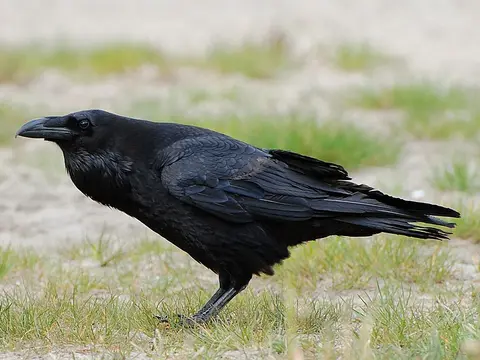
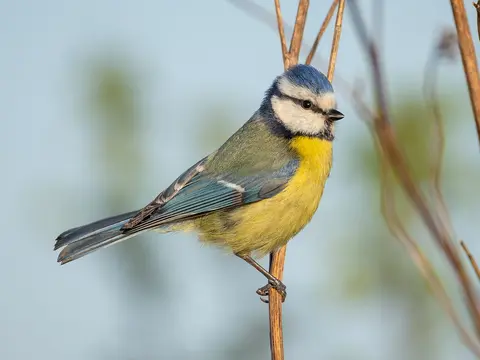
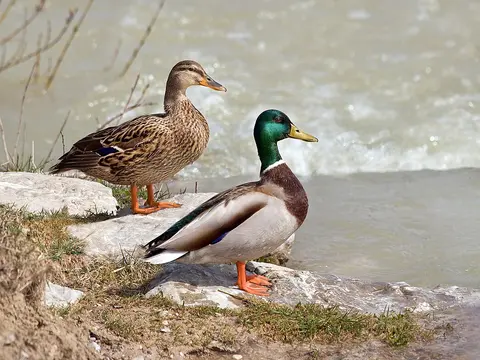
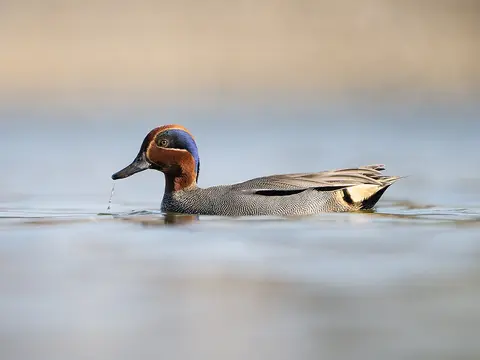
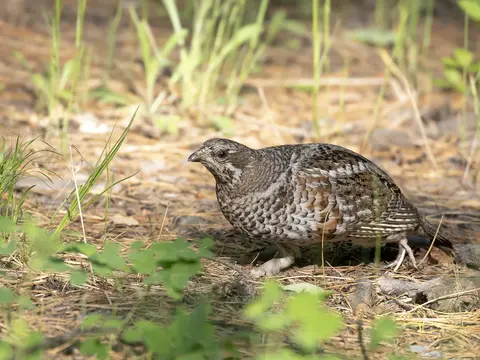
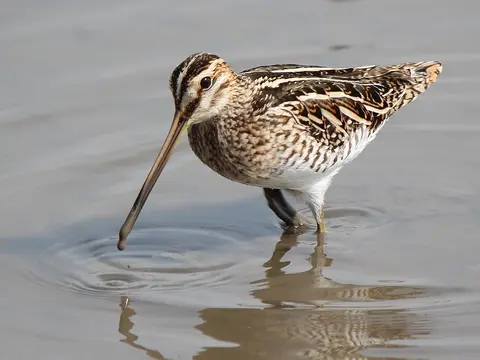
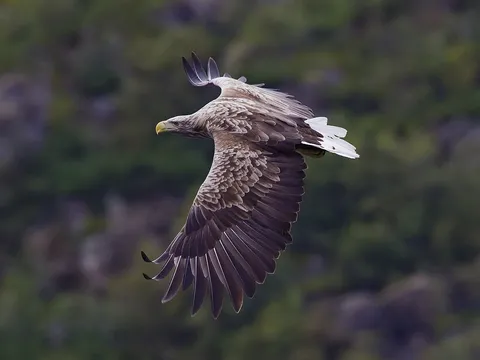
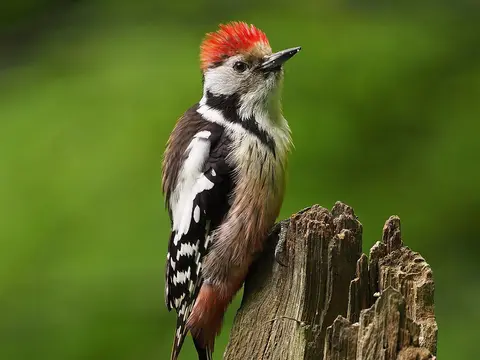
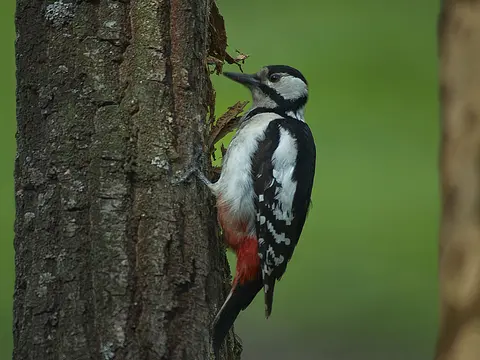
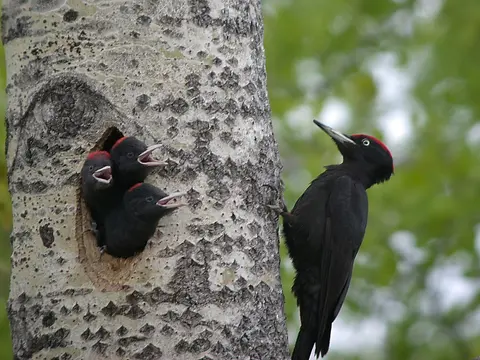
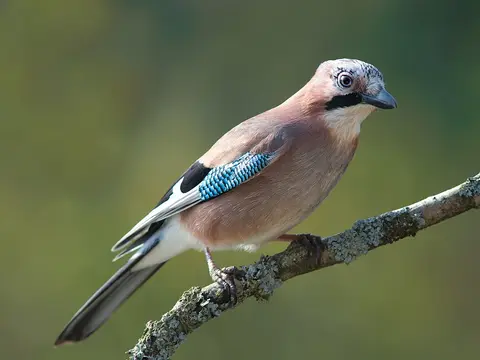
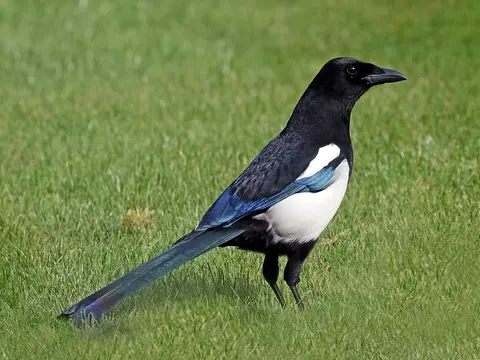
All ten European woodpecker species occur in Bryansk Forest, making it the only place in Europe where they are all found: great spotted, middle spotted, lesser spotted, Syrian, white-backed, grey, green, three-toed and black woodpeckers, and the wryneck. Among the boreal-forest birds whose southern range limits reach this area are the capercaillie and boreal owl. Birds recorded nearby include the common raven, Eurasian blue tit, mallard, green-winged teal and hazel grouse.
When there are more birds
Pick a month to see its birds
- Winter
- Spring
- Summer
- Autumn
Getting there
Directions on the map you prefer