Birds of pamyatnik prirody «Komarovskiy bereg»
Link copied.
Rarely recorded
- Species
- ≈ 63 species Source, Species: Community observations: eBird and GBIF
- Best time
- May–August Source, Best time: Months with the most species, across all years of observations
- ≈ 63 species Source, Species: Community observations: eBird and GBIF
- May–August Source, Best time: Months with the most species, across all years of observations
- 1992 Source, Founded: From Wikidata
Birds in October
All birds
October


About the park
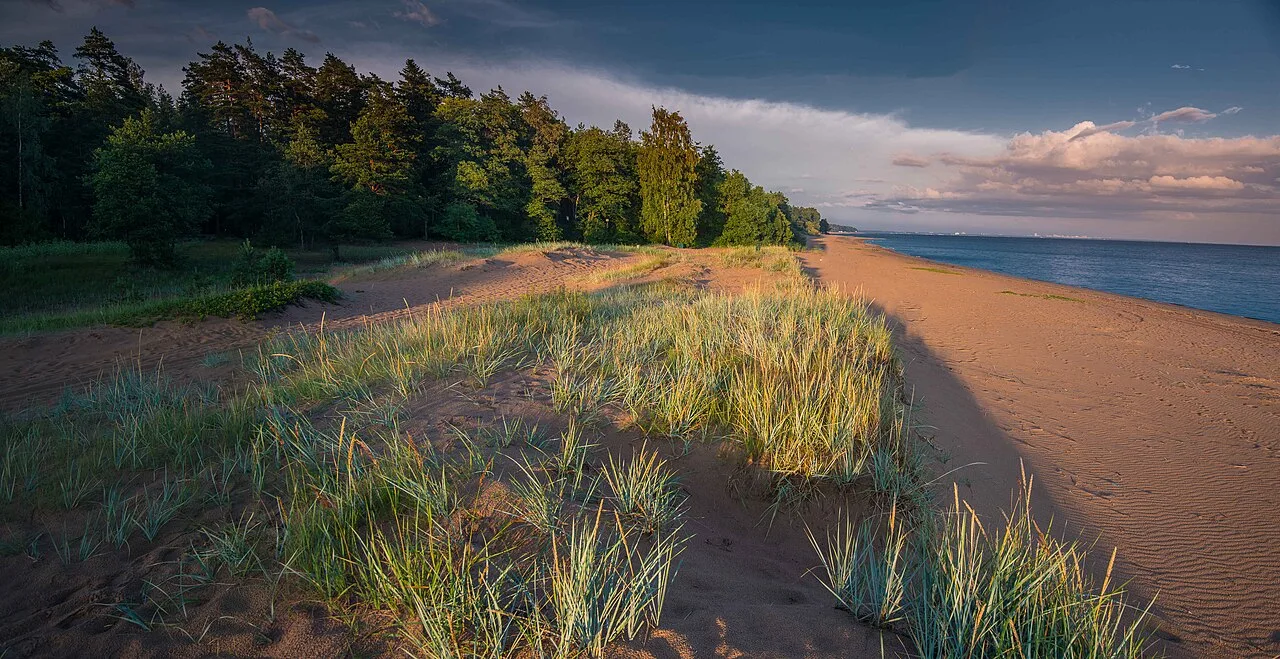
The Gulf of Finland is shallow here, with boulders scattered through the nearshore water and a sandy, sometimes pebbly beach. Coastal ridges and dunes, locally up to five metres high, lead inland to the lower terrace, where sandy hollows can become waterlogged in wet years. Grasses and wild roses grow on the dunes; beyond them are open pine woods and black alder groves, while spruce forest covers much of the site. In the older spruce woods, nests of the northern forest ant can form clusters of several connected anthills. The Litorina escarpment rises above the terrace, cut by ravines up to twelve metres deep. Springs emerge at its foot and feed iron-rich streams.
Read more
The Litorina terrace is the former bed of the Litorina Sea, which occupied the site of the Baltic Sea 5,000–10,000 years ago; the escarpment marks its ancient shore. A map from the late 1850s shows the whole strip between Terijoki and Kuokkala still under forest: conifers covered the upper terrace and escarpment, while black alder groves with spruce predominated below. Settlement around Komarovo accelerated after the St Petersburg–Vyborg railway opened in 1870. St Petersburg residents began buying plots for summer houses, while local people cleared and drained wet ground to create farmland. In the early twentieth century, the park of Villa Reno was laid out within the present nature monument, with four artificial ponds edged in stone across the upper and lower terraces and the slope.
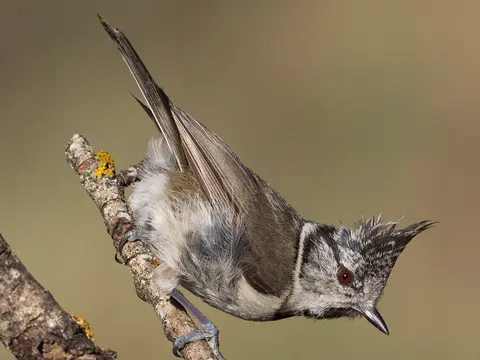
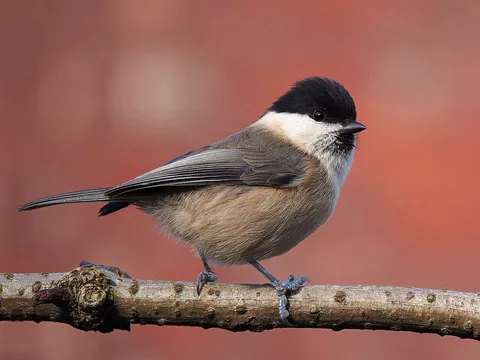
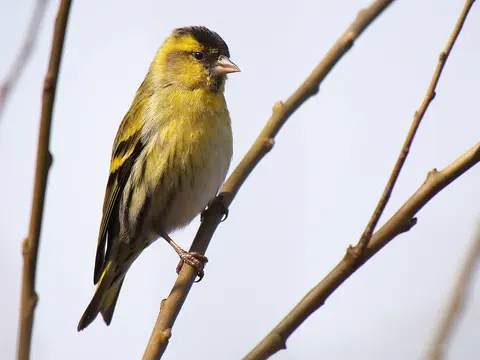
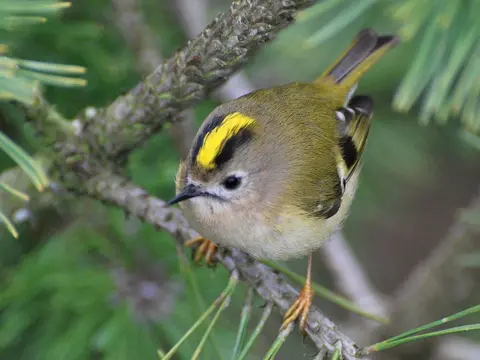
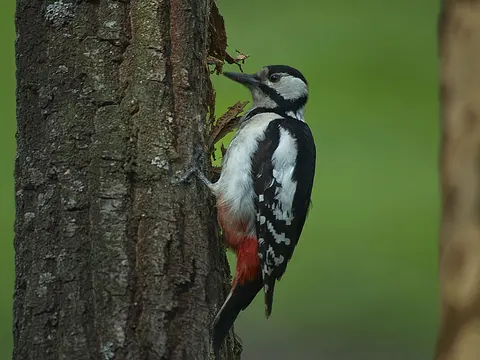
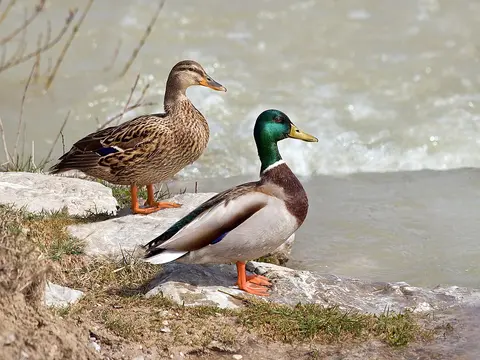
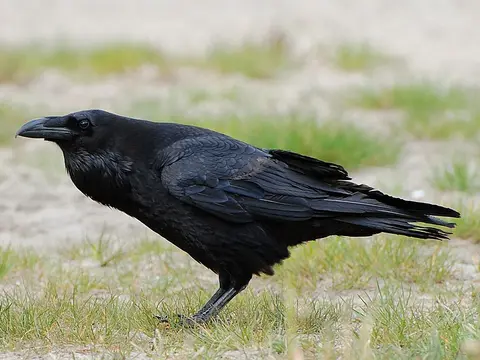
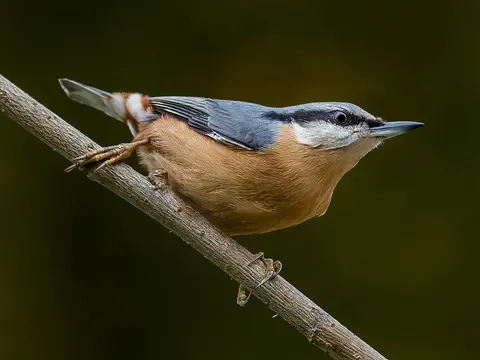
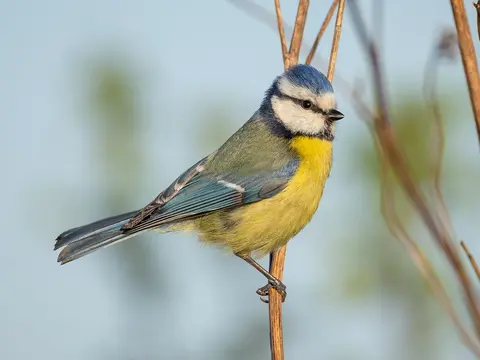
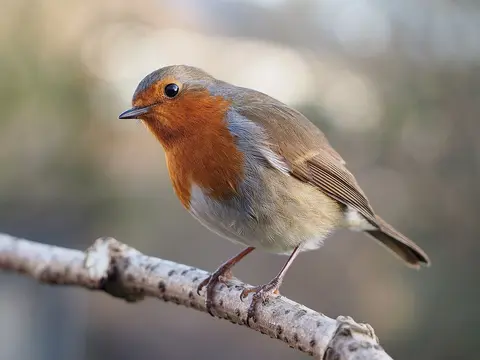
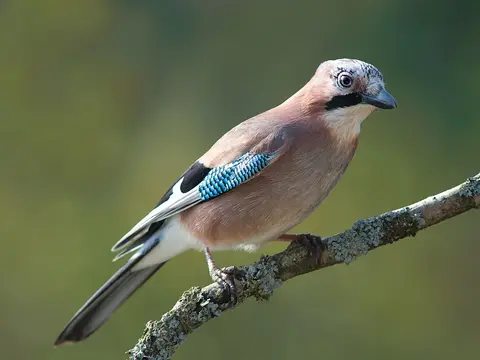
Forest birds predominate here. The mix of spruce, pine and mixed woodland allows birds with different forest preferences to nest close together; species associated with these different forest types can occur within a single hectare. The great spotted woodpecker has been recorded nesting here in different years, while white-backed and three-toed woodpeckers have also been recorded in winter. Of the two open-country species associated with the seashore, the white wagtail is the only one currently nesting here. Birds recorded nearby include the common chaffinch, hooded crow and black-headed gull.
When there are more birds
October — 11 species
- Winter
- Spring
- Summer
- Autumn
Getting there
Directions on the map you prefer