Birds of Polezhaevsky Park
Link copied.
Rarely recorded

- Species
- ≈ 100 species Source, Species: Community observations: eBird and GBIF
- Best time
- April–June Source, Best time: Months with the most species, across all years of observations
- ≈ 100 species Source, Species: Community observations: eBird and GBIF
- April–June Source, Best time: Months with the most species, across all years of observations
Birds in October
All birds
October



About the park
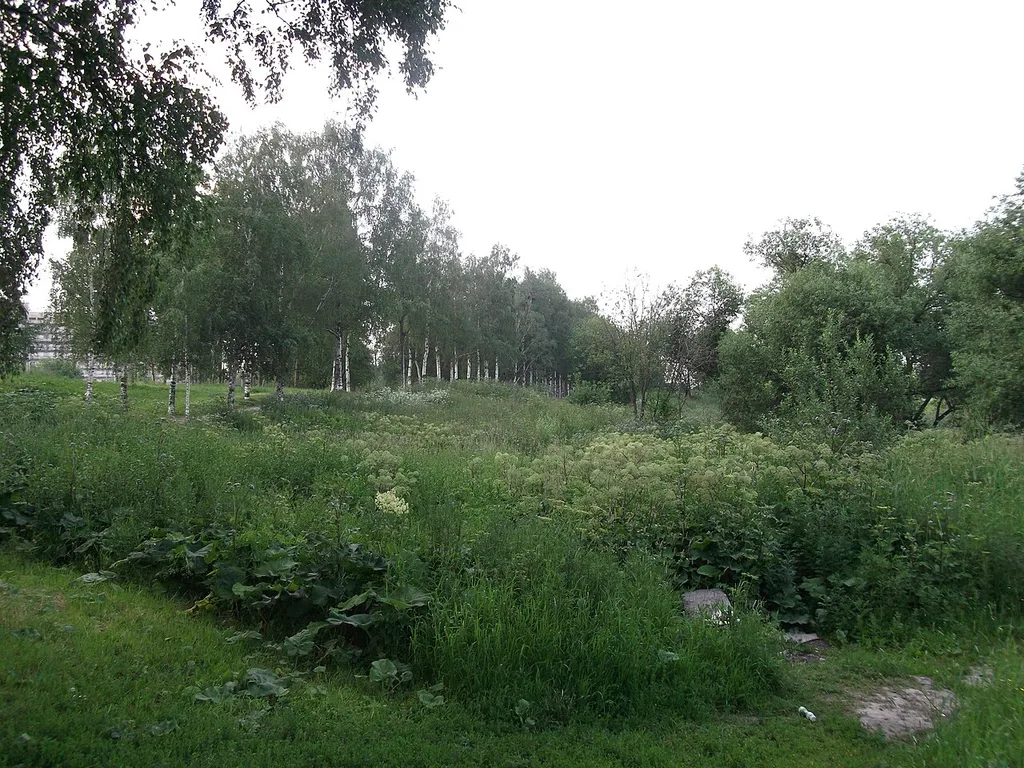
Polezhaevsky Park occupies a trapezoidal tract between Peterhof Highway, Marshal Zhukov Avenue, Avangardnaya Street and Veterans Avenue. Parts of the ground are marshy; elsewhere, trees and shrubs have grown over it. The park’s best-kept areas lie beside the Dudergofka stream, along which the Alley of Glory runs, and bridges cross the Dudergofsky Canal.
Read more
At the junction of the Peterhof and Narva roads, drainage and landscaping began under Count Grigory Orlov in the late eighteenth century. His serfs dug drainage ditches and planted willows and white willows along the banks. In 1840, General G. G. Kushelev acquired the Ligovo estate and invited architect Andrey Stackenschneider to remodel the manor and establish a farm. An English landscape park was laid out at the same time, with a network of paths and avenues. Its attractions included a Temple of Cupid on an island and a tufa grotto; neither these nor the estate’s other eighteenth- and nineteenth-century buildings survive. Ligovsky Pond was drained before the war, and sluices destroyed during the siege of Leningrad were not restored. Near the former dam, the foundation of a watermill built in 1755 can still be found. The manor palace was dismantled in the winter of 1932–1933. During the war, the park lay at the centre of the front line for more than two years, and afterwards it had almost ceased to exist as a unified whole. The Alley of Glory became a memorial complex: two obelisks are joined by an avenue of 900 birches, symbolising the 900 days of the siege.
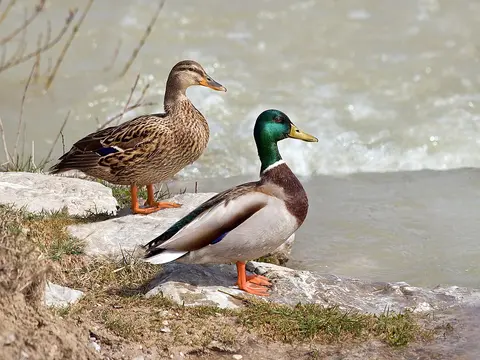
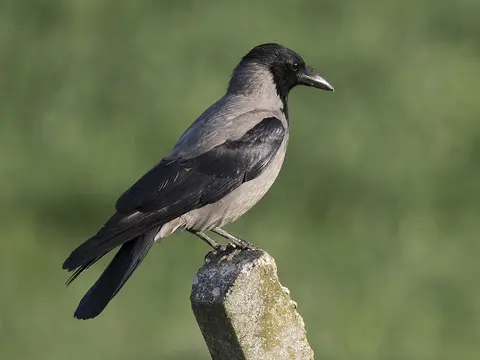
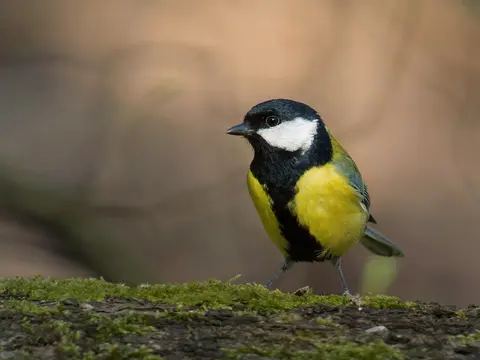
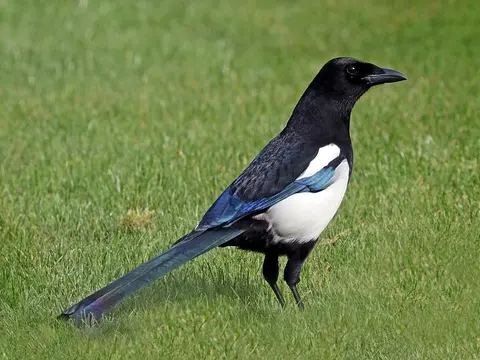
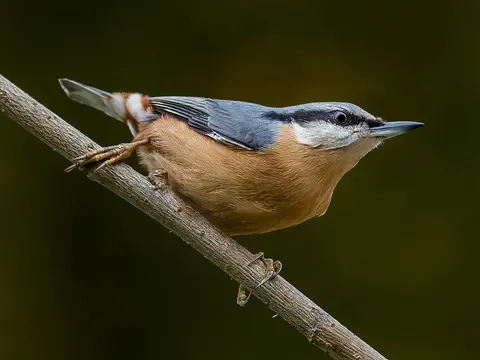
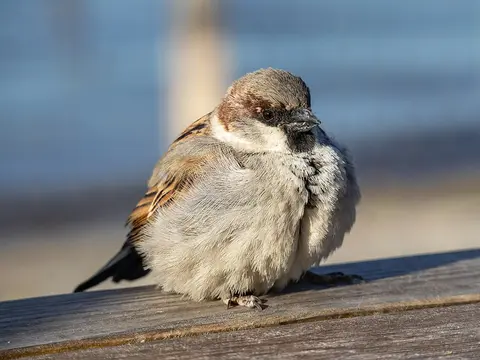
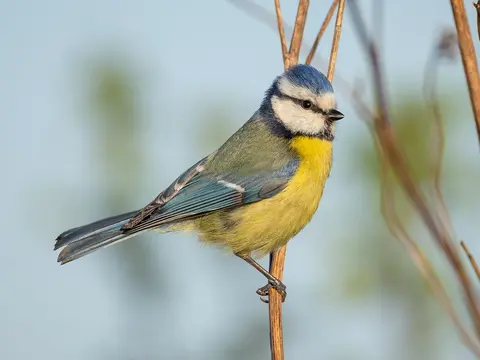
Birds recorded nearby include the mallard, great tit, hooded crow and Eurasian tree sparrow.
When there are more birds
October — 46 species
- Winter
- Spring
- Summer
- Autumn
Getting there
Directions on the map you prefer


