Tsentralno-Lesnoy gosudarstvennyy prirodnyy biosfernyy zapovednik
Link copied.
- Species
- ≈ 75 species Source, Species: Community observations: eBird and GBIF
- Best time
- June–July Source, Best time: Months with the most species, across all years of observations
- ≈ 75 species Source, Species: Community observations: eBird and GBIF
- June–July Source, Best time: Months with the most species, across all years of observations
- 1930 Source, Founded: From Wikidata
Birds in October
All birds
October
Within 10 km
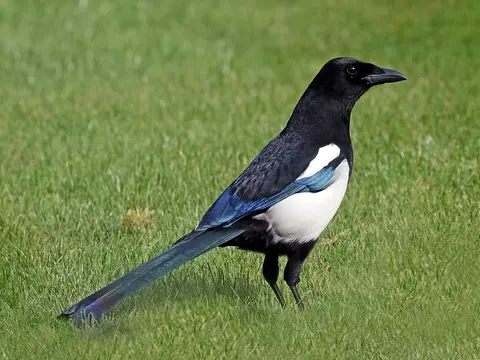
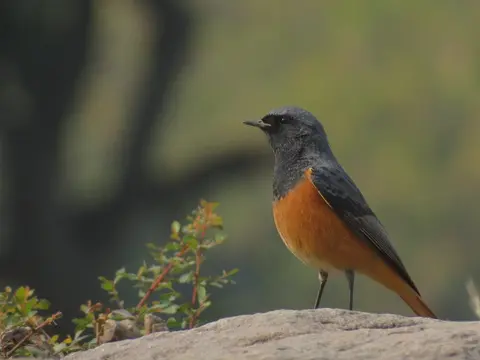
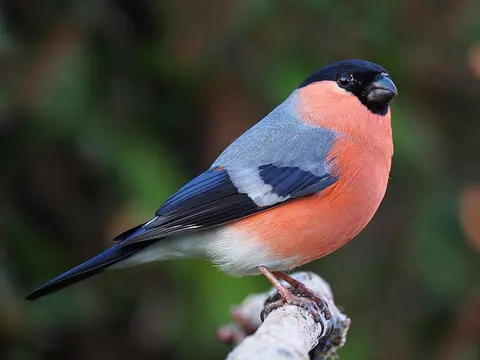
About the park
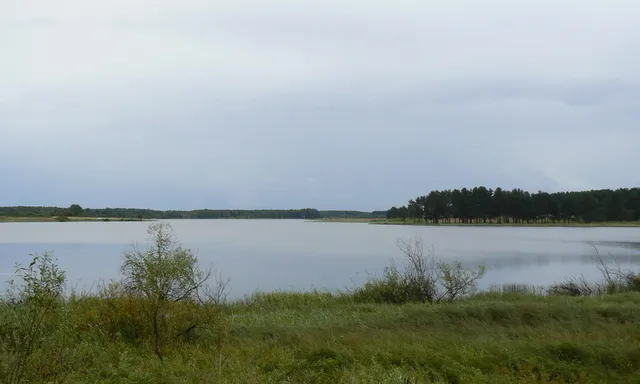
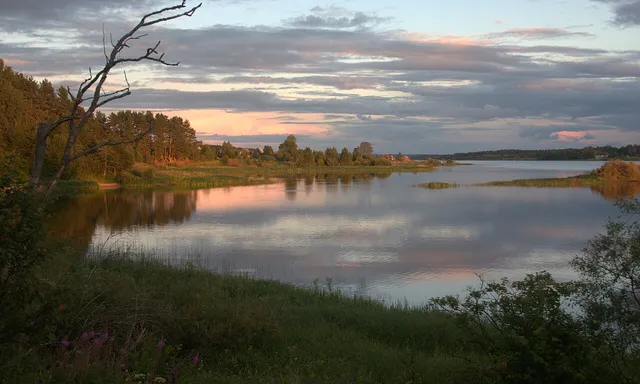
On the south-western Valdai Hills, Tsentralno-Lesnoy lies on the watershed between the Volga and Western Dvina, with the upper reaches of the Mezha within its forests. The rolling ground rises from 220 to 270 metres. Well-drained hills carry complex spruce forest, the dominant woodland type, which covers almost half the reserve; individual spruces reach 40 metres. Along river valleys and streams, the forest becomes wetter, with herbaceous marsh vegetation. Sphagnum bogs cover about a fifth of the reserve. The largest, Katin Mokh, extends across almost 3,000 hectares. The Tudovka, Zhukopa and Tyudma are in the Volga basin, while the Mezha belongs to the Western Dvina basin.
Read more
Part of the ancient Okovsky Forest lies within the reserve; the Tale of Bygone Years mentions it as the geographical centre of Rus. The history of protecting these woods began with a failed choice of location: in the 1920s, a site south of the present reserve was selected, but timber companies quickly cut its forest, so protection had to be established instead in the upper reaches of the Mezha. The reserve was abolished in 1951, and logging destroyed its southern part and cut down about six square kilometres of forest in the north. Protected status was restored in 1960.
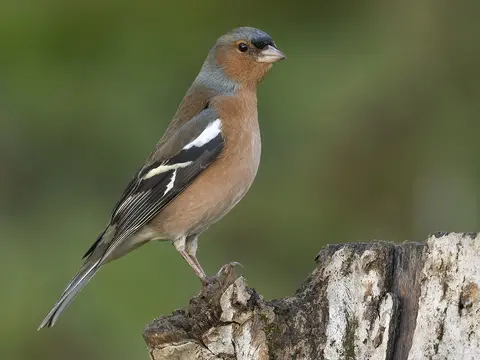
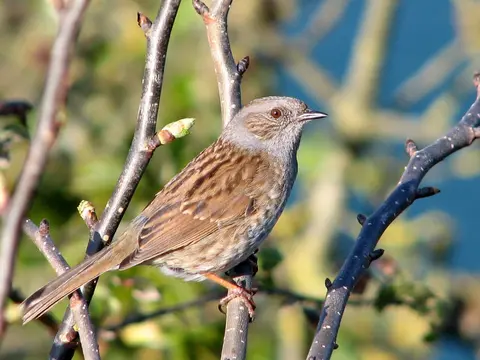
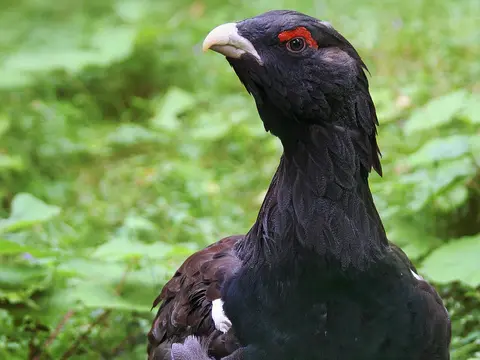
Capercaillies, hazel grouse and black grouse are numerous in the forests; willow ptarmigan occur in the bogs, and the common crane nests here. Birds recorded nearby include the Eurasian blackbird, common chaffinch, willow warbler, European robin and common chiffchaff.
When there are more birds
October — 6 species
- Winter
- Spring
- Summer
- Autumn
Getting there
Directions on the map you prefer