Birds of Setun Valley zakaznik
Link copied.
Rarely recorded
- Species
- ≈ 58 species Source, Species: Community observations: eBird and GBIF
- Best time
- April–May Source, Best time: Months with the most species, across all years of observations
- ≈ 58 species Source, Species: Community observations: eBird and GBIF
- April–May Source, Best time: Months with the most species, across all years of observations
- 1998 Source, Founded: Checked by the HeyBird editors
Birds in October
All birds
October

About the park
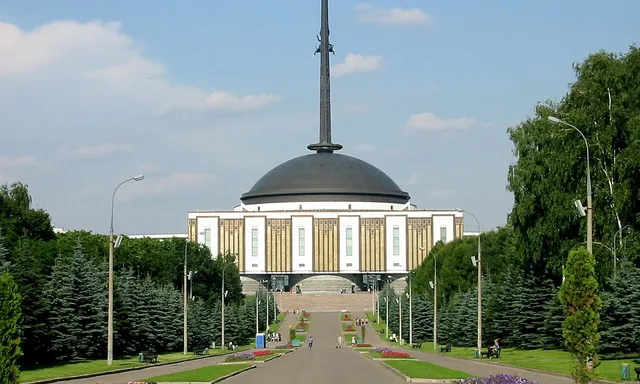
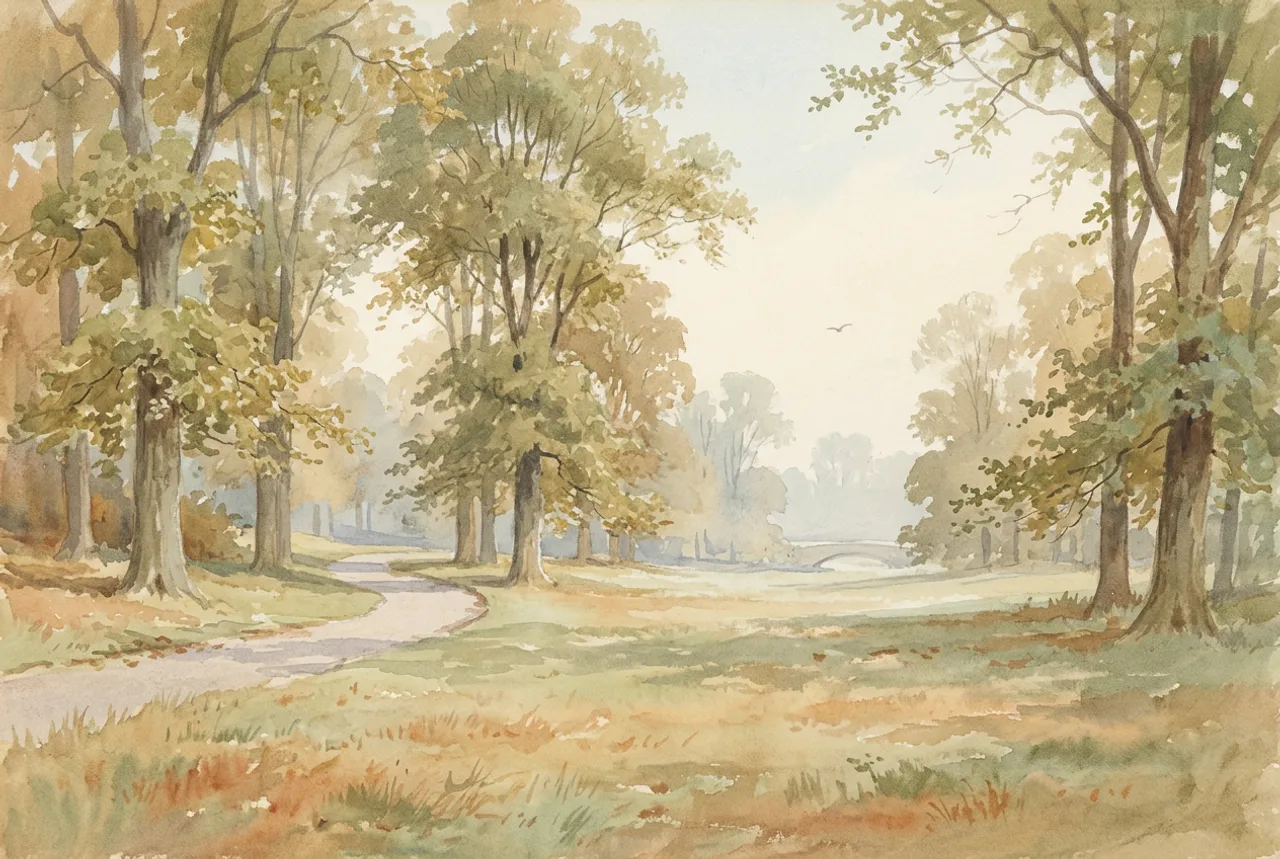
Of the Setun River’s 38 km, 17 km run through the sanctuary, where the river retains natural banks even though 80% of its basin within Moscow is built up. Two substantial woods shape the valley: the river crosses Matveyevsky Forest, about 100 hectares in area, from west to east, while Troekurovsky Forest, around 20 hectares, lies in the west. Troekurovsky Stream, a right-bank tributary of the Setun, flows through the latter. The woods include floodplain willow and grey alder, as well as lime and aspen stands. A spring rises at the base of the river’s right-bank slope, upstream of Aminyevsky Bridge; it has had protected-area status since 2007.
Read more
The valley’s history joins old estates with the gradual protection of its natural landscape. Spasskoye-na-Setuni estate is known from the 17th century and belonged to the boyar Artamon Matveev, who commissioned the Church of the Saviour Not Made by Hands. The five-domed church was built in 1673–1676; by 2018, the estate’s old park and ponds were its only surviving remains. In Troekurovo, the estate belonged to the boyar Troekurov family in the 17th and 18th centuries. The village of Goleni-shchevo is known from the 14th century, and its Trinity Church was built in 1644–1646. The first nature-protection designation covered a small part of the valley in Matveyevsky Forest: on 17 October 1991, an 18.3-hectare area was declared a natural monument. A programme to create a natural park was developed in the mid-1990s and required cleaning and ecological rehabilitation of the river channel. The regional sanctuary was established on 21 July 1998.
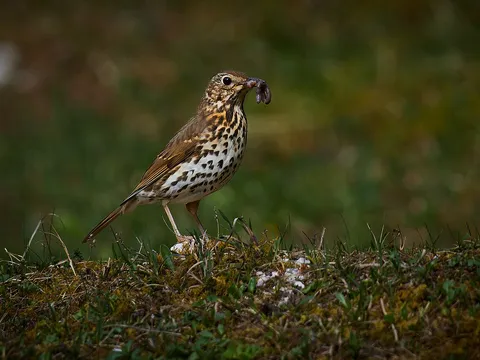
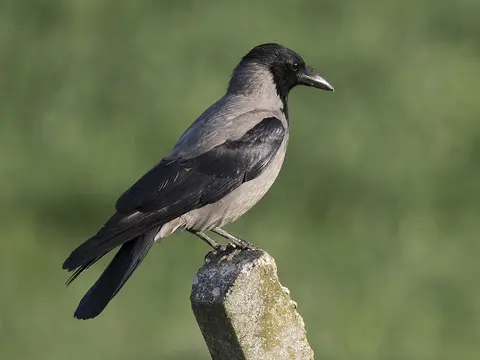
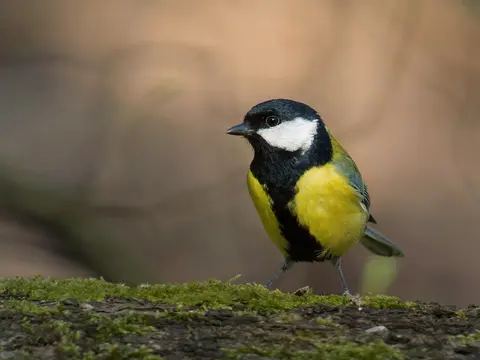
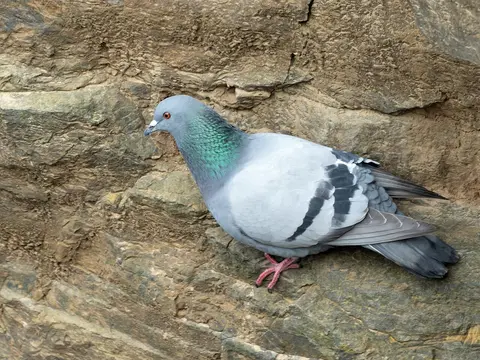
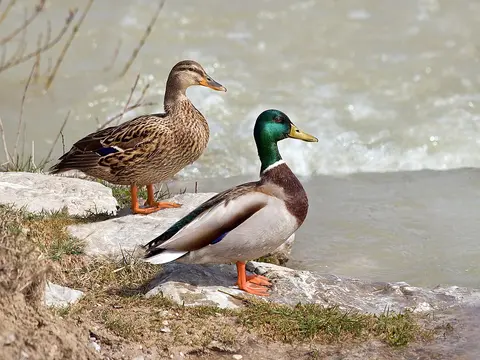
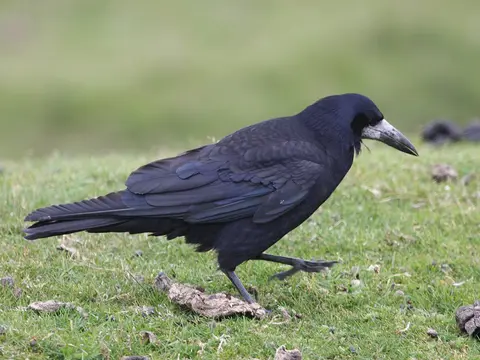
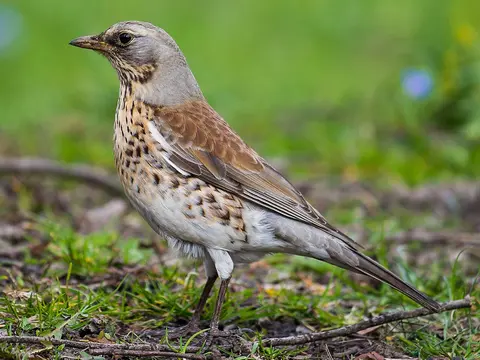
Green sandpipers inhabit wooded parts of the valley. Black-headed gulls have nesting colonies here, and skylark nesting sites have been recorded. Eurasian teal and garganey breed in the valley; peregrines use it as a feeding area, while both feeding areas and nesting sites are recorded for common kestrels. Birds recorded nearby include great tit, hooded crow, fieldfare, mallard and rock pigeon.
When there are more birds
October — 18 species
- Winter
- Spring
- Summer
- Autumn
Getting there
Directions on the map you prefer