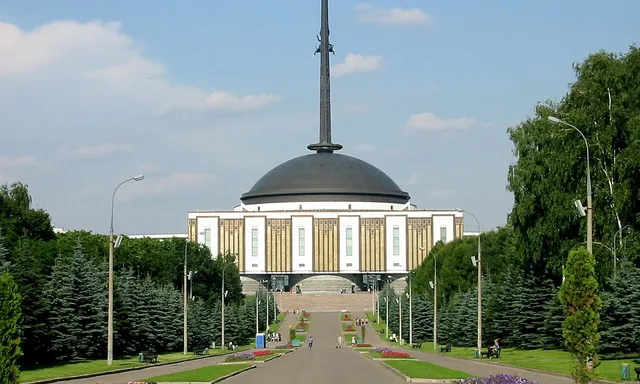
Birds of Sparrow Hills Park
Link copied.
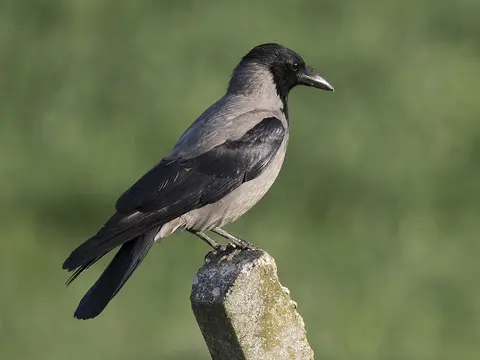
Rarely recorded
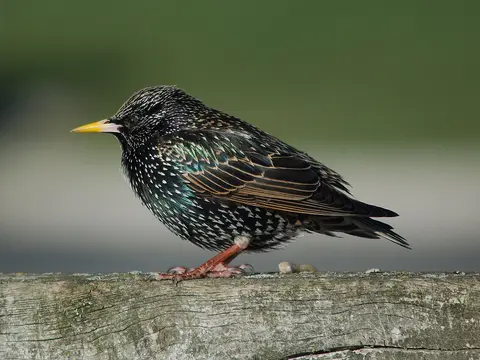


- Species
- ≈ 91 species Source, Species: Community observations: eBird and GBIF
- Best time
- March–October Source, Best time: Months with the most species, across all years of observations
- ≈ 91 species Source, Species: Community observations: eBird and GBIF
- March–October Source, Best time: Months with the most species, across all years of observations
- 1998 Source, Founded: Checked by the HeyBird editors
Birds in October
All birds
October

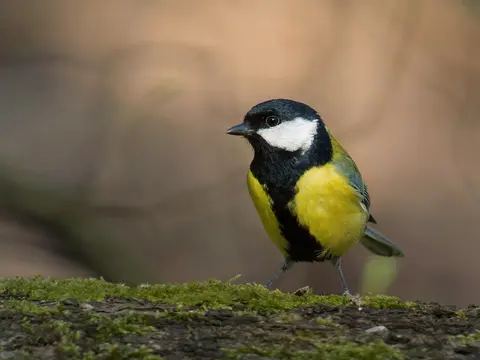
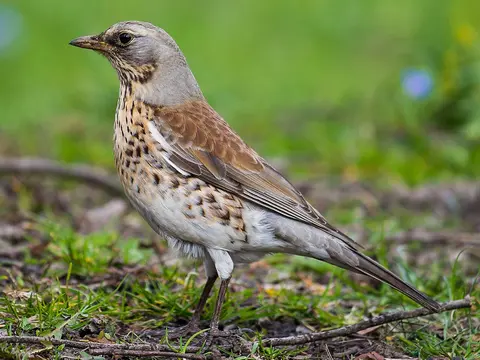
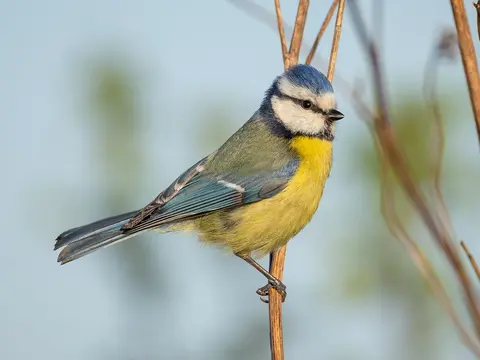
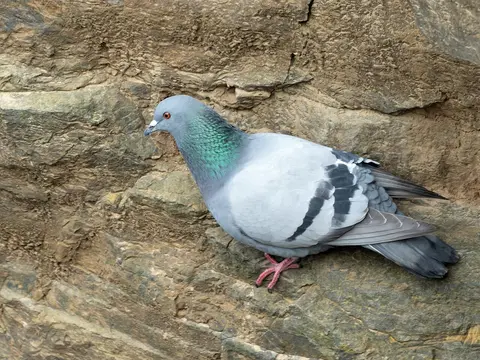
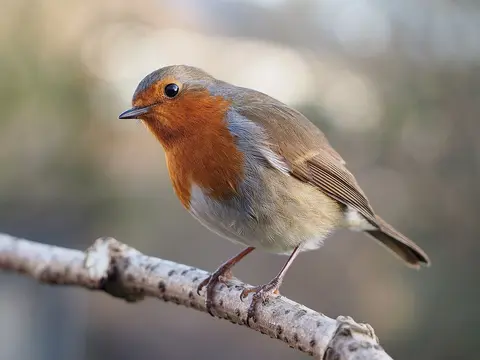
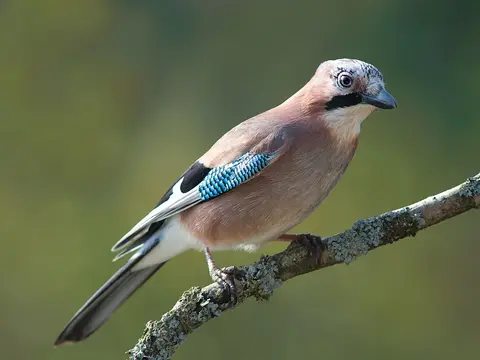
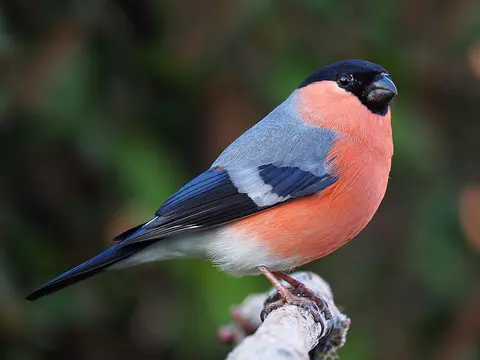
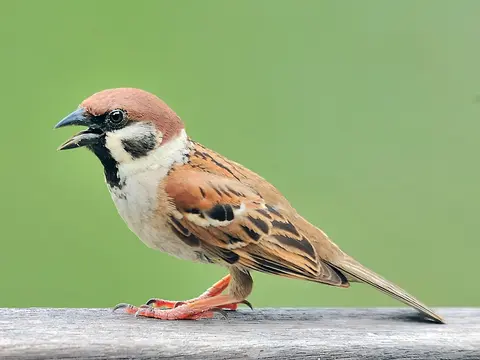

About the park
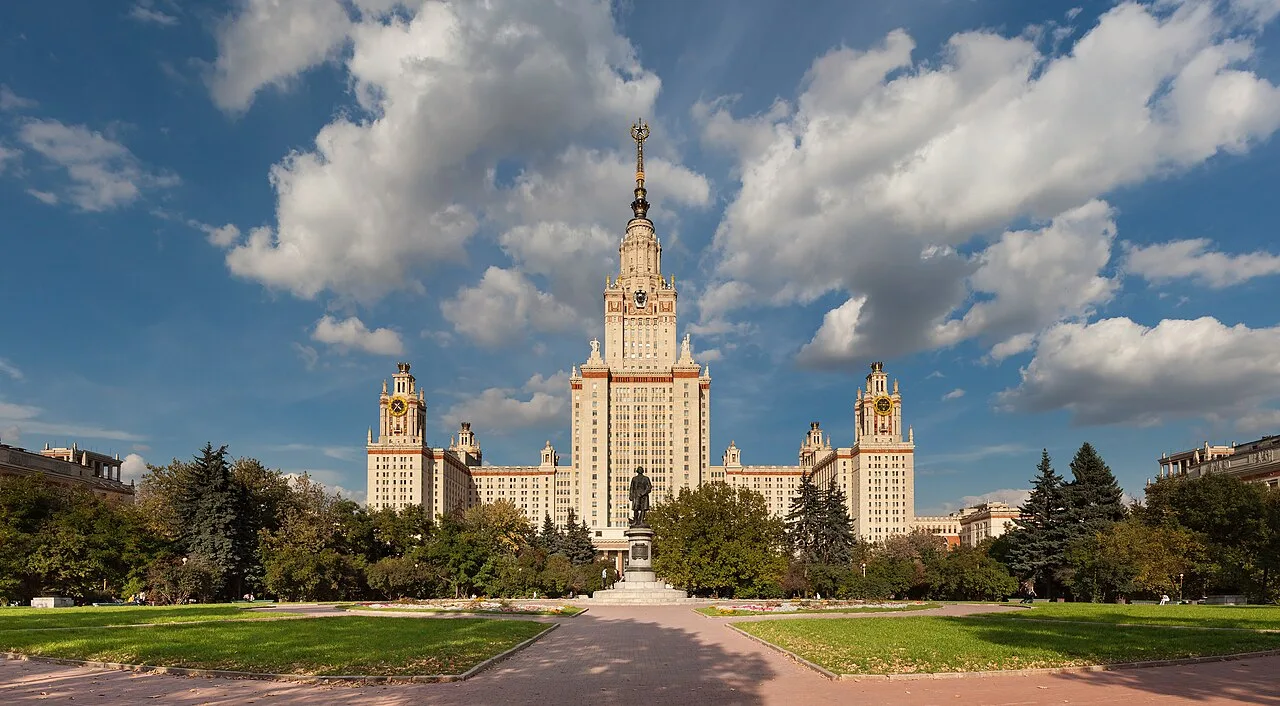
On the high right bank of the Moskva River, a steep slope rises up to 80 metres above the water, cut by deep ravines where the Chura, Krovlyanka and Kotlovka once ran. Springs emerge in the ravines. Old broad-leaved forest covers almost the entire slope; limes and oaks grow here, and tree roots help hold the steep, erosion-prone soil in place. Three ponds remain on the wooded terraces: two Andreevsky ponds and Lesnoy Pond. At the foot, the slope meets the river embankments; above it, an open observation platform looks across a panorama of the capital.
Read more
The name Sparrow Hills comes from the village of Vorobyovo, known since the early 14th century. In 1453, Grand Duchess Sophia of Lithuania acquired the village from descendants of the Vorobyov boyars, and it later became a residence for Moscow’s grand princes. The slope also shaped the fate of a major building project: construction of the Cathedral of Christ the Saviour began here in 1817, but excavation revealed ground that was crumbling and slipping. Work stopped in 1827, and the cathedral was later built near the Prechistensky Gates.
In 1925, the first official Bird Day in Soviet Russia was held here, when young naturalists put up nest boxes. Nightingales and warblers live in the forest. The long-eared owl and tawny owl are listed in Moscow’s Red Data Book, and kestrels can be seen over the nature reserve. Great tits and fieldfares have been recorded nearby.
When there are more birds
October — 42 species
- Winter
- Spring
- Summer
- Autumn
Getting there
Directions on the map you prefer