Birds of Pavlovsk Park
Link copied.
Rarely recorded

- Species
- ≈ 146 species Source, Species: Community observations: eBird and GBIF
- Best time
- May–June Source, Best time: Months with the most species, across all years of observations
- ≈ 146 species Source, Species: Community observations: eBird and GBIF
- May–June Source, Best time: Months with the most species, across all years of observations
- 1777 Source, Founded: From Wikidata
Birds in October
All birds
October




About the park
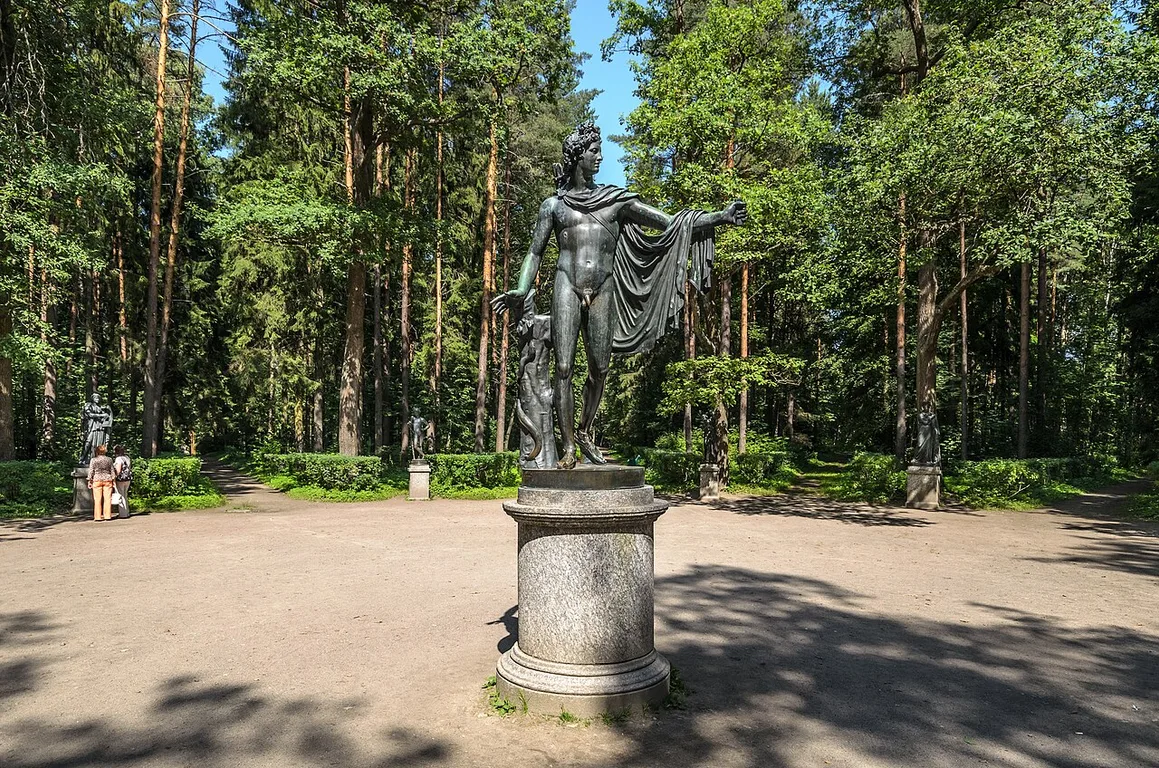
The Slavyanka winds between hilly banks, where dams hold the river into cascades, riffles and broad pools. Pavlovsk Park lies on the slope of the Baltic-Ladoga escarpment; its valley is made up of glacial-lake and later deposits, and its relief was shaped by glaciation. Open meadows in Paradnoye Pole meet the woodland of Belaya Bereza, a forested area of about 250 hectares. Clearings open among its groves, while deep ponds in Dolina Prudov lie beneath tall trees. Before the park was laid out, lowland bogs and coniferous forest mixed with broad-leaved trees covered this ground. Today, the valley’s natural contours sit alongside designed ponds, avenues and open spaces.
Read more
On 12 December 1777, Catherine II granted the land to her son Paul for a country residence. Work began the following spring: woodland was cleared, rides cut through the forest and sites prepared for building. Charles Cameron planned geometrically ordered grounds near the palace, while giving the rest of the park a landscape-garden character. Later, Pietro Gonzaga, who had worked as a theatre designer, marked trees for retention or felling, reshaped contours and framed views through alternating open ground and enclosed woodland. Between 1803 and 1813, after Paul I’s death, Gonzaga transformed Paradnoye Pole, originally intended for military manoeuvres, into a park. During the German occupation from 1941 to 1944, more than 70,000 trees were felled, bridges destroyed and the palace burned. Restoration began in spring 1944, and Pavlovsk became the starting point for the revival of Leningrad’s suburban palace-museums and parks.
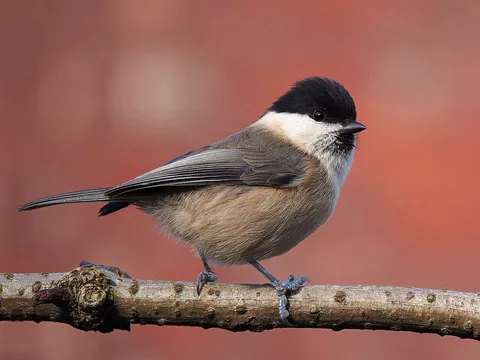
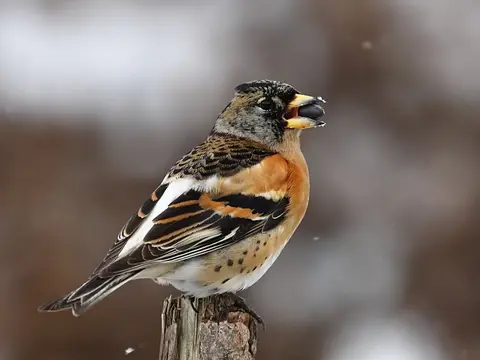
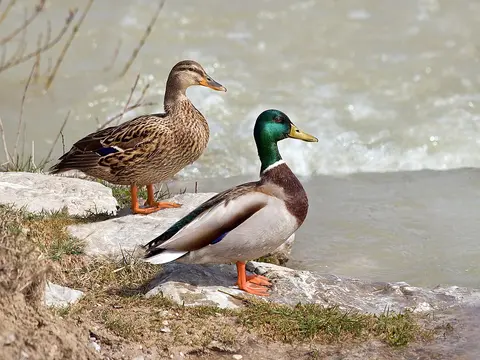
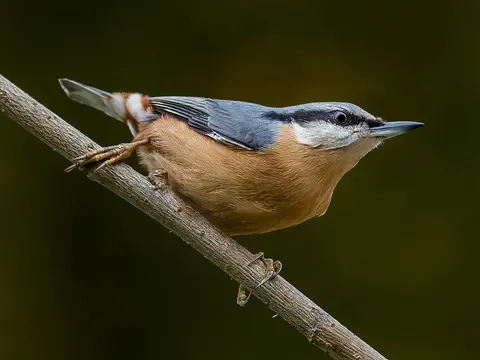
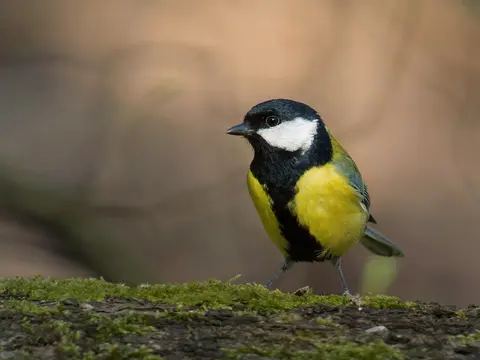
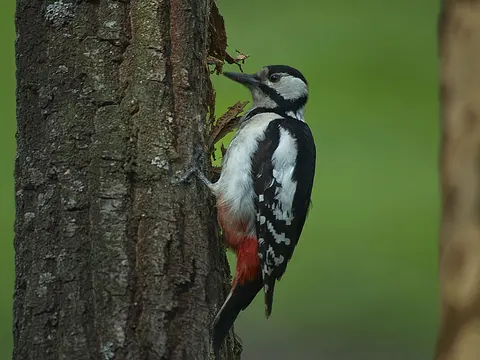
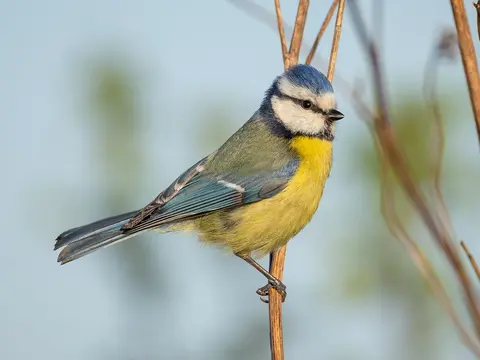
Birds recorded nearby include mallard, great spotted woodpecker, great tit, Eurasian blue tit and hooded crow.
When there are more birds
October — 52 species
- Winter
- Spring
- Summer
- Autumn
Getting there
Directions on the map you prefer


