Birds of Sestroretskoe boloto
Link copied.
Rarely recorded
- Species
- ≈ 107 species Source, Species: Community observations: eBird and GBIF
- Best time
- May Source, Best time: Months with the most species, across all years of observations
- ≈ 107 species Source, Species: Community observations: eBird and GBIF
- May Source, Best time: Months with the most species, across all years of observations
- 2011 Source, Founded: From Wikidata
Birds in October
All birds
October




About the park
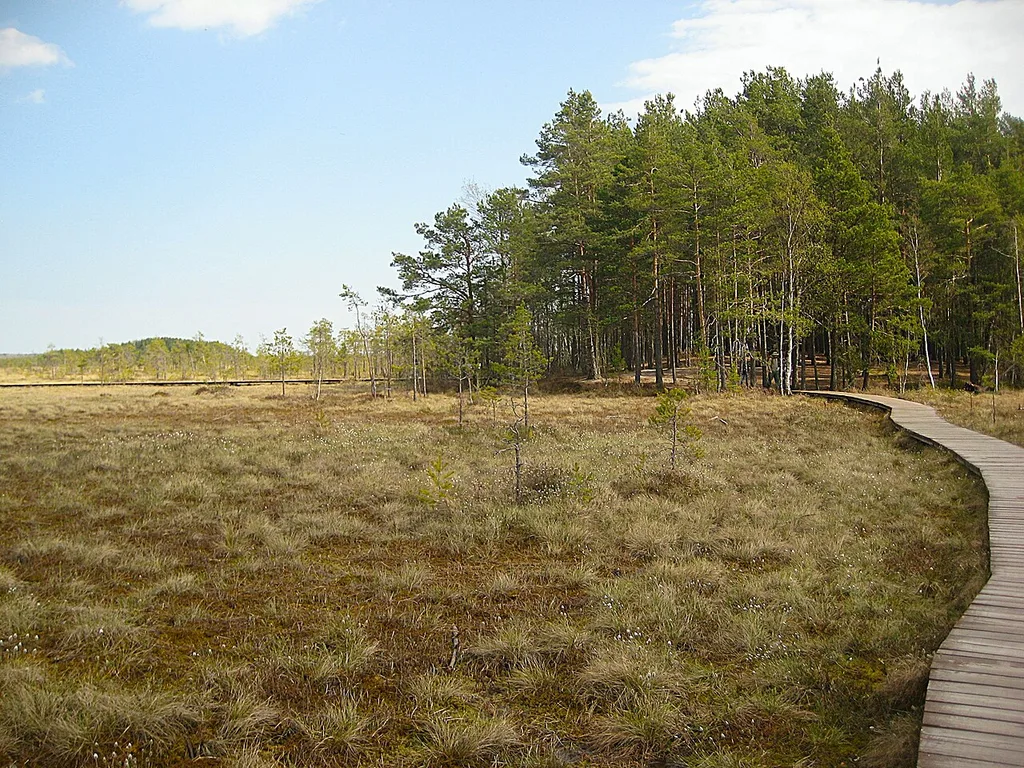
Flooded dunes rise above Sestroretskoe Boloto, their ridges wooded with pine and spruce, with birch among them; they divide the bog into eastern and western parts. Between the wooded ridges lies a broad raised bog, grading into fen and transitional bog around its edges and along the river channels. The Sestra and Chernaya rivers cross the reserve on their way to Sestroretsk Razliv, whose northern part is also within its boundaries. The bog has never been drained, preserving a connected complex of wetland landscapes. Its eastern part is older than the reservoir; the western part formed over shallows submerged when the reservoir was created.
Read more
This lowland is separated from the Gulf of Finland by a sandy ridge and bounded by the escarpment of an ancient marine terrace. About 8,000–7,000 years ago, when the Littorina Sea reached its greatest extent, the area was a shallow marine bay. A sandy barrier gradually cut the bay off from the sea, first creating a lagoon; as the water body later shallowed and became overgrown, organic and mineral deposits accumulated and peatlands developed. The bog did not form all at once: researchers identify at least four centres of peat accumulation that expanded and eventually joined. Its oldest parts are at least 8,000 years old when the earlier lake stage is included, and the peat deposit reaches about 6.5 metres in places. Drainage and peat extraction were avoided because these boggy lands were poorly suited to agriculture. A major change came in 1721, when a reservoir was built for the arms factory, flooding the southern part of the bog.
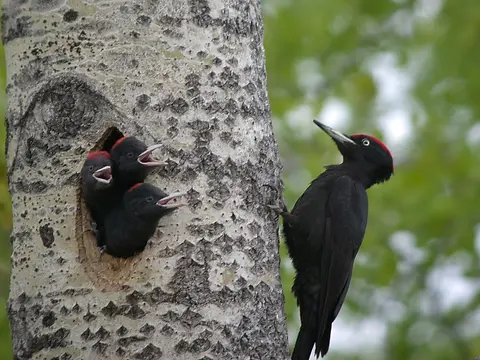
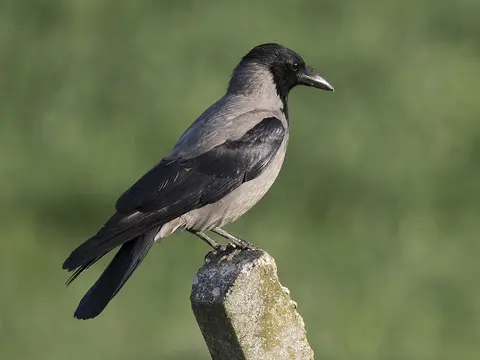
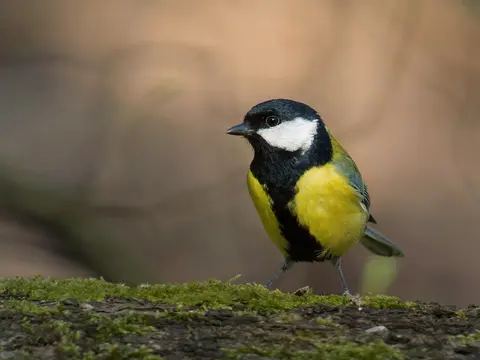
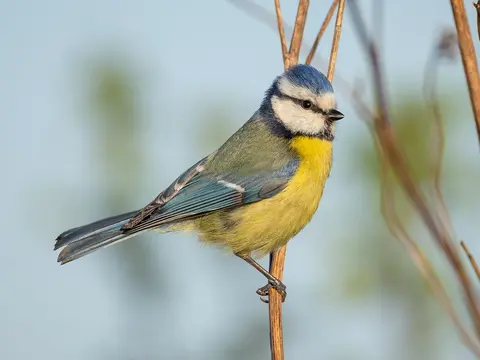
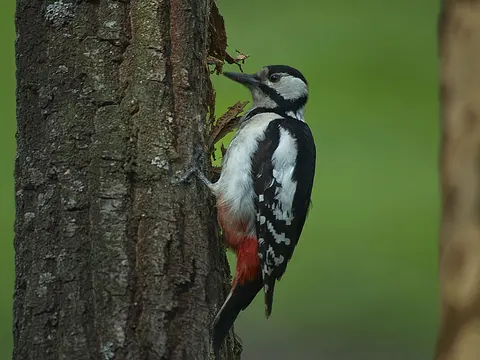
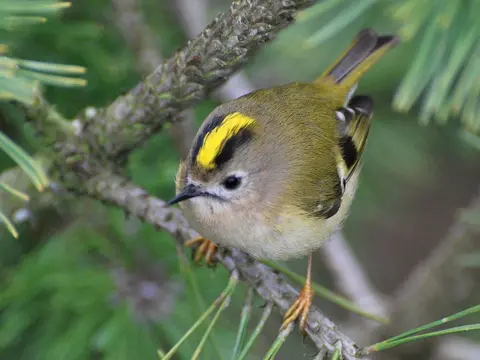
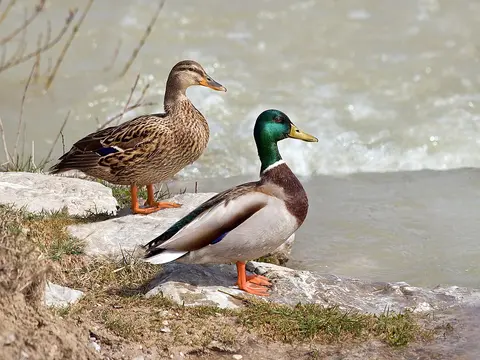
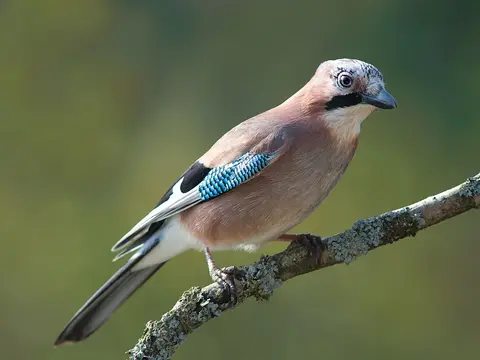
The shallows in the northern part of Sestroretsk Razliv and the lower reaches of the Sestra and Chernaya rivers are important gathering places for waterfowl and other waterbirds during migration. The wetland landscapes lie on the White Sea–Baltic migration route. Among birds recorded nearby are the hooded crow, mallard, great tit, Eurasian magpie and Eurasian tree sparrow.
When there are more birds
October — 30 species
- Winter
- Spring
- Summer
- Autumn
Getting there
Directions on the map you prefer