Verh-Isetskoe vodohranilische
Link copied.
Rarely recorded
- Species
- ≈ 100 species Source, Species: Community observations: eBird and GBIF
- Best time
- April–June Source, Best time: Months with the most species, across all years of observations
- ≈ 100 species Source, Species: Community observations: eBird and GBIF
- April–June Source, Best time: Months with the most species, across all years of observations
Birds in October
All birds
October


About the lake
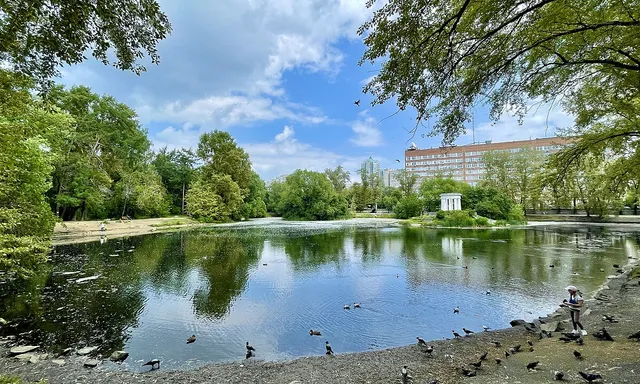
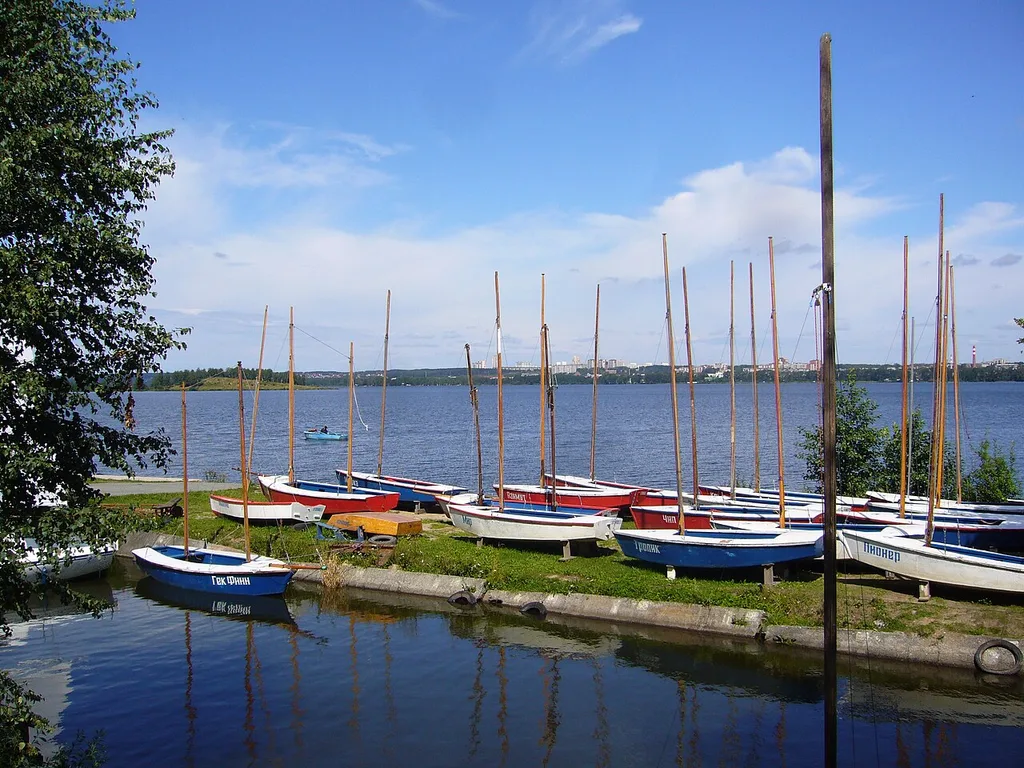
The Verkh-Isetskoe Reservoir stretches for 10 km along the Iset River, its basin set among the granites of the Verkh-Iset massif. Shallow bays alternate with higher headlands along the shore, and as many as twelve islands lie among them. The water reaches 8–10 m deep near the dam and along the river’s former channel. Petukh and Kuritsa islands are separated from the mainland by shallow, marshy channels that dry up in drought years. The Svetlaya stream enters from the south-west; marshy ground borders the southern shore, while railway lines and urban development approach from the north. Canals also bring water from the Volchikhinskoye Reservoir on the Chusovaya and the Nyazepetrovskoye Reservoir on the Ufa.
Read more
The reservoir was created on the Iset in 1725–1726 to serve the Verkh-Iset Plant, and it also became a reserve for the lower City Pond. Its dam drove the machinery of the Yekaterinburg Plant, making the water body part of a system that supplied factories with water and power. The history of the shores reaches much further back: ancient human sites have been found on both sides of the reservoir near the dam, as well as on some islands and peninsulas. Archaeological finds at Gamayun Cape gave their name to the Gamayun culture of the late Bronze Age and early Iron Age.
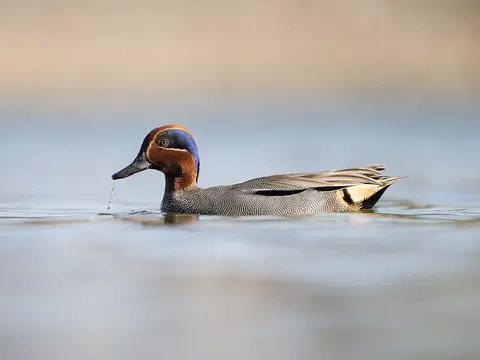
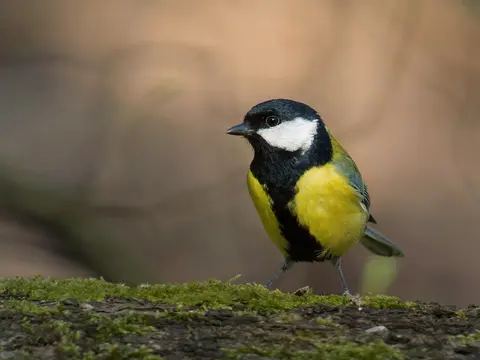
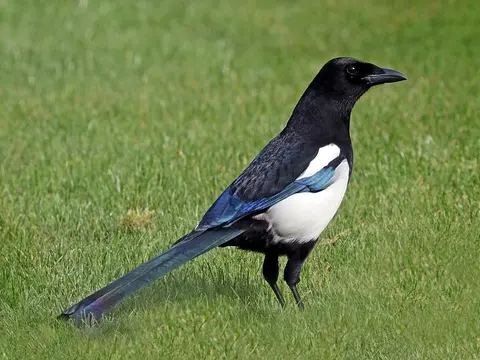
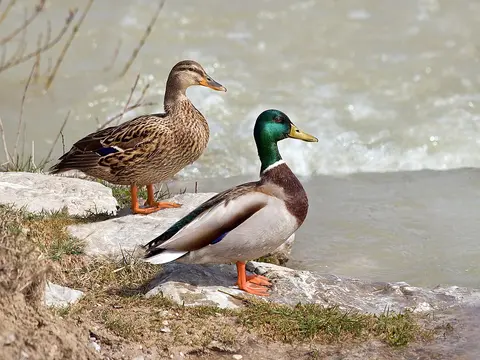
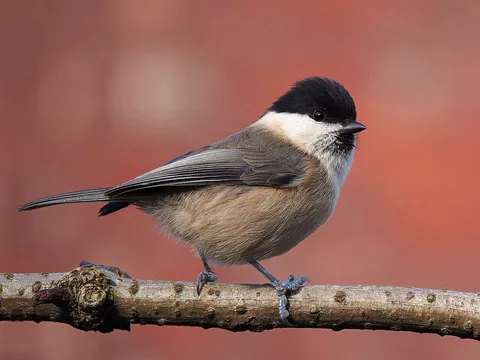
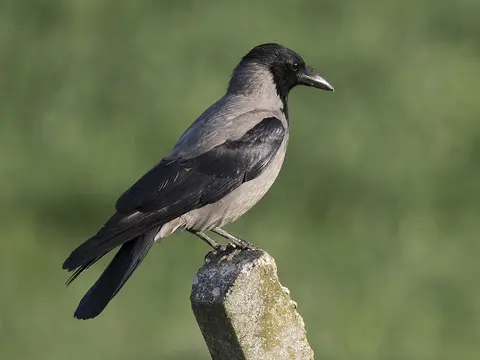
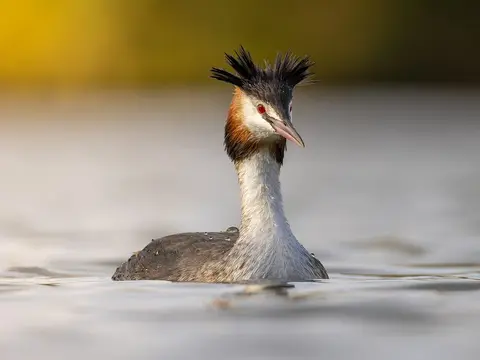
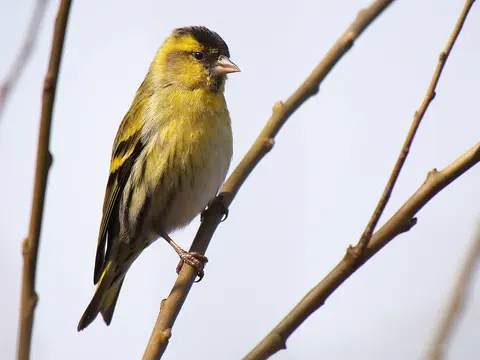
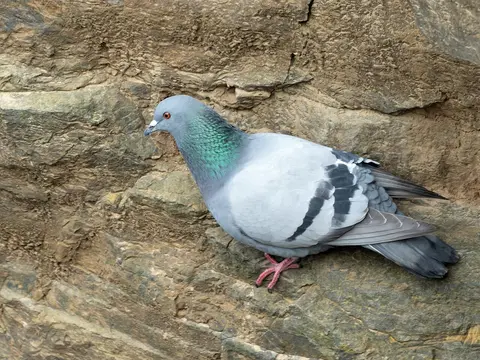
Birds recorded nearby include mallard, Eurasian magpie, great tit, lesser black-backed gull and white wagtail.
When there are more birds
October — 26 species
- Winter
- Spring
- Summer
- Autumn
Getting there
Directions on the map you prefer