Shuvakish
Link copied.
Rarely recorded

- Species
- ≈ 106 species Source, Species: Community observations: eBird and GBIF
- Best time
- May Source, Best time: Months with the most species, across all years of observations
- ≈ 106 species Source, Species: Community observations: eBird and GBIF
- May Source, Best time: Months with the most species, across all years of observations
Birds in October
All birds
October


About the lake
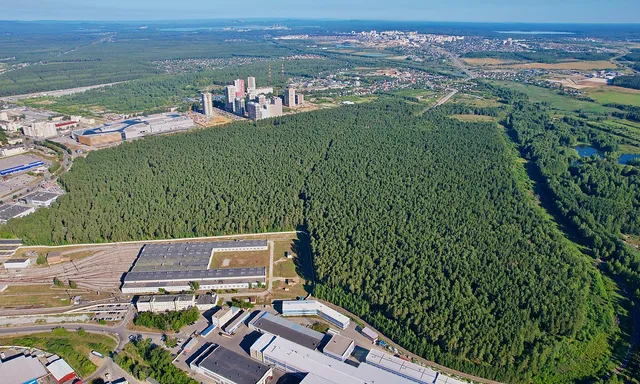
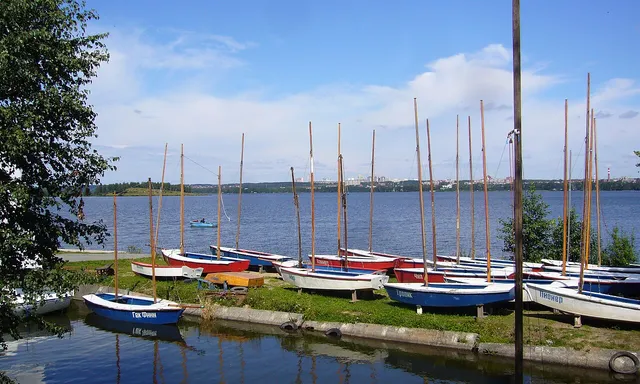
Much of Shuvakish is now an overgrown marsh about 1.2 metres deep, and only around a fifth of the former lake remains. On its northern side, reeds have replaced the open water. The lake lies in Shuvakish Forest Park, between Uralmash and Sortirovka in western Yekaterinburg; its drainage basin covers 23 square kilometres. The Pyshma River and Kalinovka Stream once flowed out of the lake.
Read more
An ironworks built by Larion Ignatyev began operating at the Pyshma’s source in 1704, prompting the suggestion that Shuvakish was an artificial pond serving the works. The ironworks closed in 1716 after repeated Bashkir attacks and the exhaustion of iron-ore deposits; a mill was later built farther downstream. Until the 1930s, Shuvakish was comparable in size to Lake Shartash. During construction of Uralmash and its residential town in the late 1920s, artesian wells were drilled to supply drinking water, and the lake began to shrink rapidly. A dam blocked the Kalinovka in 1937, but the lake soon dried completely. Water began returning in the 1960s, after some wells stopped being used. The shores also preserve evidence of much earlier settlement: occupation sites date from the Eneolithic to the Early Iron Age, and a large, multi-layered settlement on the north-eastern shore includes Mesolithic and Neolithic layers.
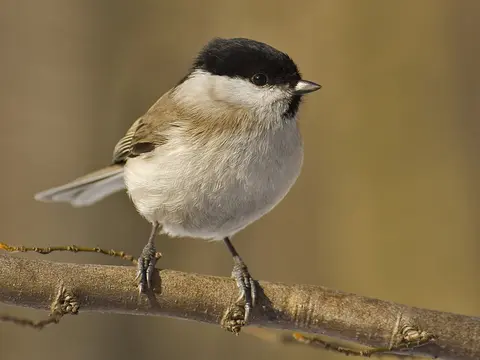
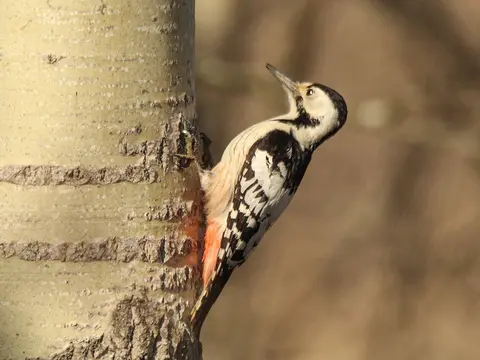
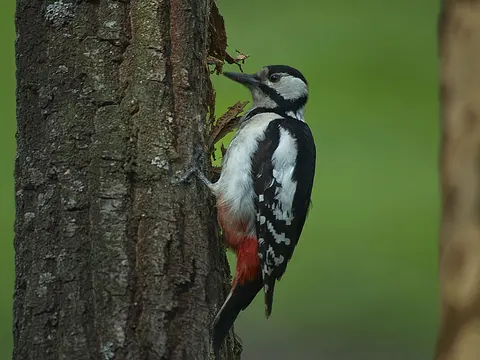
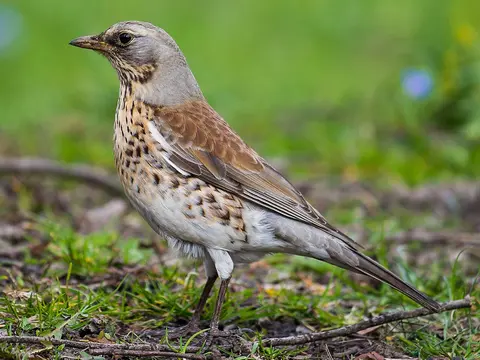
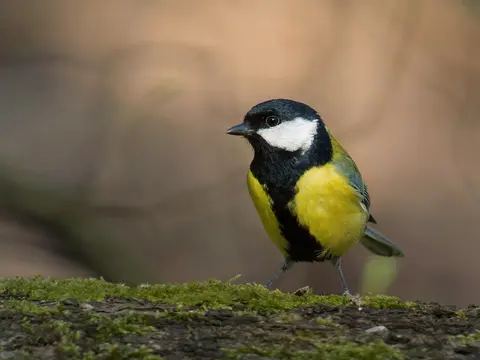
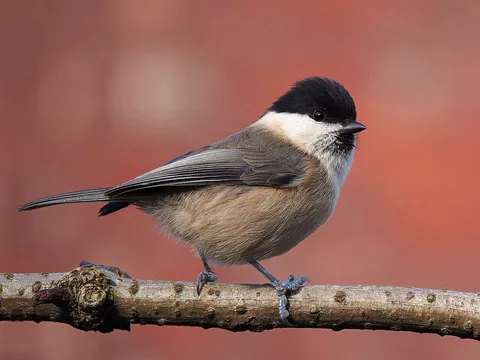
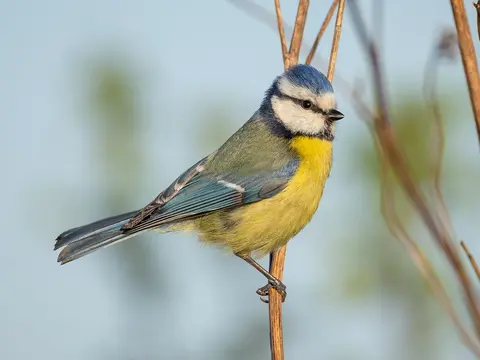
Birds recorded nearby include the great tit, great spotted woodpecker and fieldfare.
When there are more birds
October — 32 species
- Winter
- Spring
- Summer
- Autumn
Getting there
Directions on the map you prefer