Botanicheskiy sad
Link copied.
Rarely recorded
- Species
- ≈ 129 species Source, Species: Community observations: eBird and GBIF
- Best time
- April–June Source, Best time: Months with the most species, across all years of observations
- ≈ 129 species Source, Species: Community observations: eBird and GBIF
- April–June Source, Best time: Months with the most species, across all years of observations
- 1879 Source, Founded: From Wikidata
Birds in October
All birds
October
Within 10 km
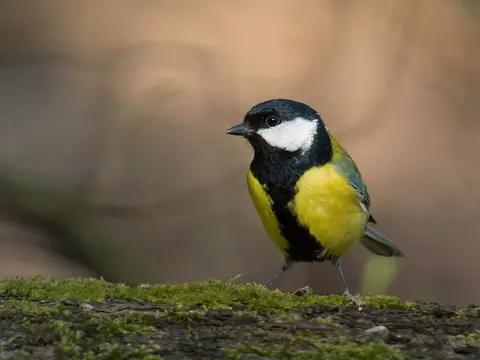
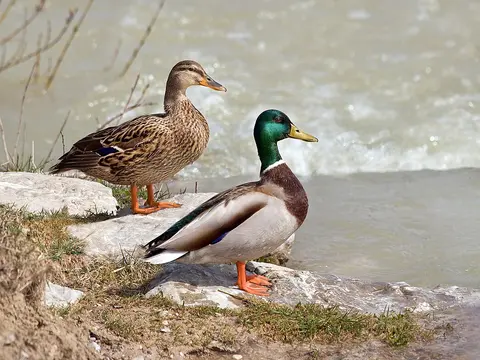

About the park
Near the point where the Tvertsa flows into the Volga, the Botanical Garden lies in Tver’s Zavolzhsky district and covers about 1.5 hectares. Its displays bring together plants from different natural zones. A pond known since the eighteenth century and the channel of the Bukhan stream are among its features. The collections contain more than 350 species of trees and shrubs and over 2,000 herbaceous plant species. European forest communities are represented from mixed woodland and oak forest to the broad-leaved forests of southern Europe, alongside European steppe. The steppe section holds 135 species, many collected in natural habitats; for some, Tver Oblast marks the northern edge of their range. It is Russia’s northernmost botanical garden with an exhibition of steppe plants.
Read more
The site once belonged to Otroch Monastery and formed part of Tver’s Zavolzhsky Posad. In 1879, the merchant Ivan Bobrov laid out a private garden here, and the oaks and larches planted at that time have survived. Leonid Kolakovsky, a natural sciences teacher, became its owner in 1898. He expanded the collection, arranged the displays by geographical origin and held practical classes in the garden. By his will, it passed to the city education department in 1930; in 1938, it was transferred to a pedagogical institute to establish a botanical garden. The main collections were in place by 1941, but the grounds were badly damaged during the occupation of Kalinin. Restoration began in 1949, with plantings renewed, new displays created and a greenhouse built.
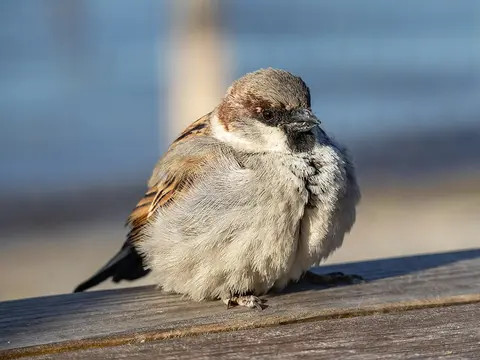
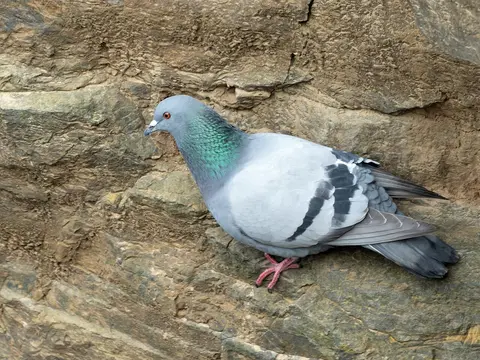
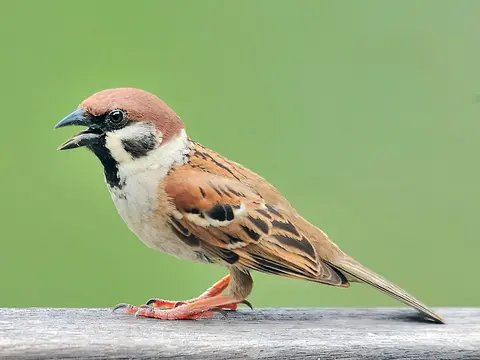
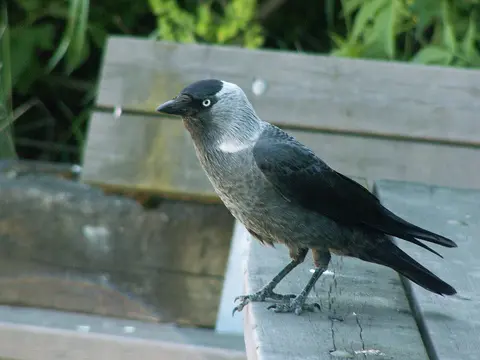
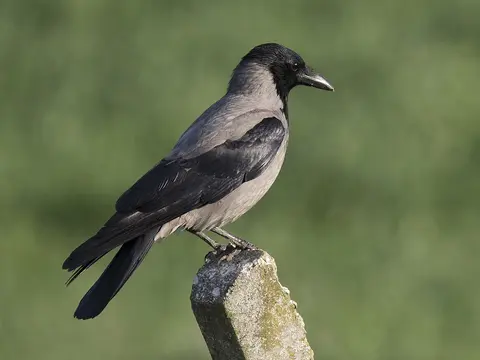
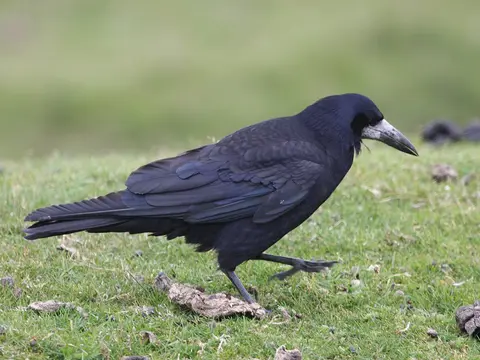
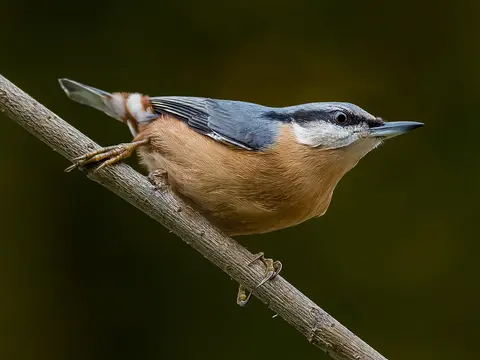
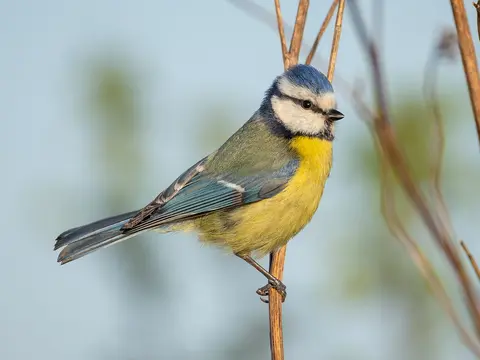
Birds recorded nearby include rock pigeon, common gull, Eurasian tree sparrow, house sparrow and hooded crow.
When there are more birds
October — 21 species
- Winter
- Spring
- Summer
- Autumn
Getting there
Directions on the map you prefer