Birds of Aslykul Lake
Link copied.
- Species
- ≈ 46 species Source, Species: Community observations: eBird and GBIF
- Best time
- May Source, Best time: Months with the most species, across all years of observations
- ≈ 46 species Source, Species: Community observations: eBird and GBIF
- May Source, Best time: Months with the most species, across all years of observations
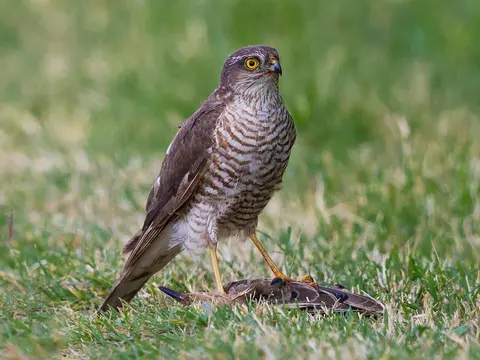
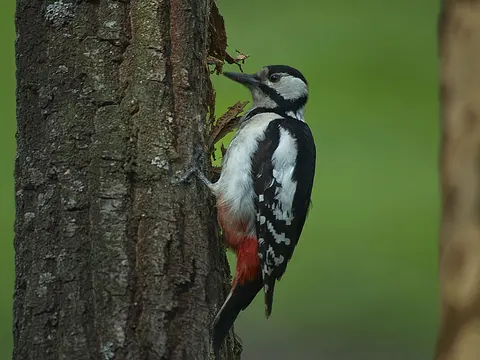
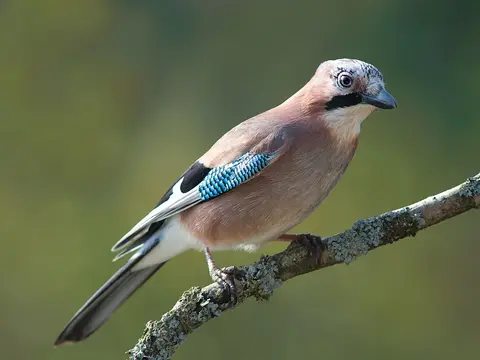
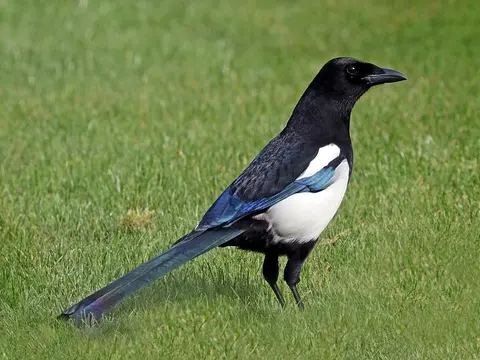
Birds in October
All birds
October
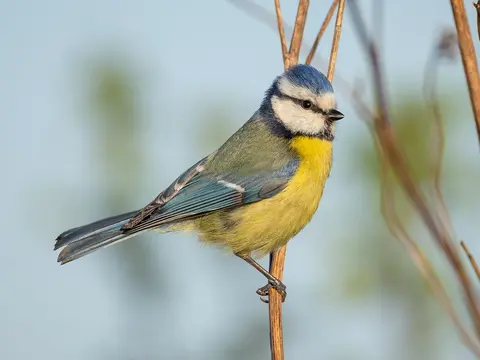

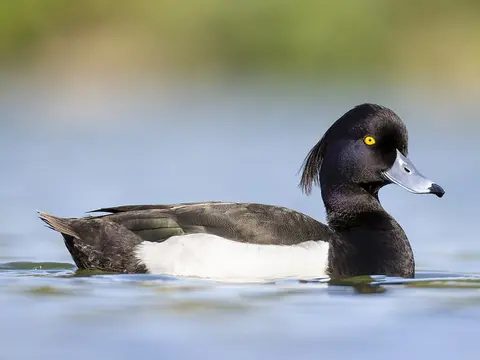
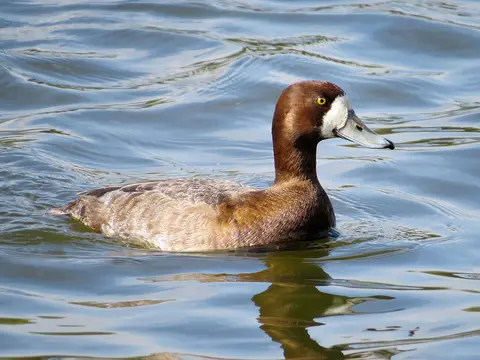

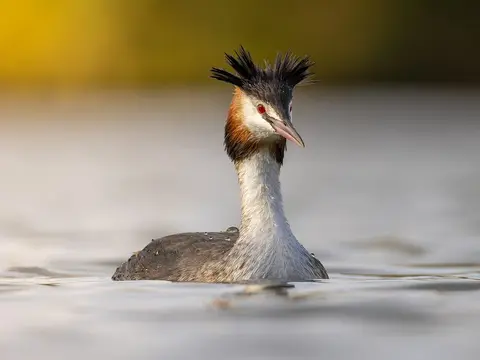

About the lake
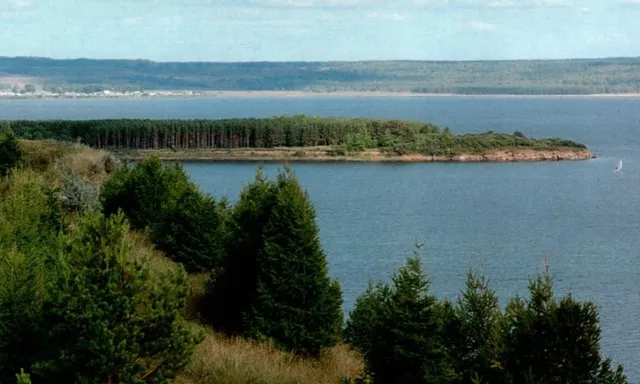
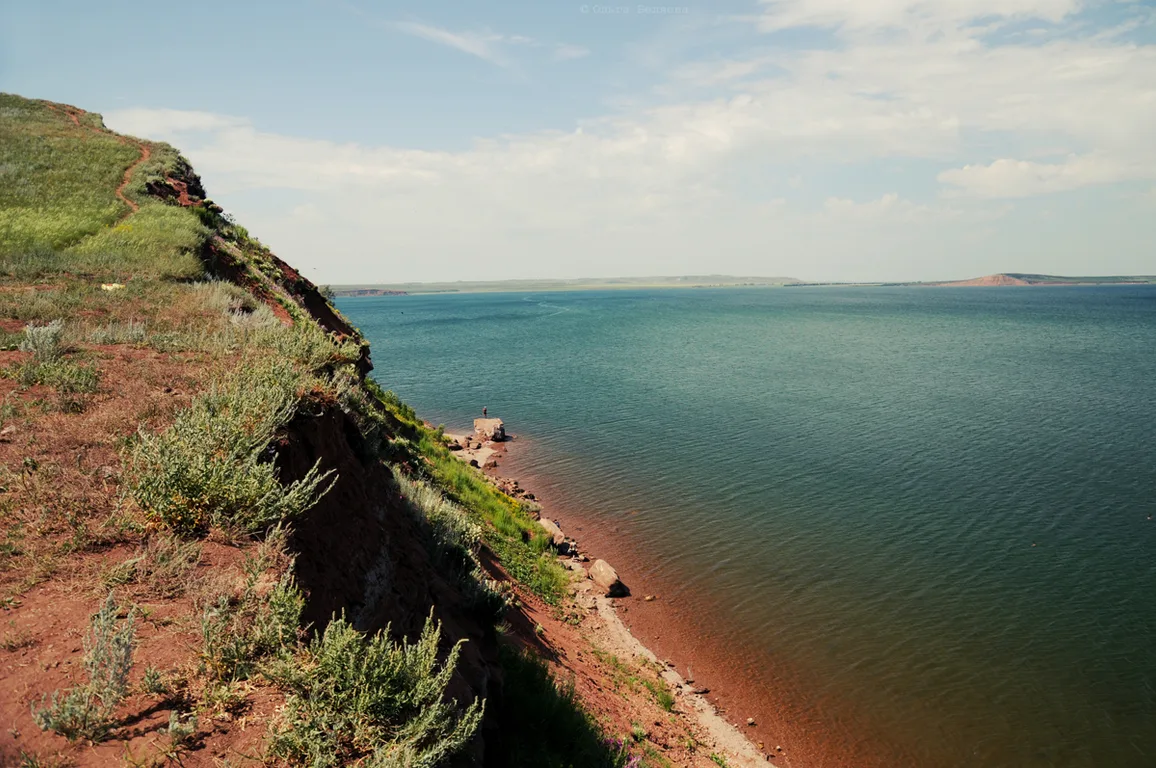
The southern shore of Aslykul Lake climbs steeply, with elevations ranging from 210 to 370 metres. Near the water, the slope breaks into a broad structural terrace, 50–300 metres wide and 10–30 metres above the lake; numerous gullies cut through the slope towards the shore. The lake lies in a wide basin among the north-eastern spurs of the Belebeev Upland. Mixed woodland covers the eastern side of the southern slope, while young larch and pine have been planted across its middle section. Nearby, groves of lime, oak and birch meet fescue-and-feather-grass steppe, and saline meadows fringe the shore. Bulrush, cattail and common reed grow at the water’s edge. Snow, groundwater and rain feed the lake, whose water is slightly brackish and highly mineralised.
Read more
Aslykul’s basin formed through karst collapse. Limestone and clay occur in the underlying formations, with salt-bearing gypsum-anhydrite and anhydrite-dolomite strata of the Kungurian stage lying 130–150 metres below the surface. In 1833, Vladimir Dal described the Bashkir lands and recorded local traditions; he also noted that the lake’s level rose and fell irregularly. His account describes a ravine at the eastern end that fills with water when the lake is in flood, and preserves a local belief that rising water foretold misfortune. The lake also appears in the Bashkir epic Zayatulyak and Khyukhylu.
The lake and its surroundings provide nesting habitat and places for birds to rest and feed during spring and autumn migration. Waterbirds mentioned here include ducks, swans, geese and shelducks; songbirds include garden warblers, pied flycatchers and marsh warblers. The red-listed animals reported as inhabiting the area include the European black-throated diver, red-breasted goose and peregrine falcon.
The protected areas authority gives the lake’s surface area as 23.5 km² and its shoreline length as roughly 20 km. The wider Asly-Kul Nature Park also contains the 12-metre Sharlama waterfall, a separate destination from the lake itself.
When there are more birds
October — 22 species
- Winter
- Spring
- Summer
- Autumn
Getting there
Directions on the map you prefer