Birds of Curonian Spit National Park
Link copied.
Rarely recorded

- Species
- ≈ 169 species Source, Species: Community observations: eBird and GBIF
- Best time
- August–October Source, Best time: Months with the most species, across all years of observations
- ≈ 169 species Source, Species: Community observations: eBird and GBIF
- August–October Source, Best time: Months with the most species, across all years of observations
- 1987 Source, Founded: From Wikidata
Birds in October
All birds
October





About the park
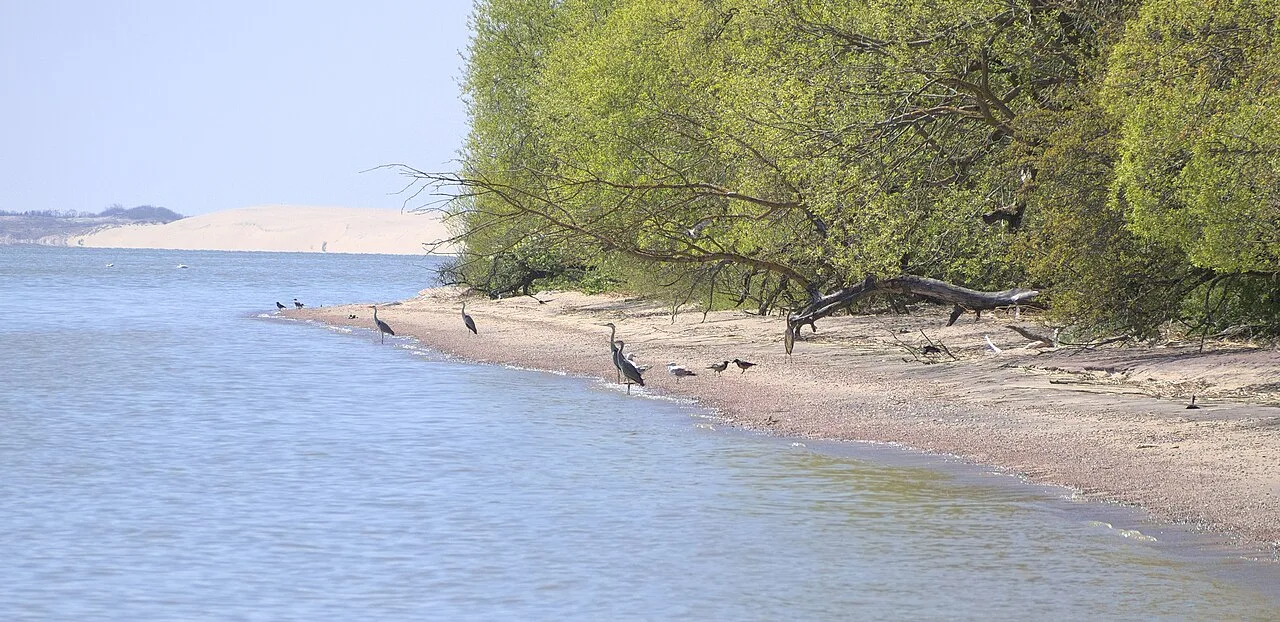
Curonian Spit National Park occupies the southern 41 km of a narrow sandy strip separating the salt-water Baltic Sea to the west from the freshwater Curonian Lagoon to the east. The spit varies from 400 m to 4 km wide, with beaches and dune ridges alongside wetlands, meadows and woodland. At Mueller Height, the wooded Bruchberg dune rises above Lake Chaika and meadows dotted with copses. Open sand meets wooded slopes here, and from the crest the sea and lagoon are visible on opposite sides of the dunes.
Read more
The spit’s sandy body accumulated on glacial moraine: a retreating glacier left its foundation about 15,000 BCE, and wind and sea then built the dunes. Moving sand threatened the forests, so foresters worked to stabilise it. Efa Height takes its name from the highest point of the Orekhovaya Dune, which reaches 55 m, and commemorates Franz Wilhelm Efa, a forester who studied and stabilised shifting sands.
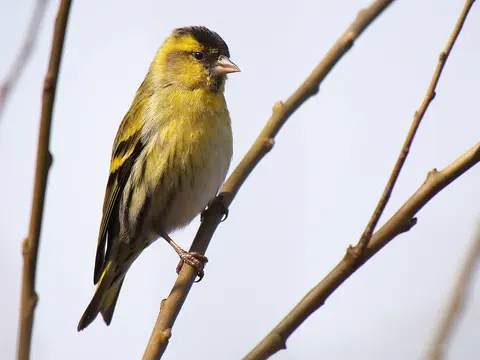
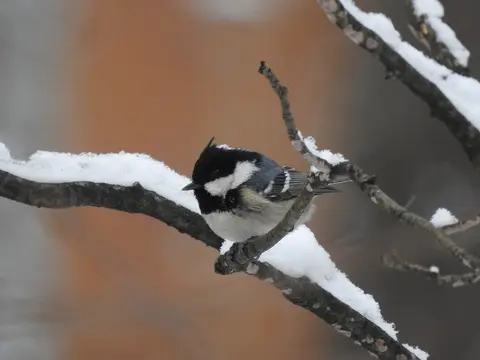
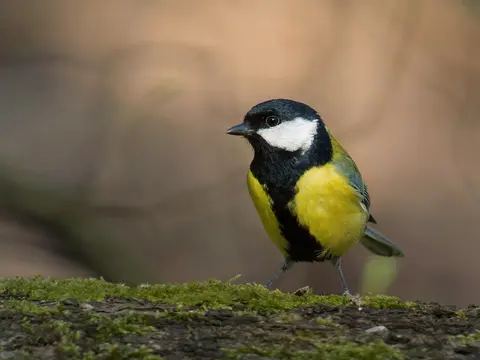
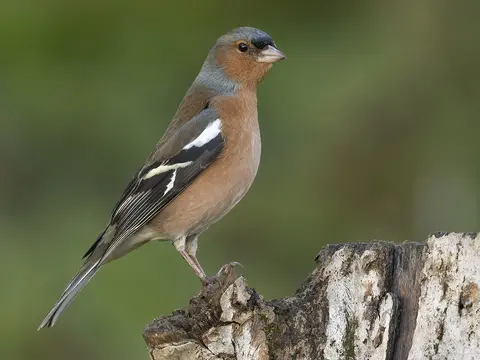
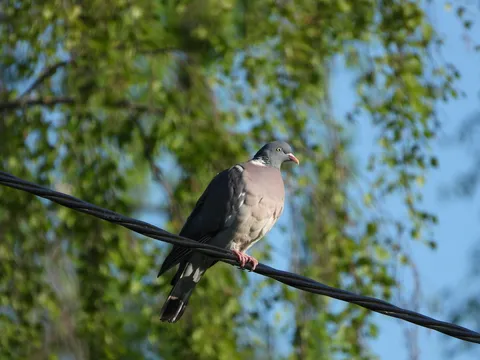
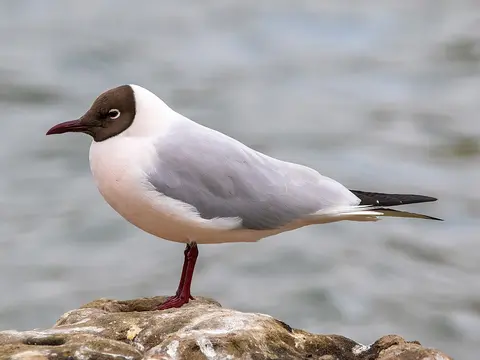
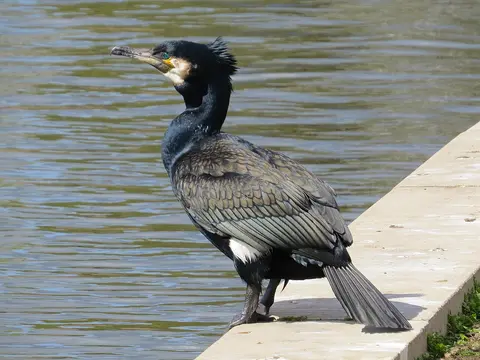
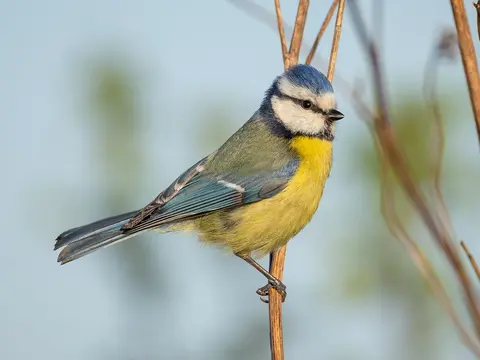
The spit lies on migratory birds’ routes, and in 1901 Johannes Thienemann founded the Rossitten Ornithological Station here to ring birds and study migration. The common chaffinch, the spit’s most widespread bird, gives its Latin name to the Fringilla field station. Birds recorded nearby include the Eurasian siskin, great tit, common chaffinch, great cormorant and black-headed gull.
When there are more birds
October — 90 species
- Winter
- Spring
- Summer
- Autumn
Getting there
Directions on the map you prefer