Birds of Biryulyovskiy dendropark
Link copied.
Rarely recorded

- Species
- ≈ 109 species Source, Species: Community observations: eBird and GBIF
- Best time
- May–June Source, Best time: Months with the most species, across all years of observations
- ≈ 109 species Source, Species: Community observations: eBird and GBIF
- May–June Source, Best time: Months with the most species, across all years of observations
- 1938 Source, Founded: Checked by the HeyBird editors
Birds in October
All birds
October




About the park
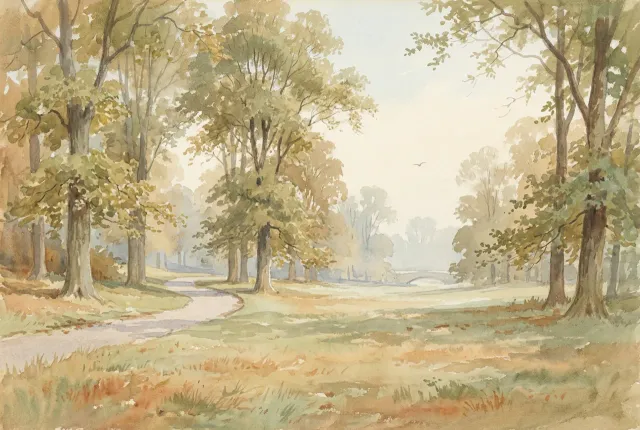
The sakura grove occupies the highest point in Biryulyovskiy dendropark; the lowest lies where Biryulyovsky Stream flows into Cherepishka, and the difference in elevation reaches 20 metres. The ground generally slopes down from east to west and from south to north, and the whole park lies in the Yazvenka basin. Ravines cut by the stream and its tributaries cross the land. Three ponds have been made along Biryulyovsky Stream, with another in the central ravine. The park includes 33 hectares of naturally occurring tree stands, mostly birch, alongside its collection plantings. Glades with ornamental shrubs also occur here; in the original layout, meadow lawns or ornamental perennial plantings separated groups of plants.
Read more
Before the arboretum was established, this area was called Pozharnaya Pustosh, a name found in eighteenth-century inventories and pre-war maps. In 1938, the dendrologist Vsevolod Porozov laid out a stock garden here, intended as both a nursery and a site for selecting tree species able to withstand Moscow’s temperate climate. The methods developed for growing them were meant to contribute to the planting of city greenery. At the outset, about 20 hectares were cleared, ploughed and fertilised, with lupin used as a green manure. Saplings were raised in a nursery on the site from seeds and cuttings; imported planting material was generally not used. From the beginning, the arboretum therefore served as a place to develop ways of growing trees and shrubs in Moscow’s conditions as well as a collection.
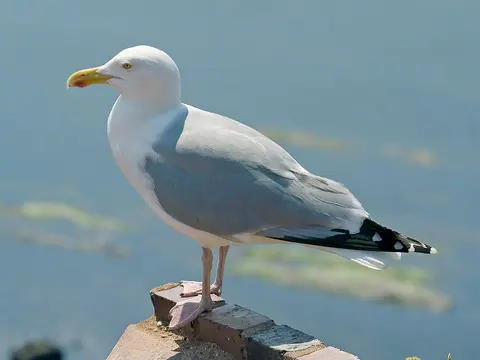
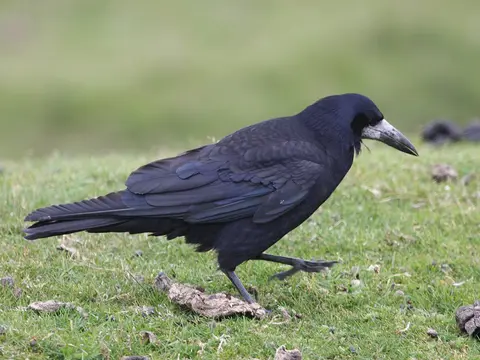
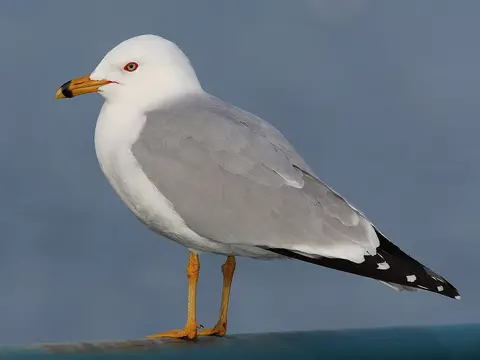
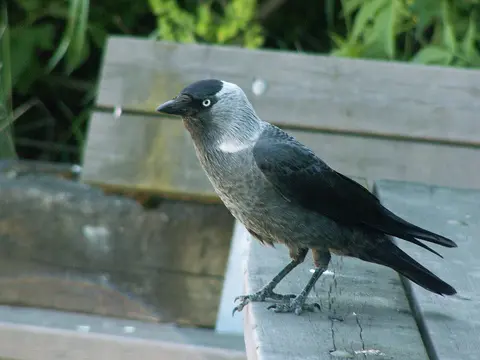
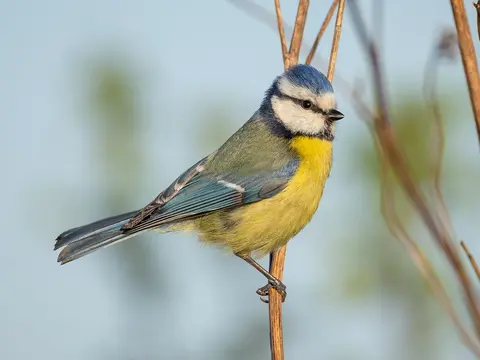
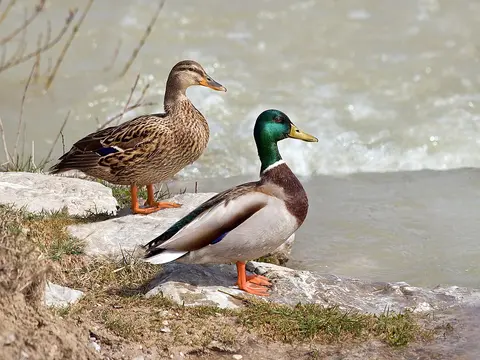
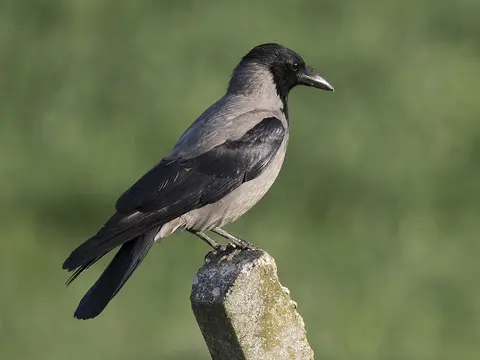
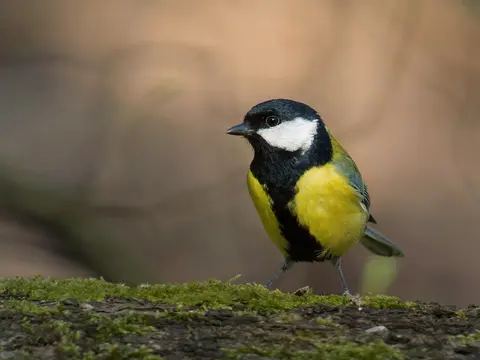
Birds recorded nearby include the ruddy shelduck, great tit, hooded crow, Eurasian blue tit and fieldfare.
When there are more birds
October — 34 species
- Winter
- Spring
- Summer
- Autumn
Getting there
Directions on the map you prefer