Birds of Losiny Ostrov National Park
Link copied.
Rarely recorded


- Species
- ≈ 167 species Source, Species: Community observations: eBird and GBIF
- Best time
- April–July Source, Best time: Months with the most species, across all years of observations
- ≈ 167 species Source, Species: Community observations: eBird and GBIF
- April–July Source, Best time: Months with the most species, across all years of observations
- 1983 Source, Founded: Checked by the HeyBird editors
Birds in October
All birds
October




About the park
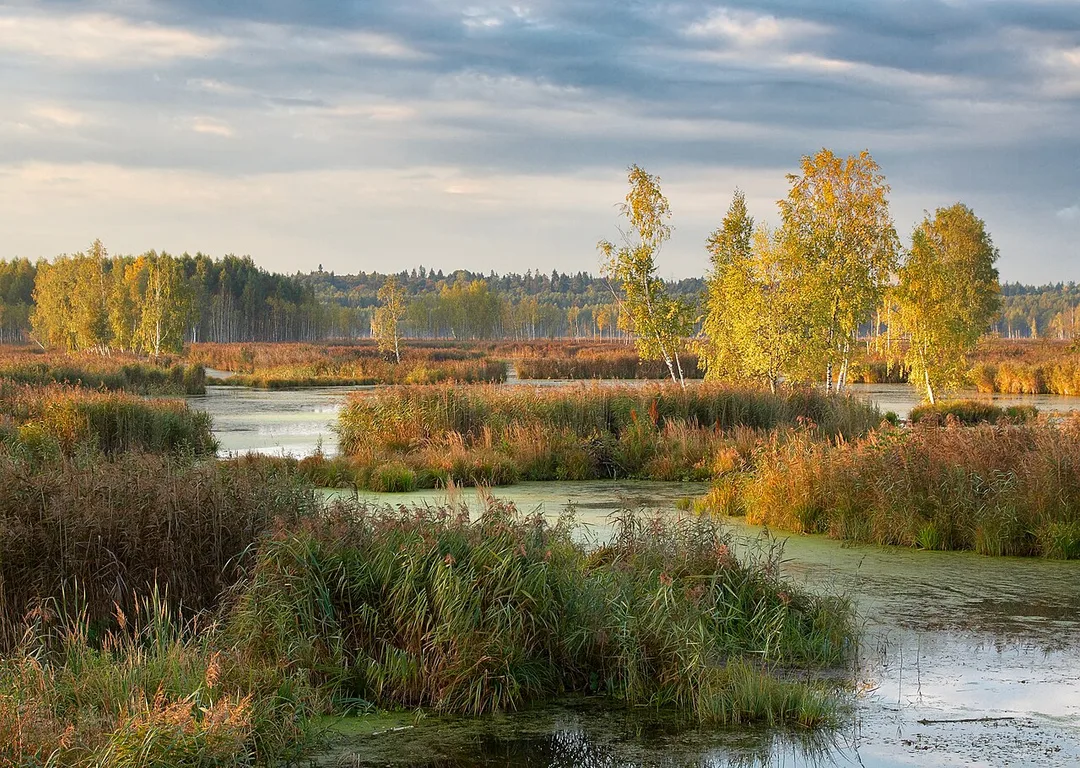
Losiny Ostrov lies where the Meshchera Lowlands meet the southern spurs of the Klin-Dmitrov Ridge, on the watershed between the Moskva and Klyazma rivers. The Yauza and Pekhorka rise here, and small rivers and streams, including the Ichka and Budayka, feed into the Yauza. Most of the terrain is a gently undulating plain, between 146 metres above sea level in the Yauza floodplain and 175 metres at its highest points. In the south-west, terraces above the floodplain have steeper slopes than the level ground in the park’s centre. In 2001, forest covered 83 per cent of the area, with bogs accounting for 5 per cent and water for 2 per cent; woodland, marsh and river shallows lie close together.
Read more
The name’s “island” refers to a woodland tract among cultivated land; “pogonny” derives from the Russian word for a hound hunt, while “losiny”, meaning moose, recalls the large game pursued by the tsars. The area is known from 1406, and in 1564 Ivan IV hunted here. Systematic forestry began in the 19th century: the first inventory, in 1842, found that spruce made up 67 per cent of the forest. From 1844, forester Vasily Greshner organised seeding and planting, mainly of pine, work that continued for about 115 years. The present predominance of birch and pine reflects that long succession of forest generations. Most of the forest was felled during the Second World War, and restoration began in 1944.
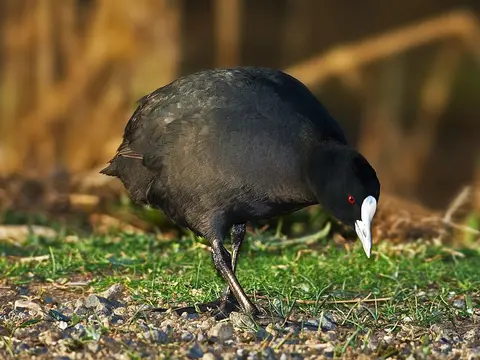
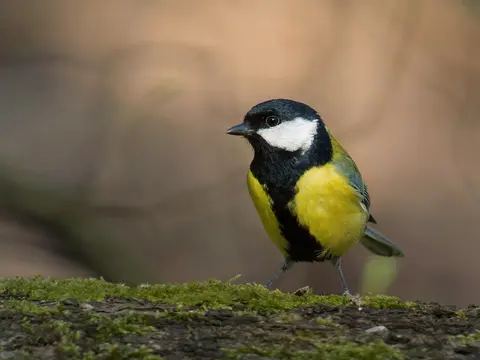
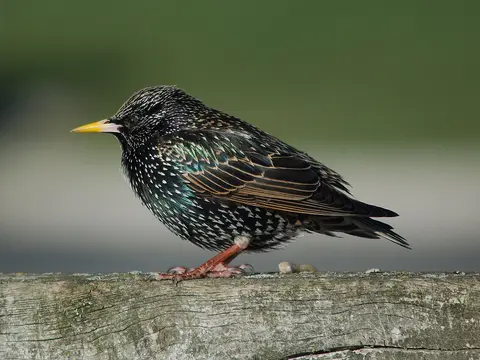
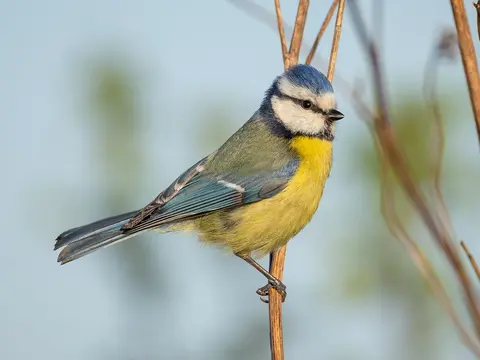
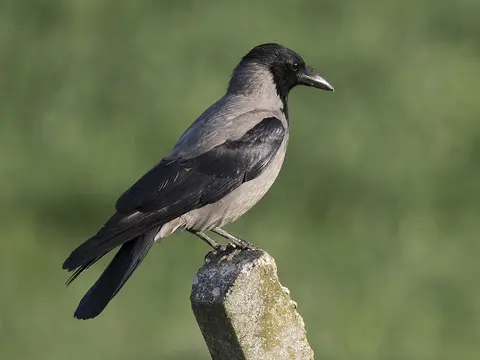
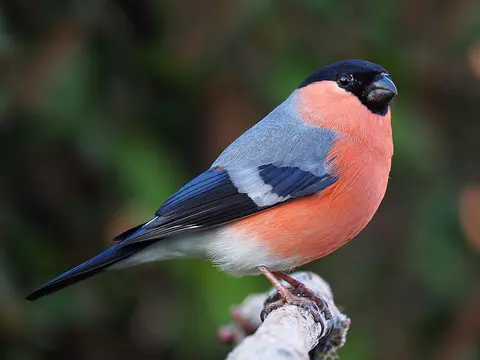
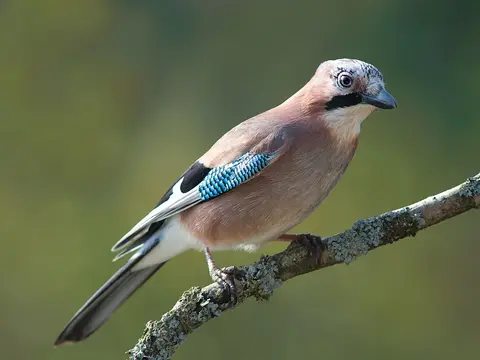
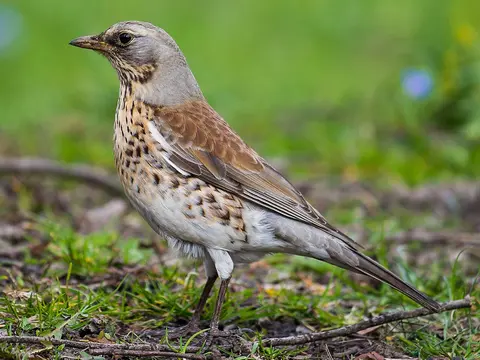
More than 160 bird species have been recorded in the park. Those listed in the Russian Red Data Book include the great grey shrike, white-tailed eagle, osprey and azure tit. A birdwatching tower at Chugunny Bridge in Mytishchi overlooks shallows and reedbeds; the site is of particular interest during spring and autumn migration. Birds recorded nearby include the great tit, mallard, Eurasian blue tit and Eurasian coot.
When there are more birds
October — 73 species
- Winter
- Spring
- Summer
- Autumn
Getting there
Directions on the map you prefer


