Birds of Izmaylovsky Park
Link copied.
Rarely recorded
- Species
- ≈ 154 species Source, Species: Community observations: eBird and GBIF
- Best time
- April–September Source, Best time: Months with the most species, across all years of observations
- ≈ 154 species Source, Species: Community observations: eBird and GBIF
- April–September Source, Best time: Months with the most species, across all years of observations
Birds in October
All birds
October


About the park
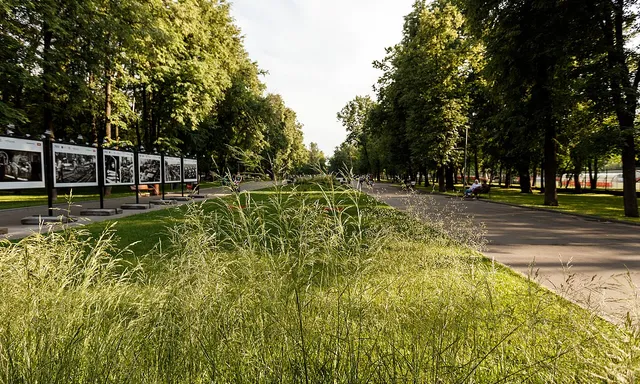
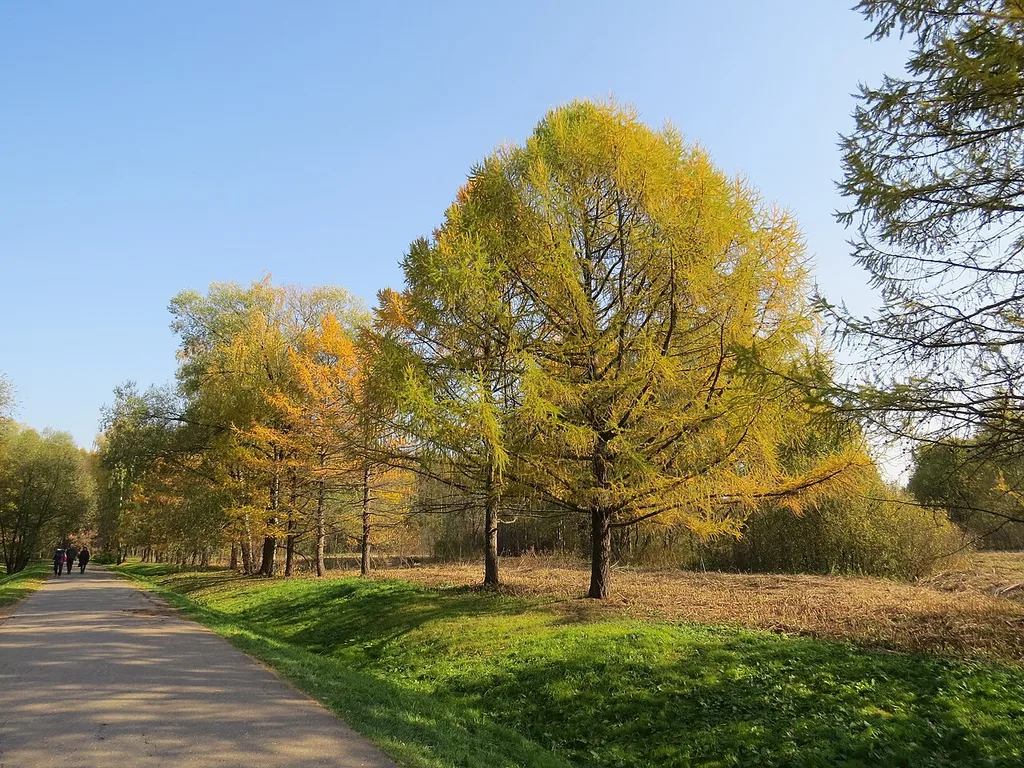
The Serebryanka runs through a broad floodplain of flowering meadows, extensive black alder woodland and low-lying marshes; its valley is described as the least disturbed river valley in Moscow. The woodland changes across the park: light birch groves predominate in the north, while oak and lime forests grow nearer Entuziastov Highway. Larches aged 120–140 years stand beside western paths and near Tsarskaya Apiary, and willows edge some of the ponds. Floodplain, open meadow and woodland meet within the Serebryanka basin, which holds a chain of Izmaylovsky and Terletsky ponds.
Read more
In 1663, Izmaylovo became the country residence of Tsar Alexei Mikhailovich. The Serebryanka was dammed at several points to create ponds; Serebryany and Vinogradny ponds enclosed an island where the Sovereign’s Palace stood. The estate also had fruit and apothecary gardens, where unusual plants were grown, as well as greenhouses and mills. Peter I used the grounds for military games, and some of the earthen redoubts built for them remain. A dam on the Serebryanka held back Prosyansky Pond, where Peter tested the boat St. Nicholas, which he had found at Izmaylovo; the pond is now drained. An experimental apiary opened here in 1865 and became an important centre for Russian beekeeping.
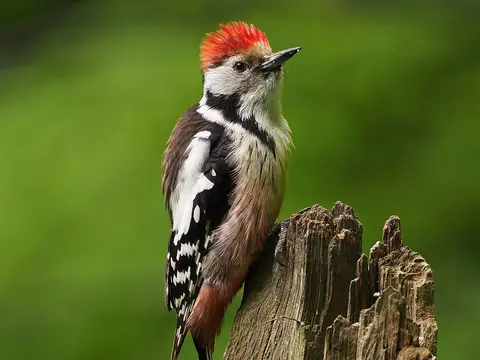
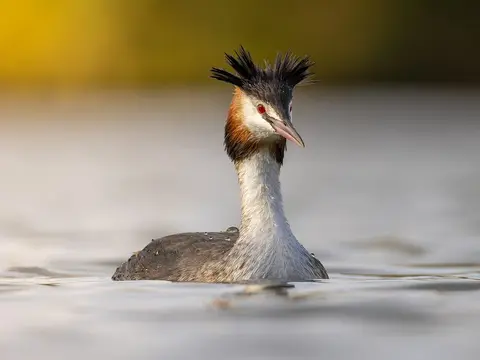
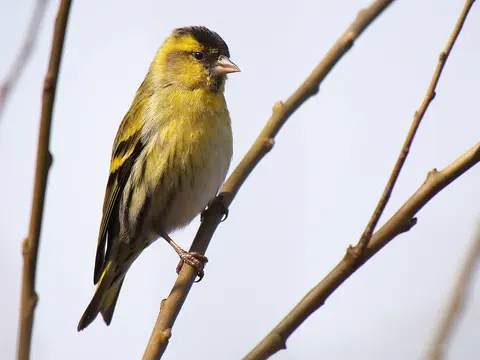
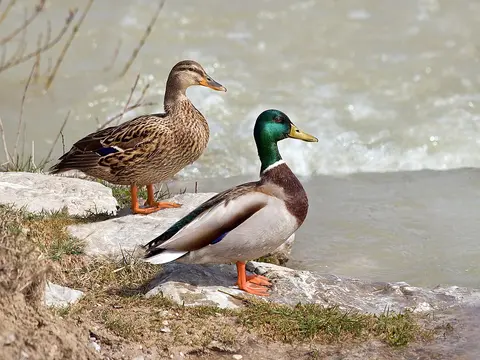
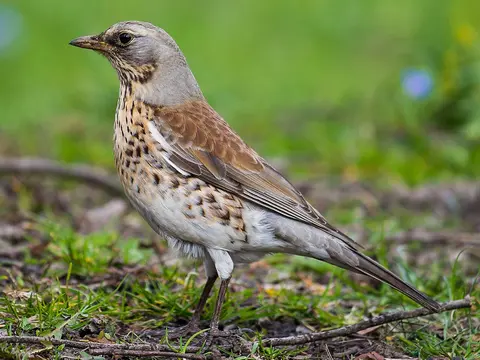
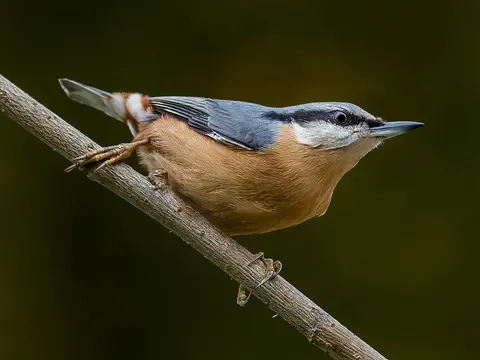
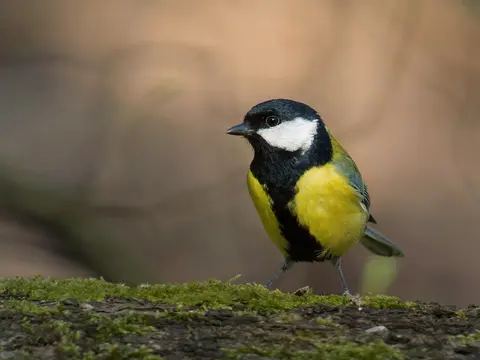
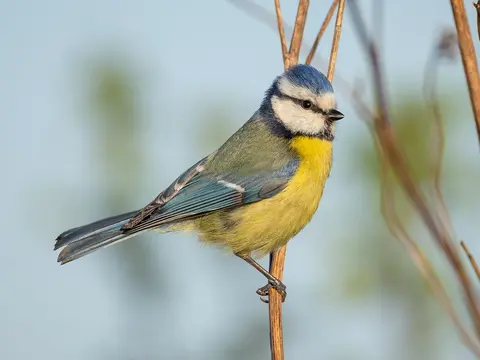
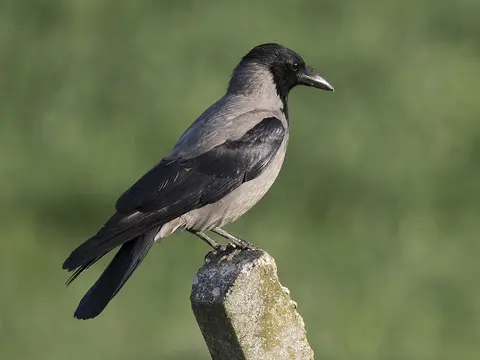
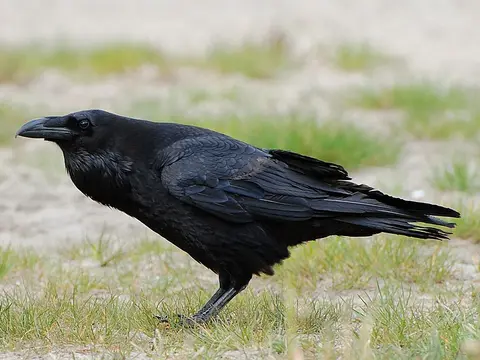
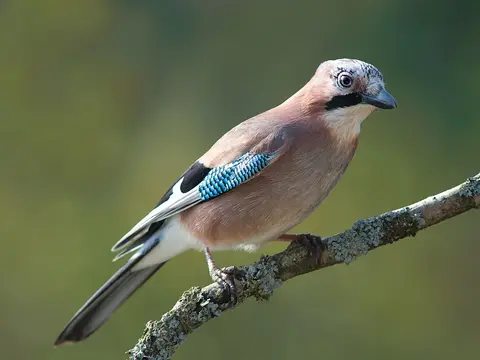
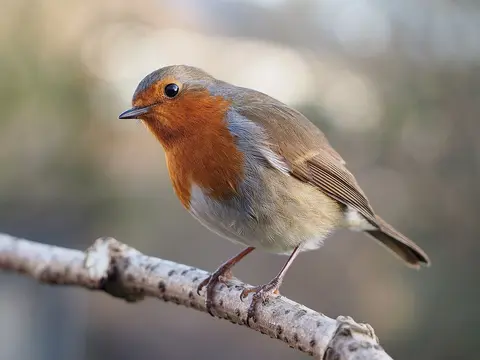
More than 100 bird species have been recorded in the nature and historical park, and 75 species nest and raise young there. Those named for the park include goshawk, sparrowhawk, long-eared owl, tawny owl, black woodpecker and white-backed woodpecker. Birds recorded nearby include great tit, Eurasian blue tit, hooded crow, mallard and Eurasian nuthatch.
When there are more birds
October — 71 species
- Winter
- Spring
- Summer
- Autumn
Getting there
Directions on the map you prefer