Birds of Semyonovskoe
Link copied.
Rarely recorded
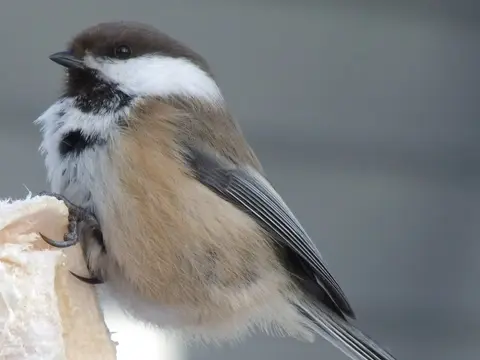
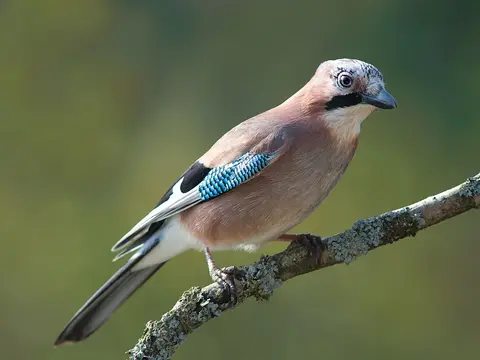
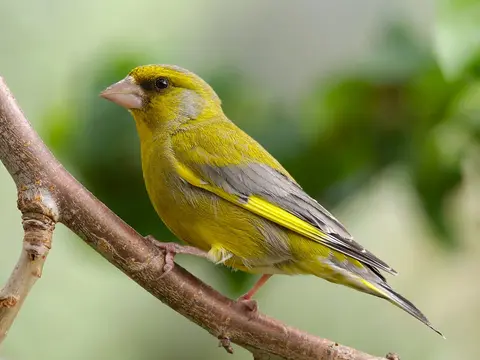
- Species
- ≈ 131 species Source, Species: Community observations: eBird and GBIF
- Best time
- May–July Source, Best time: Months with the most species, across all years of observations
- ≈ 131 species Source, Species: Community observations: eBird and GBIF
- May–July Source, Best time: Months with the most species, across all years of observations
Birds in October
All birds
October
Within 10 km
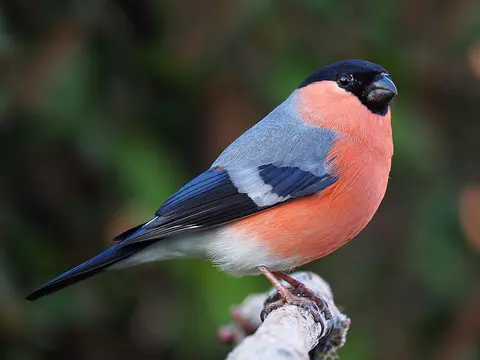
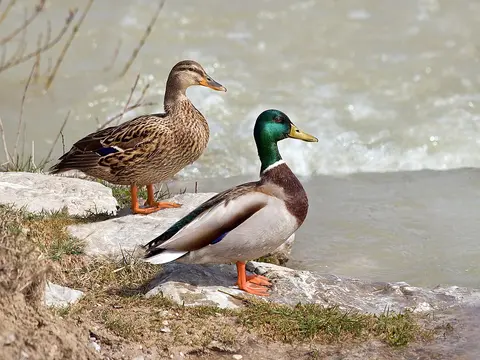
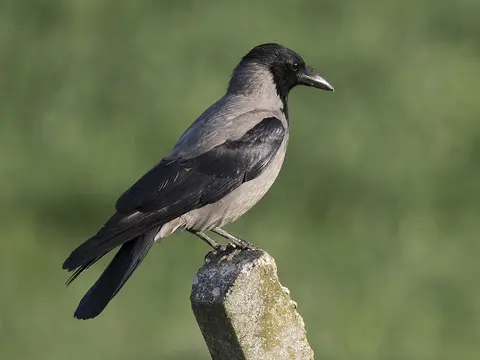


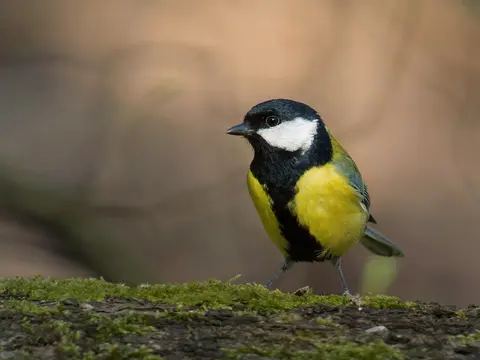
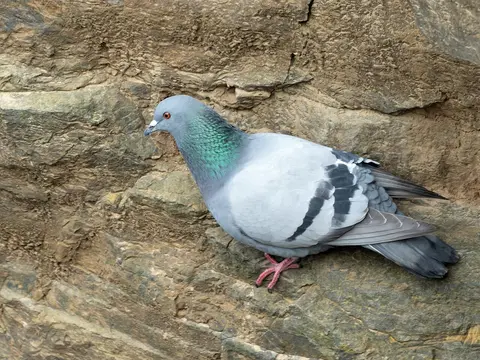


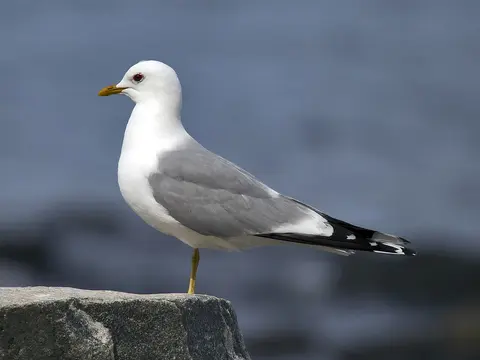
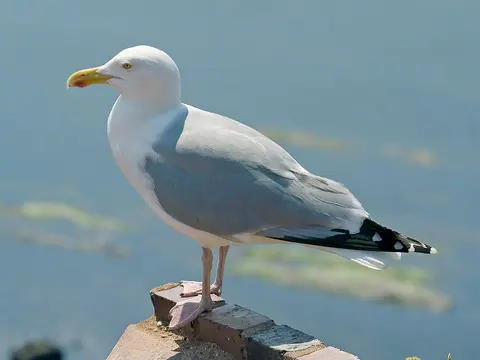
About the lake
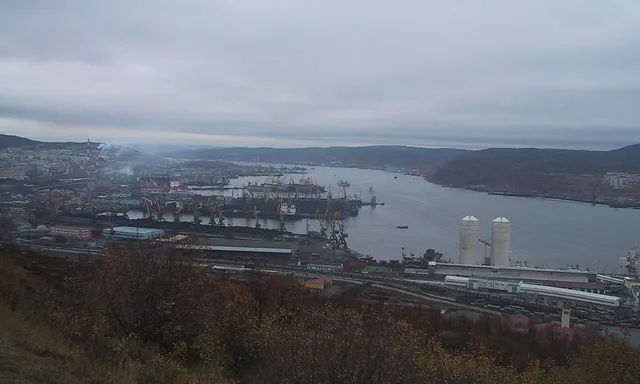
In northern Murmansk, Lake Semyonovskoye has two reaches joined by a narrow channel: one broad and deep, the other narrow and shallow. The natural lake covers 0.213 km², with an average depth of 2.4 m and a maximum of 11.3 m. Low, rocky shores meet a distinct sandy, silty littoral zone. Ice forms from November and remains until the end of May; ice and snow together can exceed a metre in thickness. The lake lies 98 m above sea level.
Read more
According to local legend, the lake’s name comes from the fisherman Semyon Korzhov, also called Korzhnov, who lived on the shore of Green Cape on Kola Bay. Nearby, Baran'y Lob is a geological natural monument of federal importance, an asymmetrical, rounded outcrop of Archean granite. The urban setting is also reflected in the lake’s chemistry: mineralisation reaches 73 mg/l, almost four times the background level for lakes in Murmansk Oblast. The higher salt content is linked to urbanisation across the area that drains into the lake. Scientists have studied Semyonovskoye since 2018, and elevated concentrations of heavy metals and petroleum hydrocarbons have been found in the upper layers of its bottom sediments.
Birds recorded nearby include the black-headed gull, common eider and Bohemian waxwing.
When there are more birds
October — 52 species
- Winter
- Spring
- Summer
- Autumn
Getting there
Directions on the map you prefer