Schepkinskiy les
Link copied.
Rarely recorded
- Species
- ≈ 137 species Source, Species: Community observations: eBird and GBIF
- Best time
- April–June Source, Best time: Months with the most species, across all years of observations
- ≈ 137 species Source, Species: Community observations: eBird and GBIF
- April–June Source, Best time: Months with the most species, across all years of observations
Birds in October
All birds
October
Within 10 km


About the forest
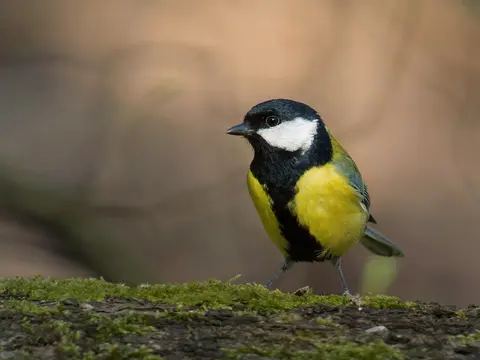
Schepkinsky Forest occupies the site of Schepkinskaya Gully on the north-eastern edge of Rostov-on-Don, and is the city’s largest man-made forest plantation. The level terrain is formed from accumulated deposits, and the forest extends about 4 km from north to south and 4–4.5 km from west to east. Its waters have several different origins: there are two quarries, one now flooded, a still-water pond in the centre, and an artificial lake to the east, formed by tributaries of the Bolshaya Kamyshevakha and Temernik rivers. The flooded quarry holds Prussian carp, monkey gobies and crayfish.
Read more
Tree planting began near Shchepkino village at the start of the 20th century. Later, the reserve was conceived as a place to breed different kinds of animals, but the scheme failed and the work was abandoned, leaving the woodland behind. During the Second World War, while the forest was still small, Soviet troops used it to build defensive works on the approaches to Rostov; Soviet partisans also operated there until 1943. A large defensive trench built during the defence of Rostov-on-Don crosses the northern part of the forest, running from Krasny Krym towards Kovalyovka. Remains of trenches, communication trenches and concrete-and-earth structures also survive there.
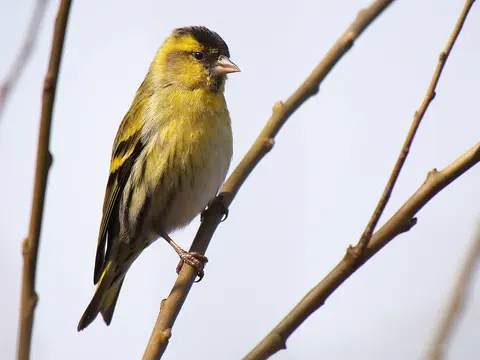
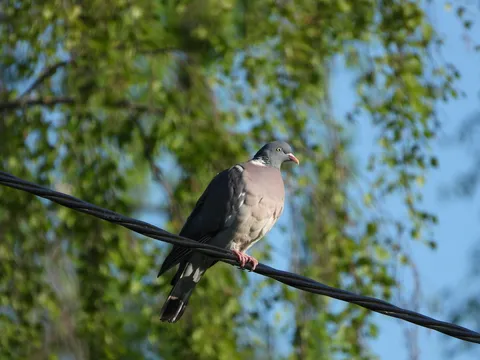
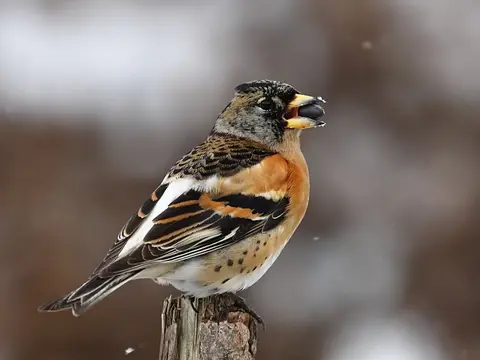
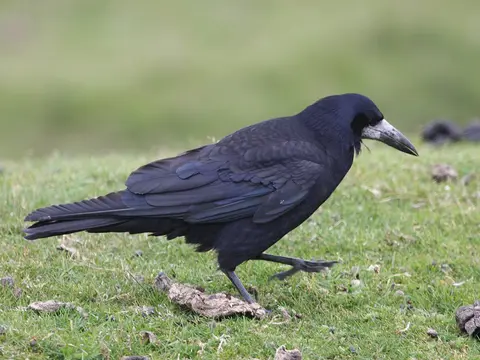
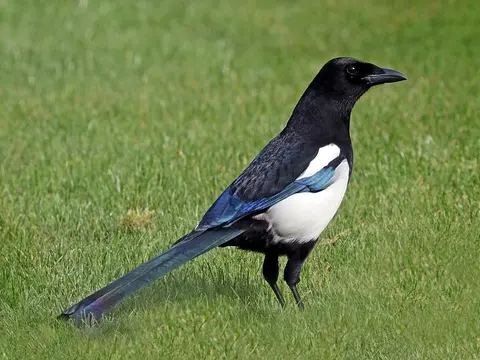
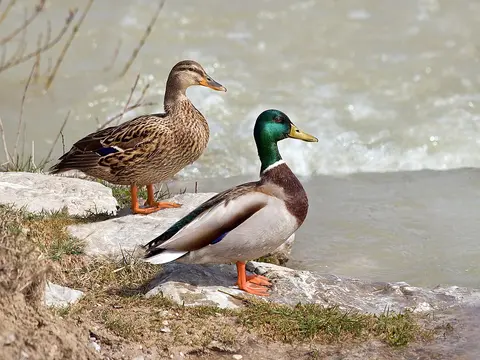
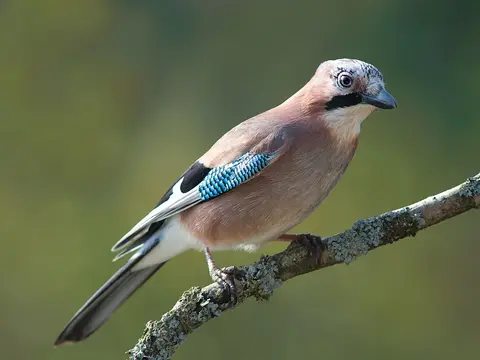
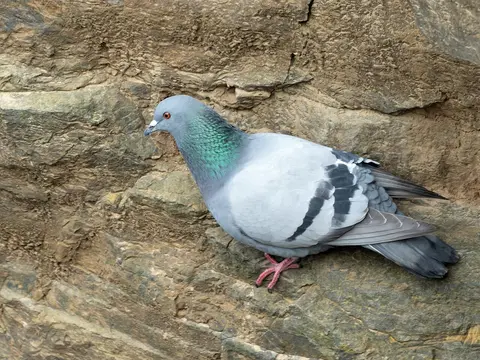
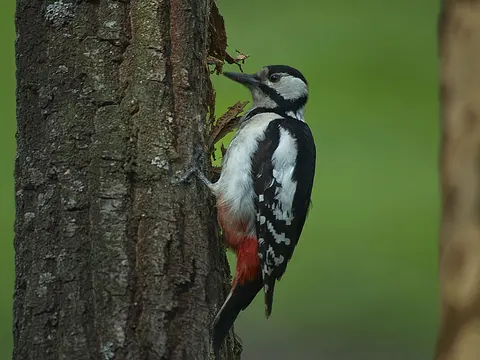
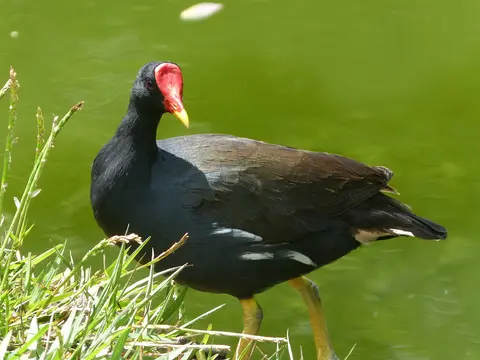
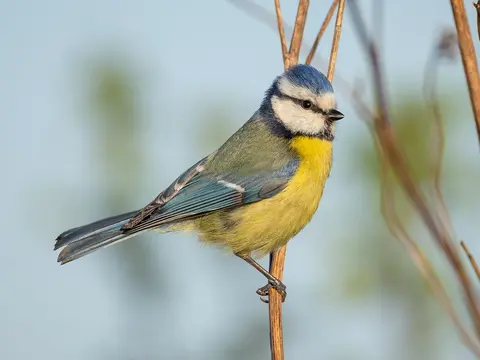
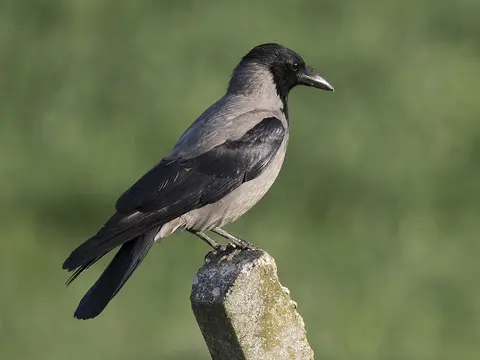
From 1998 to 2002, 170 bird species were recorded in the forest. Birds recorded nearby include the Eurasian coot, great crested grebe and barn swallow.
When there are more birds
October — 43 species
- Winter
- Spring
- Summer
- Autumn
Getting there
Directions on the map you prefer