Birds of Lower Park
Link copied.
Rarely recorded
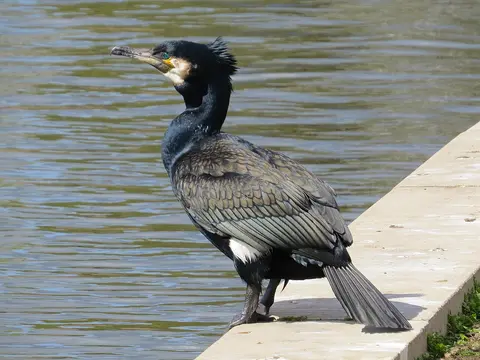
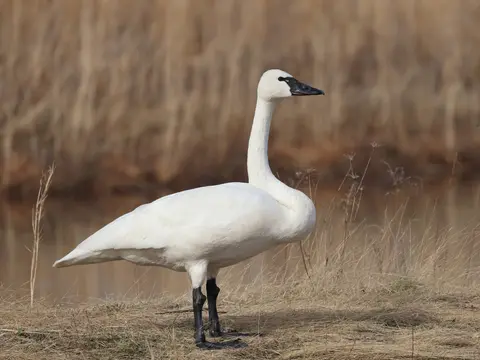

- Species
- ≈ 123 species Source, Species: Community observations: eBird and GBIF
- Best time
- April–June Source, Best time: Months with the most species, across all years of observations
- ≈ 123 species Source, Species: Community observations: eBird and GBIF
- April–June Source, Best time: Months with the most species, across all years of observations
- 1710 Source, Founded: From Wikidata
Birds in October
All birds
October
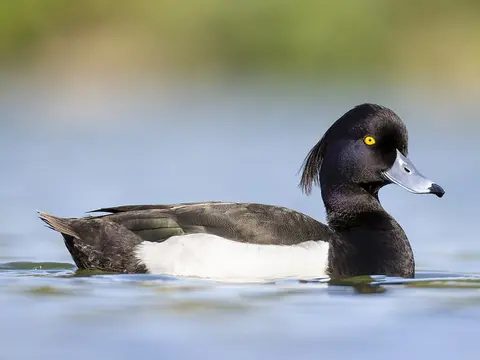


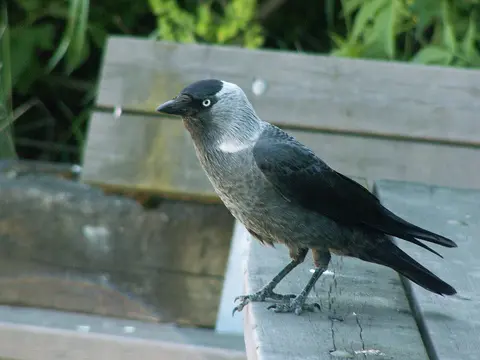



About the park
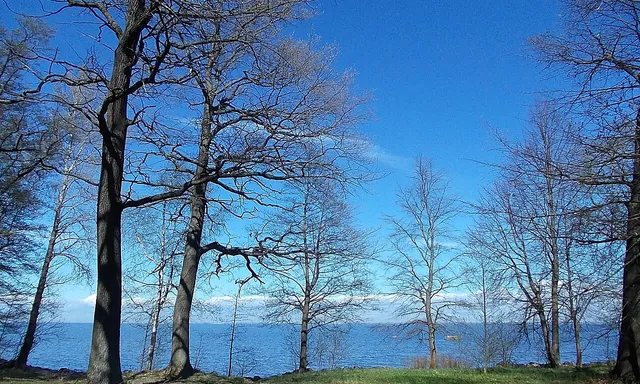
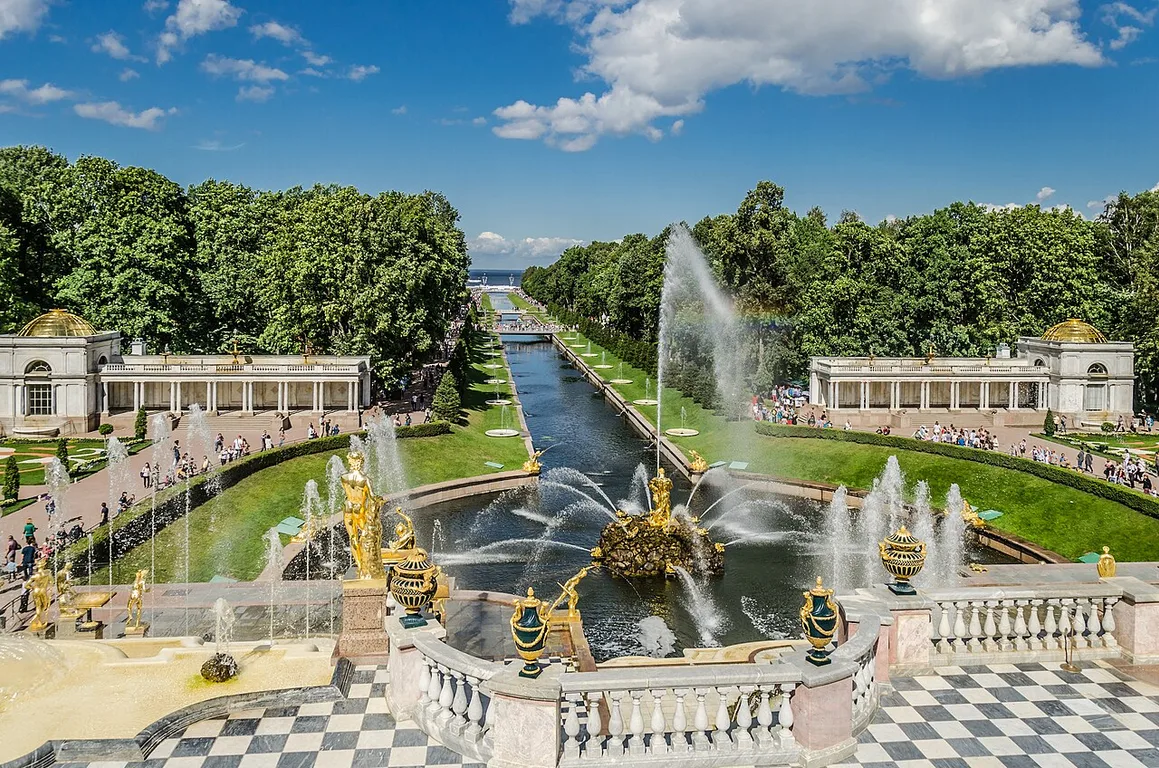
Lower Park forms an elongated triangle along the Gulf of Finland, stretching 2.5 kilometres from west to east and measuring about 500 metres from north to south. Between the palace and the shore, open water and ponds set within the park alternate. In the west, Marly Palace stands on an artificial strip of land between the large Marly Pond and the Sectoral Ponds. A high embankment to its north shelters the palace and Marly Garden from winds off the Gulf. In the east, the Chess Mountain cascade descends the slope of a terrace to a round basin.
Read more
The park’s layout took shape in stages. I. F. Braunstein laid its foundations in 1710–1711, and in February 1717 J. B. Le Blond presented a Water Plan for fountains and cascades. Many were built in summer 1721 to N. Michetti’s programme; the central ensemble was substantially altered in 1723, and the layout was not finalised until the 1770s. The coastal position also shaped the palace history: Monplaisir was built directly on the Gulf shore between 1714 and 1723, and Peter I regarded it as his favourite palace. The Samson fountain in the central part of the park was installed in 1735. Its image is associated with victory at Poltava and the Swedish coat of arms. The original statue was lost during the Second World War; the restored ensemble, with a gilded figure, opened on 14 September 1947.
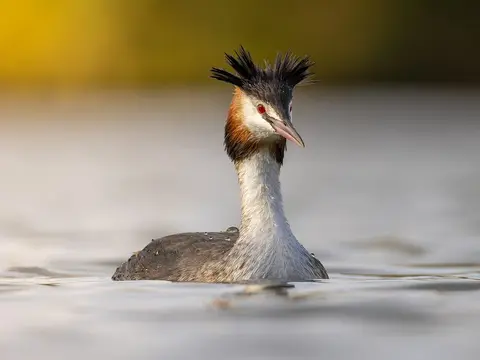
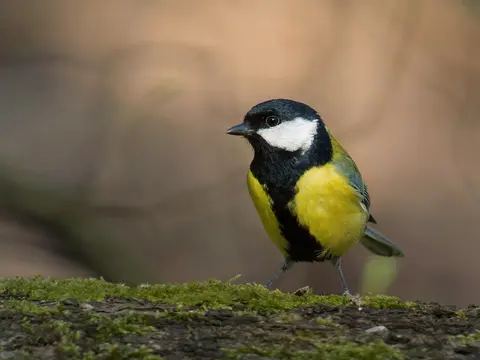
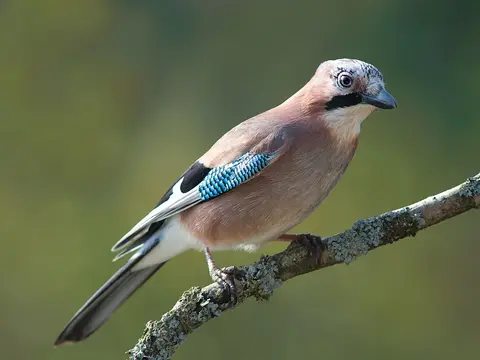
Birds recorded nearby include the mallard, hooded crow, great tit, black-headed gull and European herring gull.
When there are more birds
October — 44 species
- Winter
- Spring
- Summer
- Autumn
Getting there
Directions on the map you prefer