Birds of park Aleksandriya
Link copied.
Rarely recorded


- Species
- ≈ 179 species Source, Species: Community observations: eBird and GBIF
- Best time
- April–August Source, Best time: Months with the most species, across all years of observations
- ≈ 179 species Source, Species: Community observations: eBird and GBIF
- April–August Source, Best time: Months with the most species, across all years of observations
Birds in October
All birds
October
Within 10 km





About the park
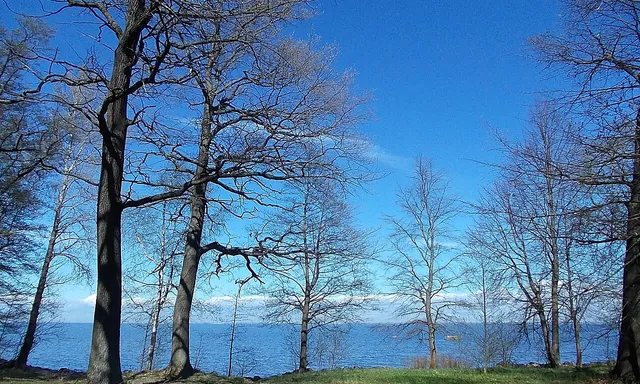
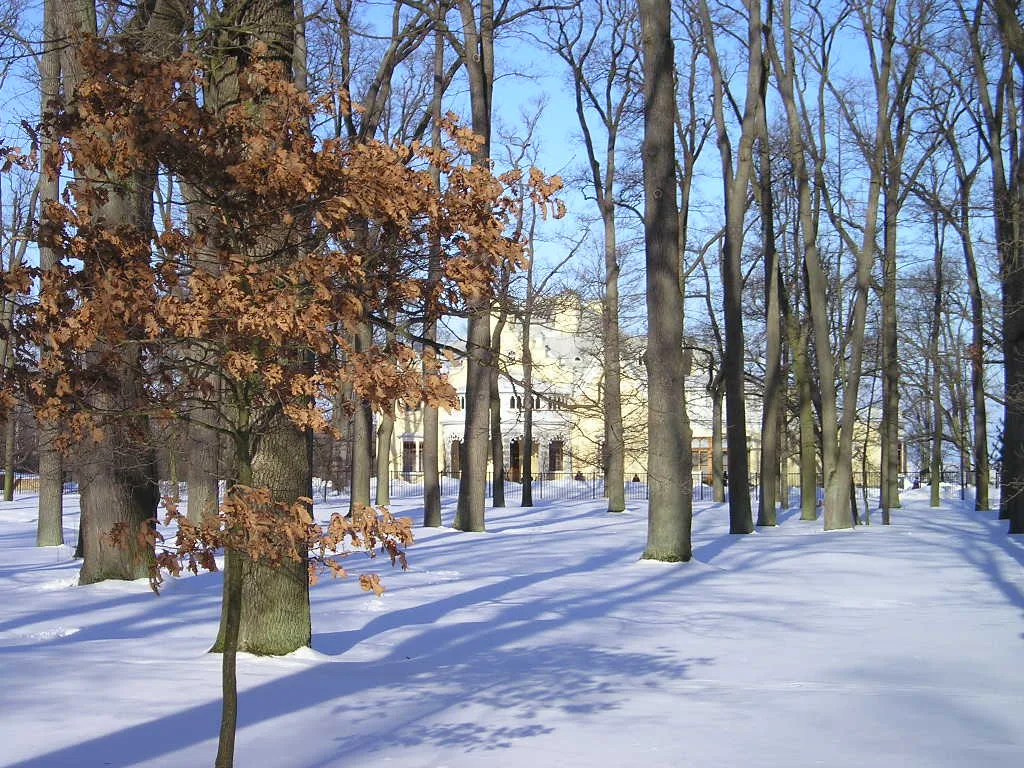
The shore of the Gulf of Finland forms Aleksandriya’s lower terrace, while the ensemble’s principal buildings stand on the upper one; the sea is visible from many points in the park. Between the terraces, rises and gentle slopes give way to a deep ravine. Open glades alternate with groups of trees and shrubs, and broad, shady avenues with narrow, winding paths. Straight Nikolskaya Alley crosses the park from west to east, dividing its coastal and upland sections, and reaches Bolshoy Pond, where several avenues converge. The changing ground alters the view along the way: paths cross higher ground and run beside the ravine slope.
Read more
In the eighteenth century, these lands were not yet a single park: Peter I granted them to four owners for country houses. In 1733, a hunting park called Yagd-Garten was established here, and animals including deer and tigers were brought in. A gamekeepers’ settlement and animal enclosures occupied the upper part; below stood the Tempel pavilion, from which the empress shot animals released from the enclosures and driven by dogs. When Tsarskoye Selo became the summer residence, the hunting grounds fell into decline. By the end of the century the area was known as the Deer Menagerie, and part of it served as pasture and vegetable gardens for the Life Guards Dragoon Regiment. In 1825, Nicholas I gave the estate to his wife, Alexandra Feodorovna, and work on the park began the following year. For about twenty years, garden master Pyotr Erler shaped the landscape park, making use of its changes in elevation and open ground.
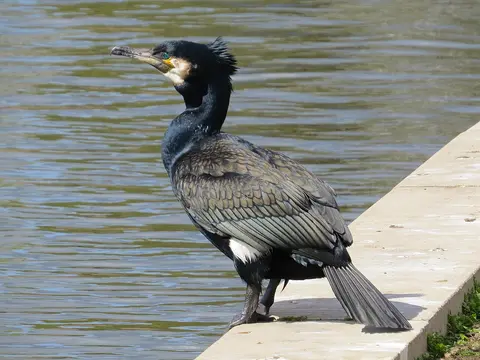
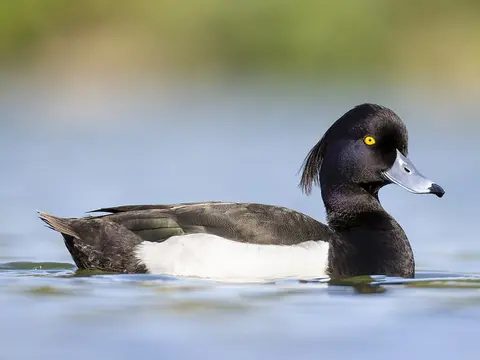
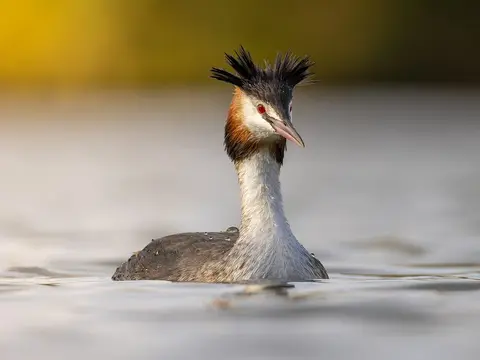
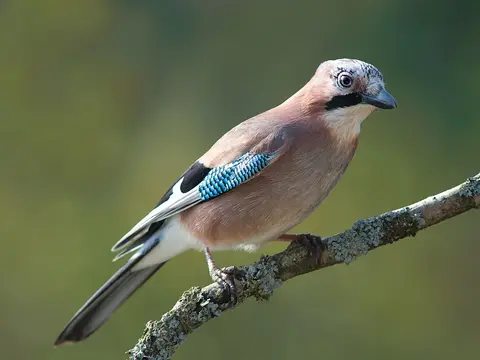
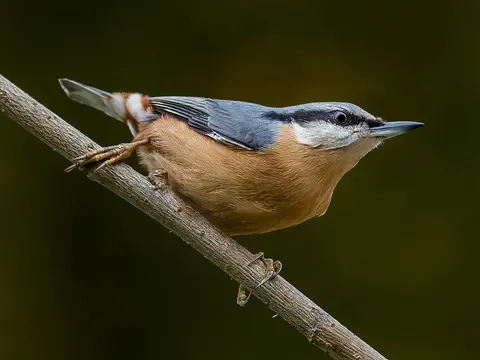
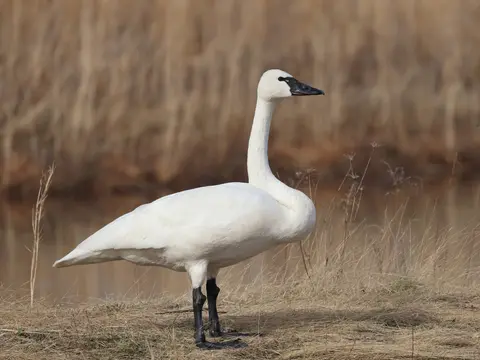
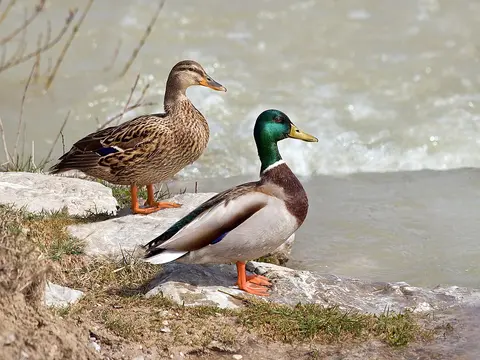
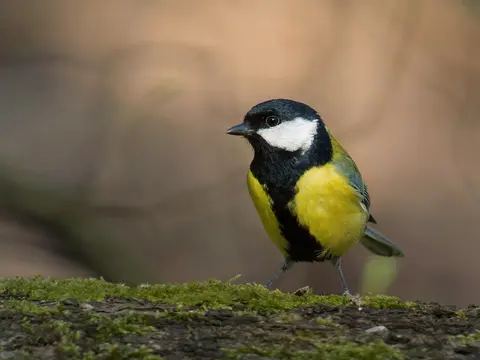
Mallards, great tits and European herring gulls are among the birds recorded nearby.
When there are more birds
October — 81 species
- Winter
- Spring
- Summer
- Autumn
Getting there
Directions on the map you prefer