Birds of Prioratskiy park
Link copied.
Rarely recorded

- Species
- ≈ 104 species Source, Species: Community observations: eBird and GBIF
- Best time
- May–June Source, Best time: Months with the most species, across all years of observations
- ≈ 104 species Source, Species: Community observations: eBird and GBIF
- May–June Source, Best time: Months with the most species, across all years of observations
- 1798 Source, Founded: From Wikidata
Birds in October
All birds
October

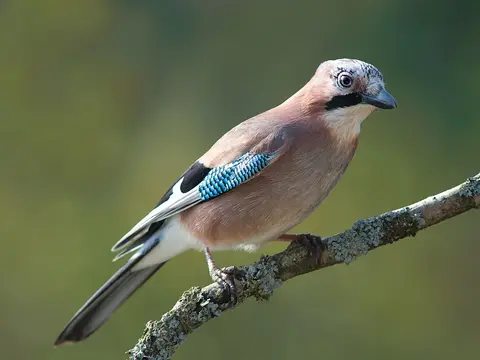
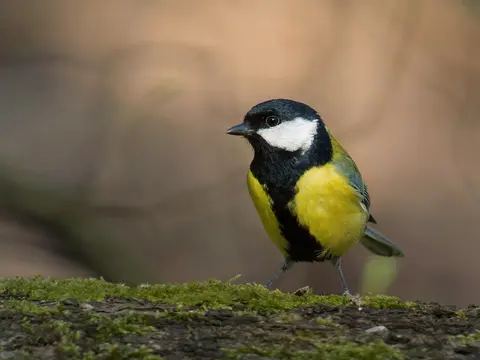
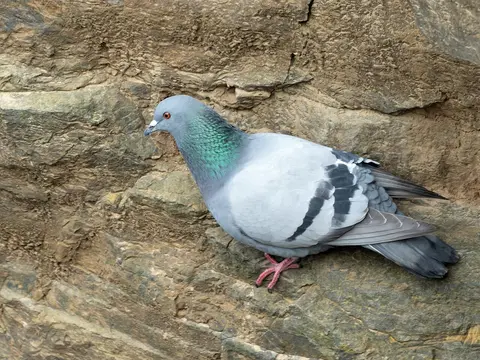

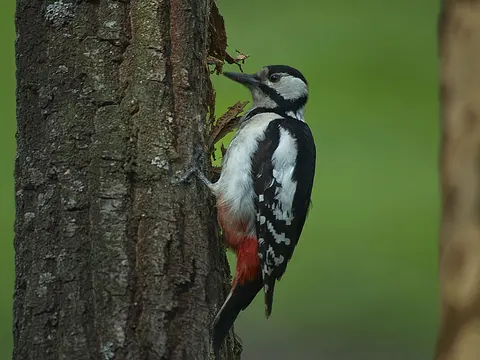
About the park
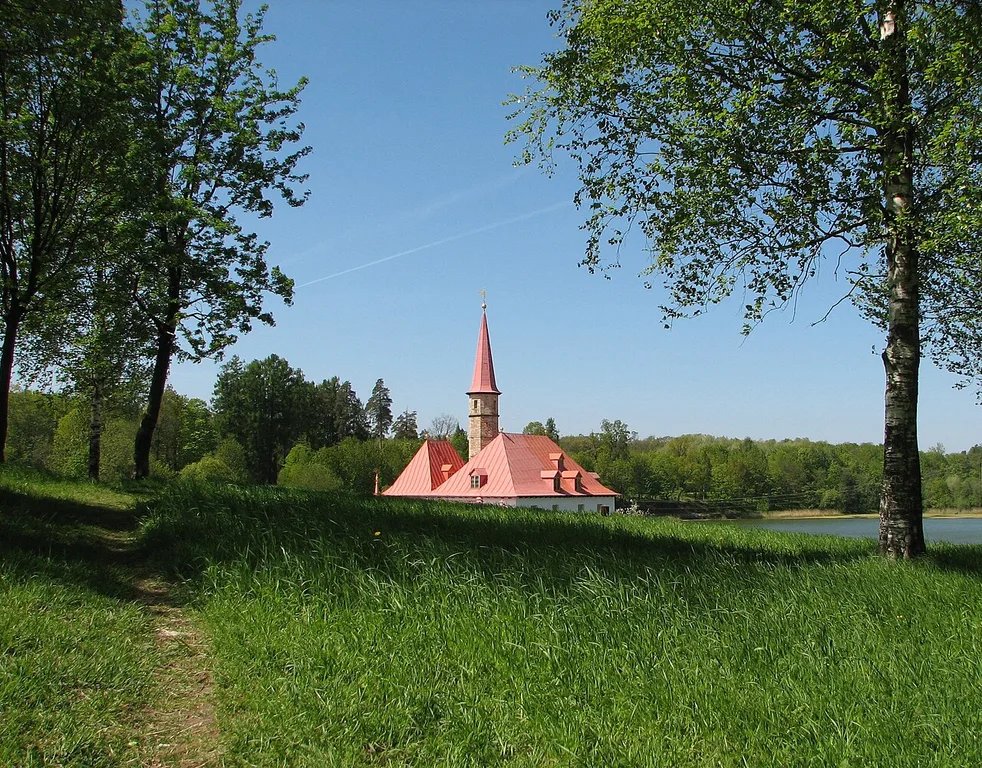
In southern Gatchina, Prioratskiy Park covers more than 154 hectares, most of them woodland. Three lakes lie among the trees: Chornoye, Shchuchye and Filkino. The park’s only large building, Prioratskiy Palace, stands on the shore of Chornoye Lake. Palace Park adjoins it to the north; Soytu Street and the railway tracks follow its eastern and southern edges, while Parkovaya Street marks the south-east. Woodland and lakes sit close to this dense urban boundary.
Read more
Until the end of the eighteenth century, the area was known as Maly Zverinets. Its present name followed the construction of Prioratskiy Palace on Chornoye Lake, commissioned by Pavel I and designed by architect Nikolai Lvov between 1797 and 1799. Work to shape the park began in 1798 under the garden master James Hacket. Chornoye Lake was deepened and cleared, and its banks reshaped; soil removed from the lake was used to make artificial islets and raise the western shore. Paths laid out in 1845–1846 survive today and extend for more than 16 kilometres in total. In the mid-nineteenth century, the lake’s banks were reinforced and trees planted. Sluices and dams were built in 1857 to drain the park. During the Second World War, many trees were felled, and the ground was pitted with bomb craters and trenches; reconstruction began in the 1970s.
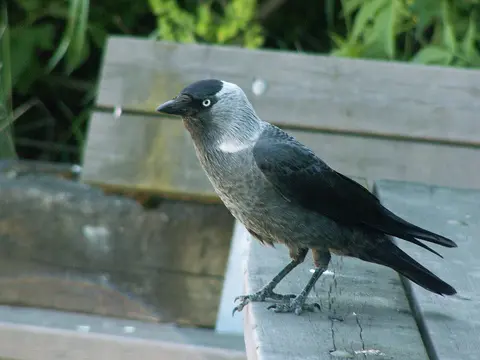
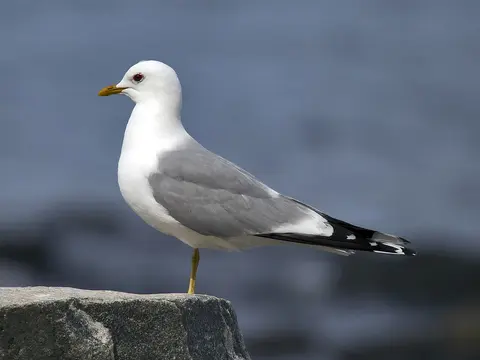
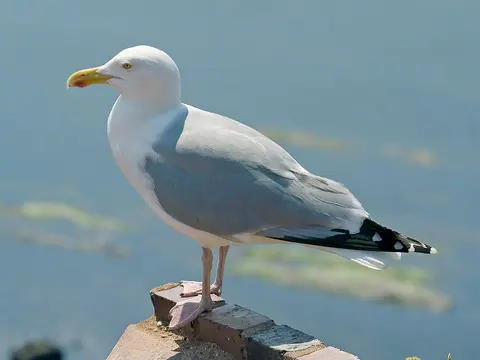
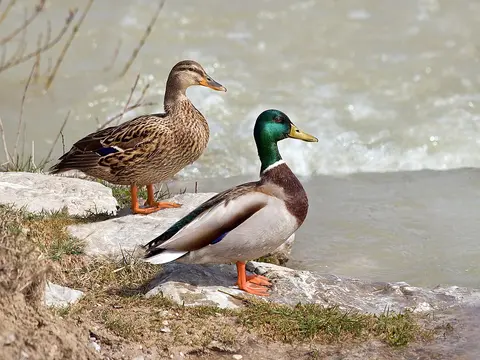
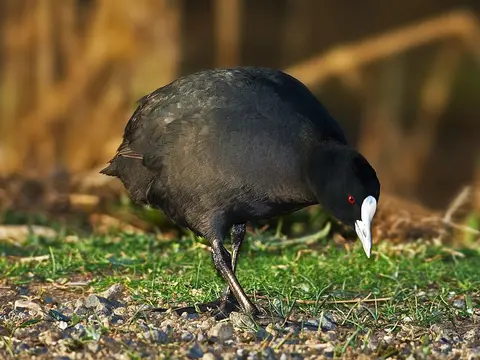
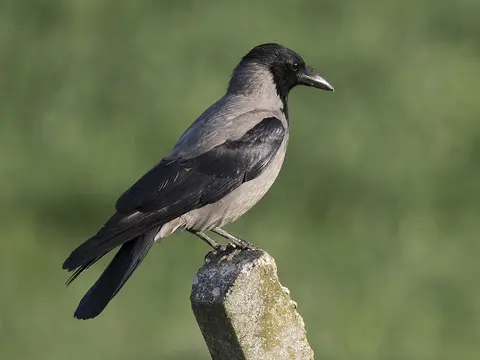
Birds recorded nearby include the European herring gull, mallard, Eurasian coot, rock pigeon and Eurasian jackdaw.
When there are more birds
October — 29 species
- Winter
- Spring
- Summer
- Autumn
Getting there
Directions on the map you prefer


