Birds of Prioksko-Terrasnyy gosudarstvennyy prirodnyy biosfernyy zapovednik
Link copied.
Rarely recorded
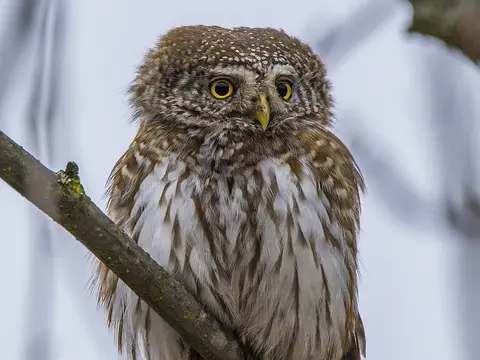
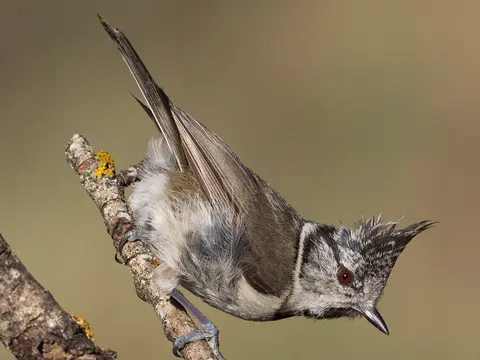
- Species
- ≈ 77 species Source, Species: Community observations: eBird and GBIF
- Best time
- June Source, Best time: Months with the most species, across all years of observations
- ≈ 77 species Source, Species: Community observations: eBird and GBIF
- June Source, Best time: Months with the most species, across all years of observations
- 1945 Source, Founded: Checked by the HeyBird editors
Birds in October
All birds
October




About the park
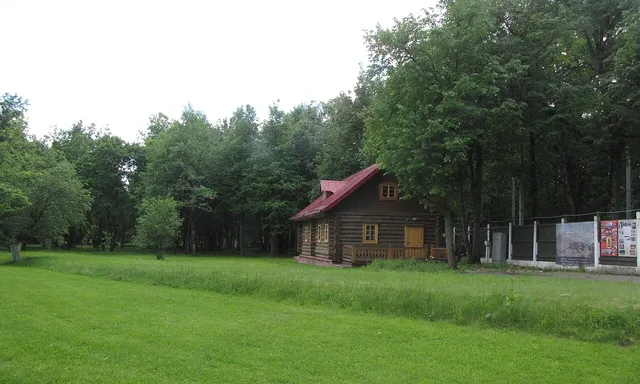
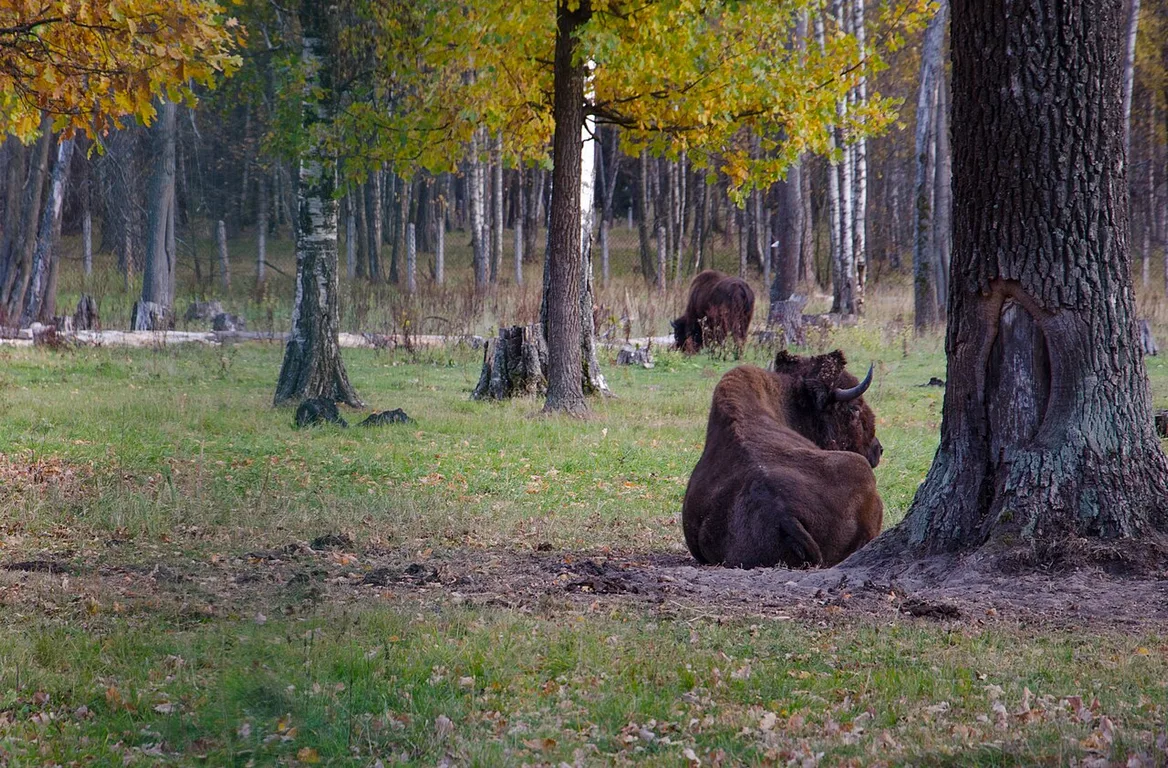
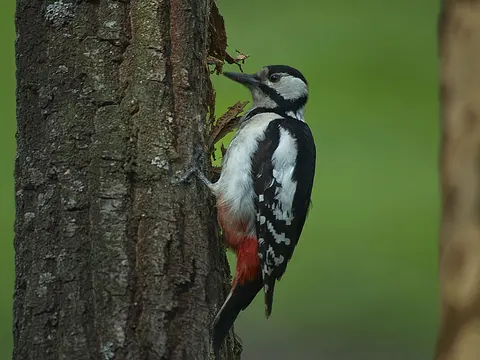
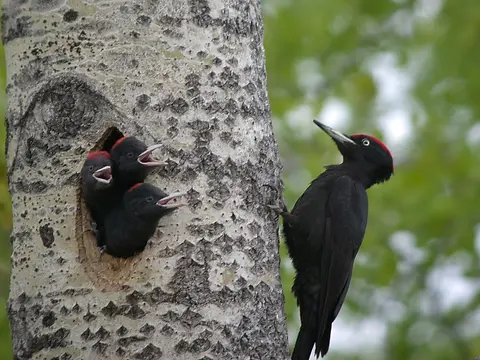
Prioksko-Terrasny Nature Reserve’s pine, spruce and mixed woods provide varied feeding and nesting habitats for birds. Some woodland nests are hidden inside tree trunks: cavities and artificial nest sites have been the subject of long-term research here. Researchers monitor these forests. Public visits use designated tourist routes: entering the protected forest requires special permission, and the Road to the Bison trail is visited with a guide.
Read more
The reserve was established in 1945 on terraces along the Oka’s left bank and became an independent institution in 1948. The Central Bison Nursery opened that same year. Botanists had already taken an interest in the Oka flora: steppe plants surviving amid the region’s forests. A nest-box programme began in 1952, allowing researchers to follow bird breeding. Conservation here brings together woodland and plant-community protection, bison recovery and long-term observations of birds.
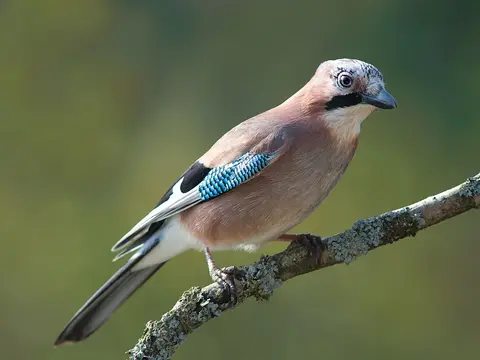
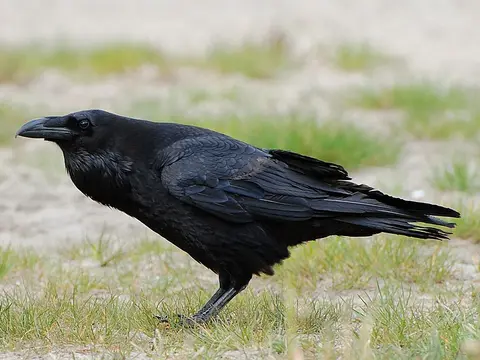
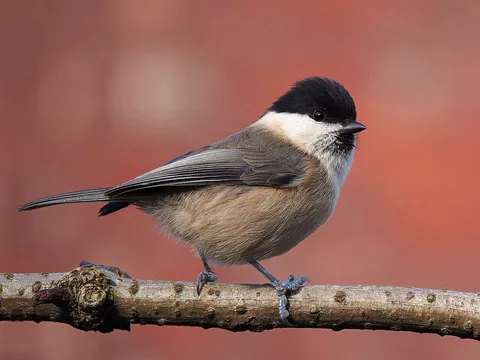
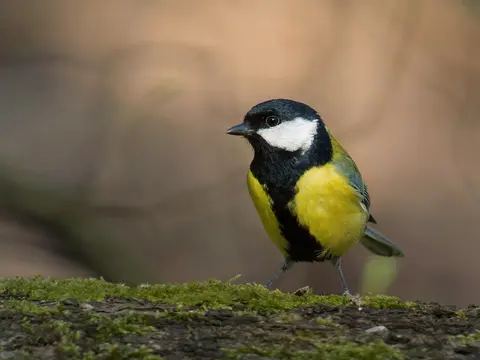
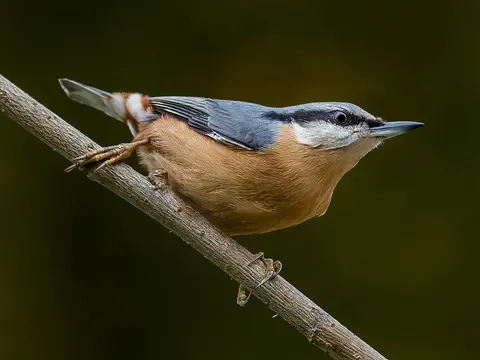
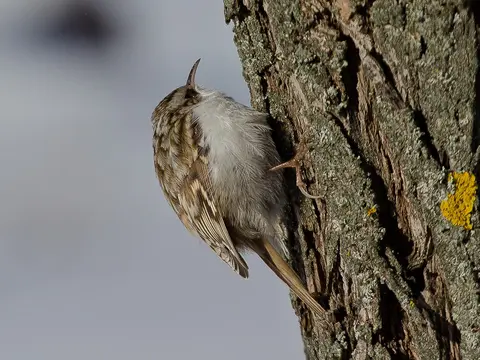
European Pied Flycatchers and Great Tits use tree cavities and nest boxes. In 1953, 868 pairs of European Pied Flycatchers nested in boxes installed here. Common Chaffinches, European Robins and Eurasian Wrens also occur in the woods. A Eurasian Nuthatch searches tree trunks and can climb down headfirst. During a guided visit, try following one bird to see how it searches the crevices in the bark for food.
A visit can also include the reserve’s Nature Museum. Its three exhibition rooms cover the protected area’s history, landscapes, plants and animals. Ask about this part of the programme when arranging a visit to the bison nursery.
When there are more birds
October — 16 species
- Winter
- Spring
- Summer
- Autumn
Getting there
Directions on the map you prefer