Birds of Bitsa Park
Link copied.

Rarely recorded
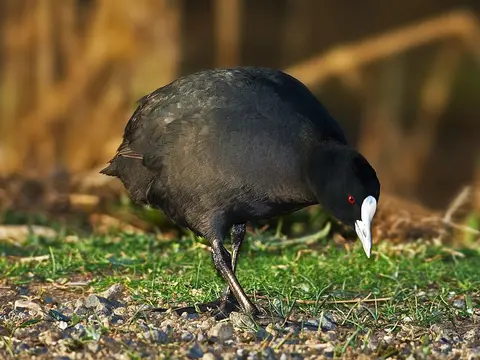
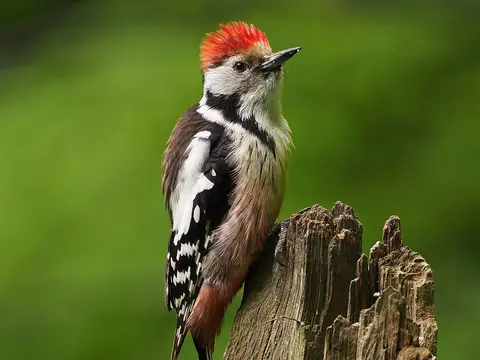
- Species
- ≈ 143 species Source, Species: Community observations: eBird and GBIF
- Best time
- April–June Source, Best time: Months with the most species, across all years of observations
- ≈ 143 species Source, Species: Community observations: eBird and GBIF
- April–June Source, Best time: Months with the most species, across all years of observations
- 1992 Source, Founded: Checked by the HeyBird editors
Birds in October
All birds
October
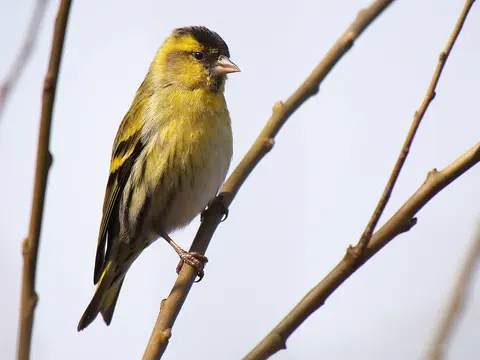
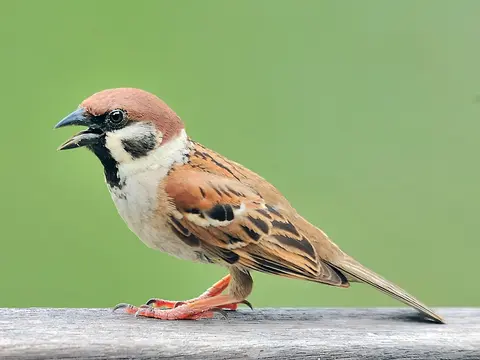
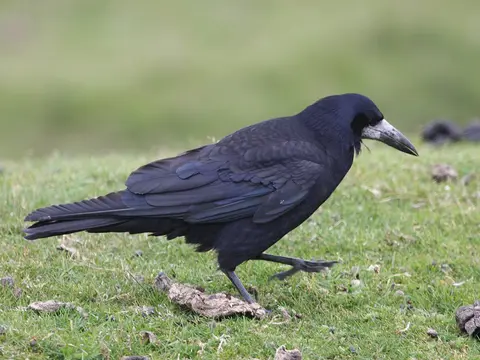

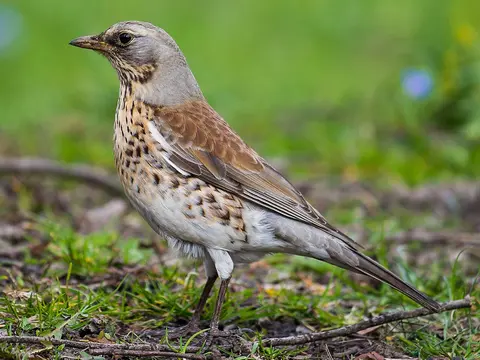
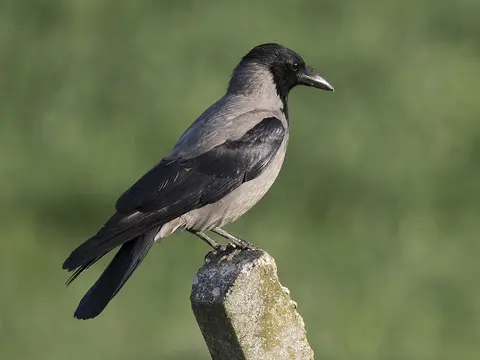
About the park
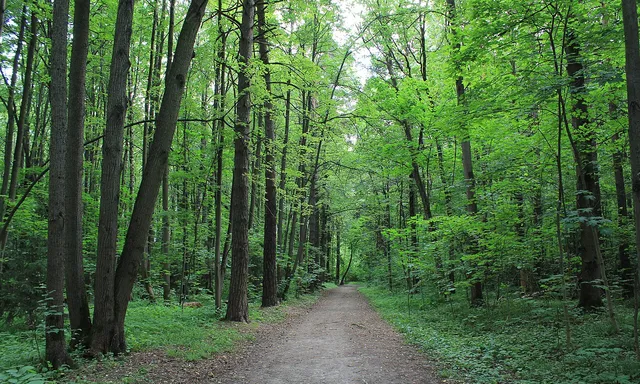
Bittsa Park occupies the south-eastern, highest part of the Teplostan Upland, where woodland is cut by river valleys and a dense network of ravines. The Chertanovka, Gorodnya and Bittsa rivers all rise within the park; their valleys run broadly east–west, while ravines and gullies descend towards them on a nearly north–south line. Some ravines reach 10–15 metres deep at their headwaters. Their floors are often boggy, and streams run through some of them. Remnants of ancient terraces above the floodplain remain beside the Chertanovka and Bittsa. Woodland covers most of the land between the valleys, with open grassland at places such as Bald Hill, a dry meadow ringed by trees where rare herbs grow. The local forests average 84 years old, while the oldest oak stands are 180–190 years old; hazel is widespread in the understorey.
Read more
Human traces here reach back at least to the 11th–12th centuries, when seven groups of Vyatichi burial mounds served as cemeteries for small settlements. Remains of two settlements dating from the 13th–15th centuries are also known in the central forest. Estates began to appear from the late 16th century; three of the seven have survived, while ponds and old trees in former estate parks mark the others. Much of the area was farmed in the first half of the 20th century. In 1941, extensive woodland was felled to establish defensive positions. Trenches, communication trenches, anti-tank ditches and reinforced-concrete pillbox caps remain in the park. Large-scale planting of broad-leaved trees began in 1944, and much of the woodland now standing grew after these events.
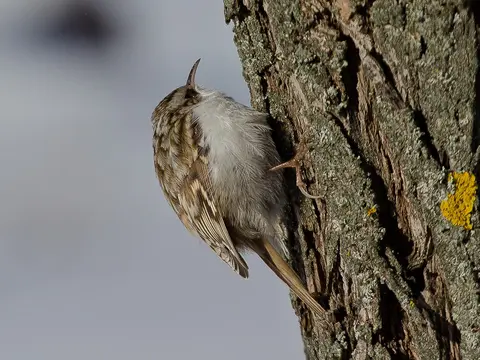
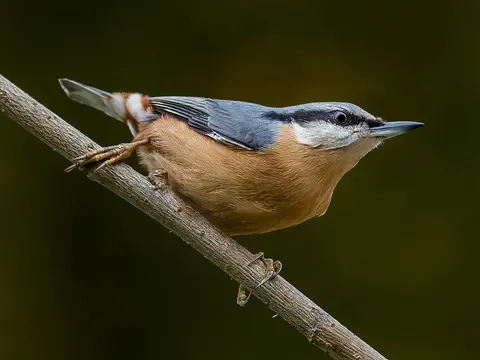
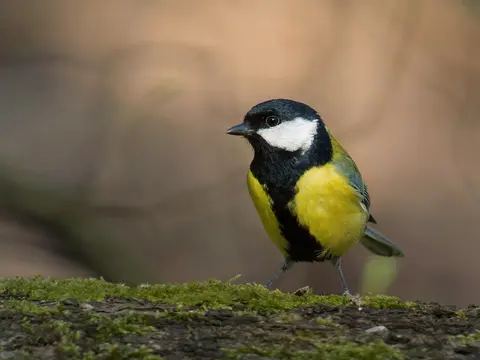
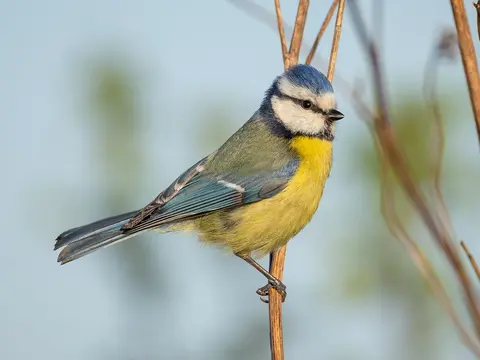
Nesting by the northern goshawk was recorded in the 1990s along the Chertanovka and Gorodnya valleys near Bald Hill. In 2022, a common buzzard occasionally flew along the Chertanovka channel, while the common kestrel was seen more often at Bald Hill. Among birds recorded nearby are the great tit, Eurasian blue tit and Eurasian nuthatch.
When there are more birds
October — 64 species
- Winter
- Spring
- Summer
- Autumn
Getting there
Directions on the map you prefer