Birds of Summer Garden
Link copied.
Rarely recorded


- Species
- ≈ 60 species Source, Species: Community observations: eBird and GBIF
- Best time
- September–December Source, Best time: Months with the most species, across all years of observations
- ≈ 60 species Source, Species: Community observations: eBird and GBIF
- September–December Source, Best time: Months with the most species, across all years of observations
- 1704 Source, Founded: From Wikidata
Birds in October
All birds
October
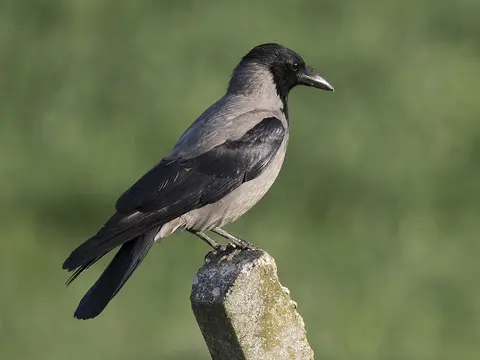
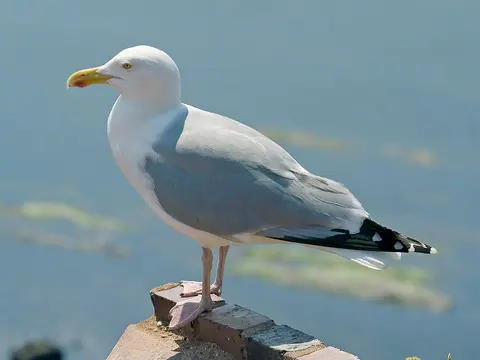

About the park
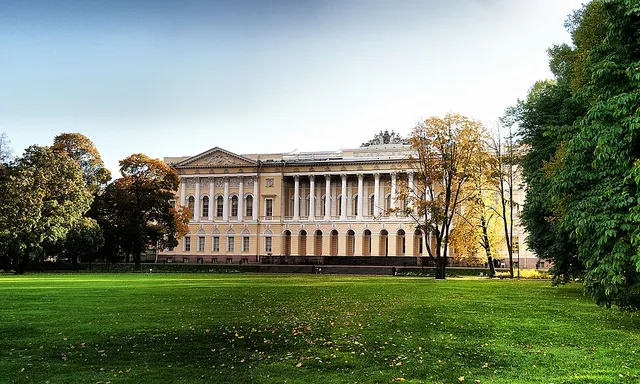
The Summer Garden occupies an island enclosed by the Neva, Fontanka, Moika and Swan Canal, its waters setting off a compact green area amid the built-up centre of Saint Petersburg. Straight avenues, bosquets and an open French parterre shape its formal plan: dense planting gives way to long views across the garden. Lime trees and other trees shade the avenues, while Carp Pond and the restored fountains bring water into its interior. Eight fountains were recreated during the restoration of 2009–2011.
Read more
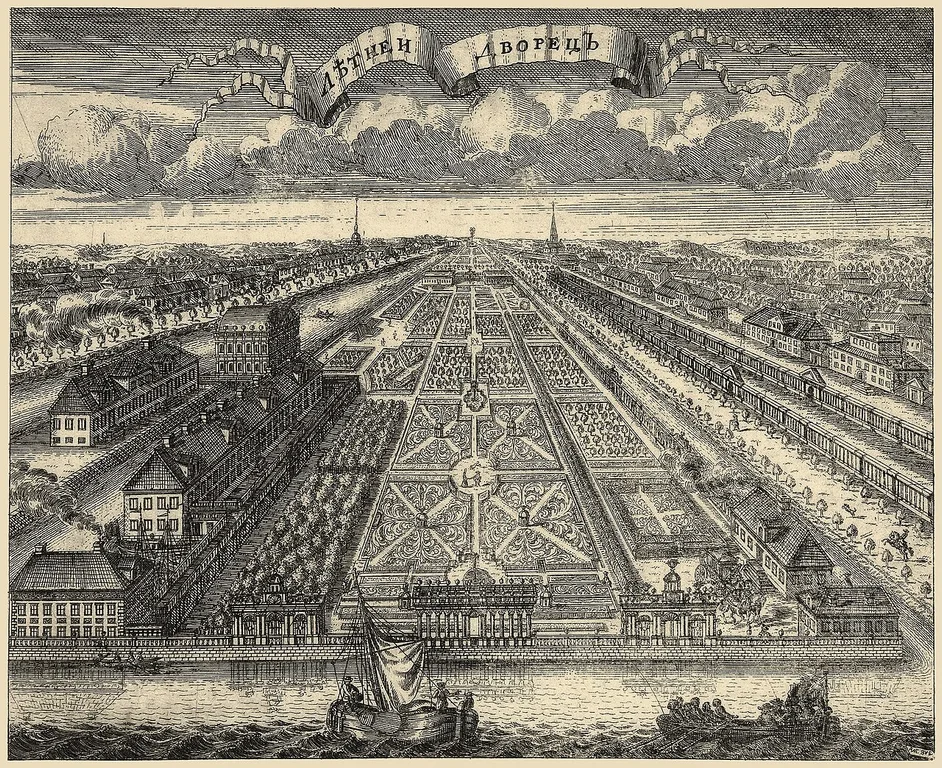
Peter I chose an inhabited manor on Usaditsa Island for his summer residence, and work on the garden began in 1704. The estate had belonged to the Swedish Major Erich Berndt von Konow. The ground was too wet even for trees: canals were dug to drain it, the soil was strengthened, and imported earth was added over several years. This work made the formal layout possible; the canals and ponds served both to drain the land and to ornament the garden. Dutch gardener Jan Roosen directed the planting from 1712 to 1726, and French architect Jean-Baptiste Le Blond, who arrived in 1716, developed the ensemble in the style of French formal gardens. In 1718 a steam-powered water-lifting machine replaced the horse-powered mechanism for the fountains. Water was drawn from Bezymyanny Yerik, the watercourse that thereafter became known as the Fontanka. From 25 May 1752, the garden opened to the public on Sundays and public holidays.
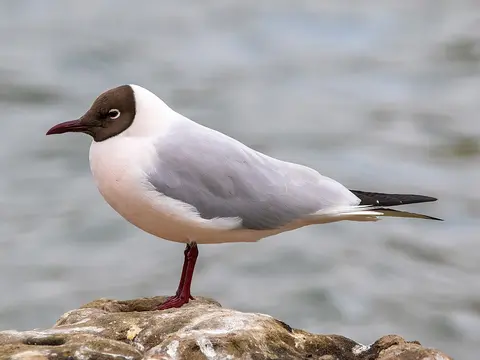
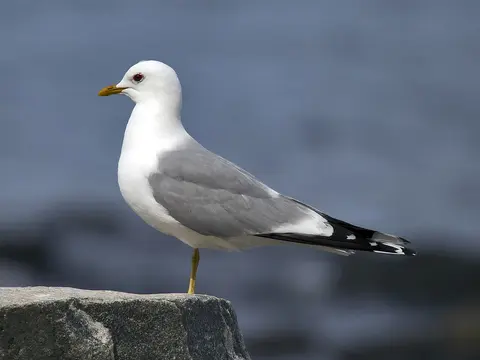
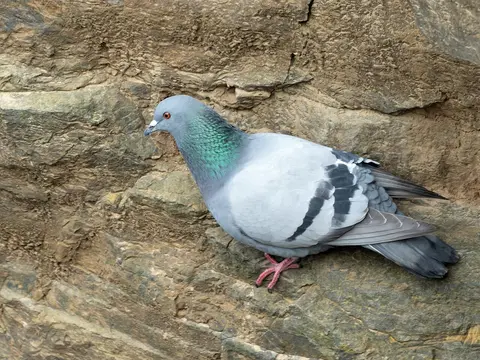
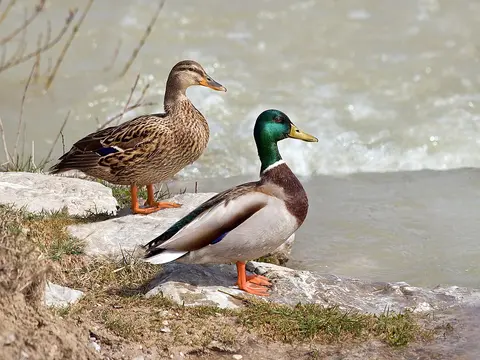
In 1721, chamber-junker Friedrich Wilhelm Bergholz described a large aviary: some birds wandered freely, while others were kept in cages, and a tall building on the eastern side housed beautiful and rare pigeons. The 2009–2011 restoration recreated the Bird Court bosquet and the Pigeon House pavilion. Mallards, common gulls and rock pigeons have been recorded nearby.
When there are more birds
October — 26 species
- Winter
- Spring
- Summer
- Autumn
Getting there
Directions on the map you prefer