Alexander Garden
Link copied.
Rarely recorded
- Species
- ≈ 211 species Source, Species: Community observations: eBird and GBIF
- Best time
- April–September Source, Best time: Months with the most species, across all years of observations
- ≈ 211 species Source, Species: Community observations: eBird and GBIF
- April–September Source, Best time: Months with the most species, across all years of observations
Birds in October
All birds
October
Within 10 km
About the park
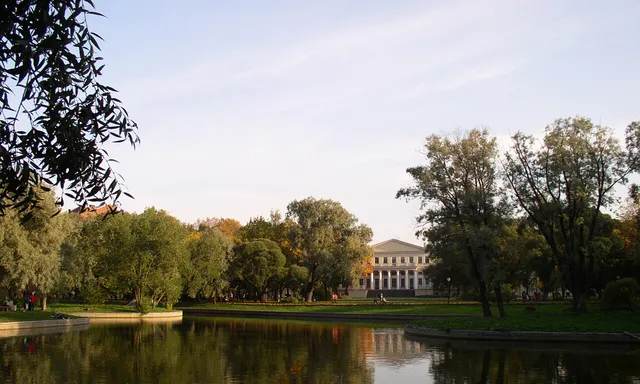
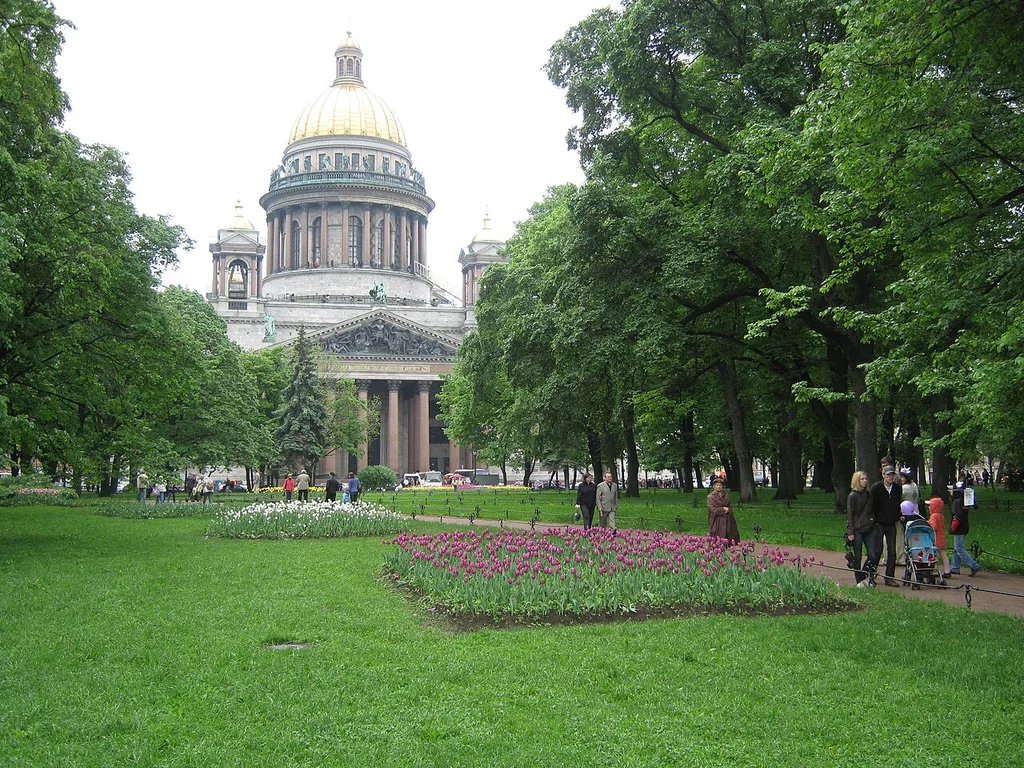
A green belt runs along the south and west façades of the Admiralty, from Palace Square to St Isaac’s Cathedral, parallel to the Neva and Admiralty Quay. Tree-planted areas alternate with lawns and flowerbeds, while straight avenues and paths preserve the garden’s regular layout. Among the open spaces is a fountain with a circular basin; its central jet can rise to 17 metres.
Read more
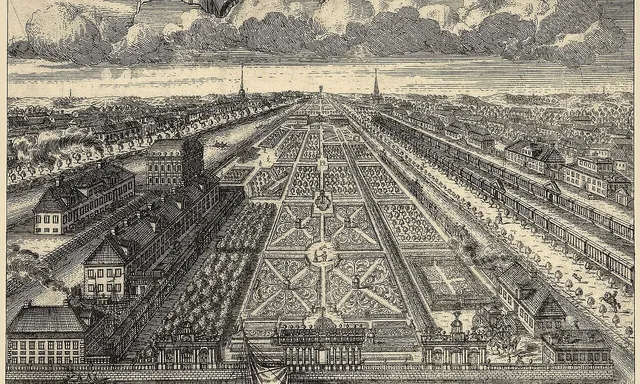
Before the garden existed, this was open military ground. When the Admiralty fortress and shipyard was founded in 1704, a glacis was laid out in front: an open strip kept clear for the fortress artillery. After the Admiralty lost its defensive role, the ground became Admiralty Meadow; part of it held a Sea Market from about 1712 to 1717. In 1721, a plan was laid out for three main roads radiating from the Admiralty, and Swedish prisoners planted a birch avenue leading to Nevsky Prospect. After the fortifications were removed, a boulevard took shape: the canal was filled in in 1817, and a lime-tree avenue was laid out in 1819. Botanist Eduard Regel designed the city garden, and by its opening on 8 July 1874, 5,260 trees and 12,640 shrubs of 52 species had been planted. Alexander II planted an oak beside the portal of St Isaac’s Cathedral; it is still marked as a tree planted by the emperor. During construction of the fountain in 1876, workers uncovered the buried course of the old fortress moat. In 1923, architect Ivan Fomin cut clearings through the garden, continuing the alignments of the three city thoroughfares.
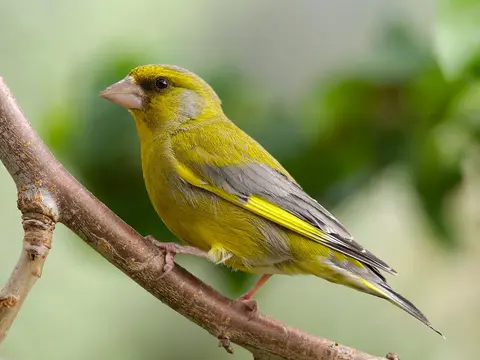
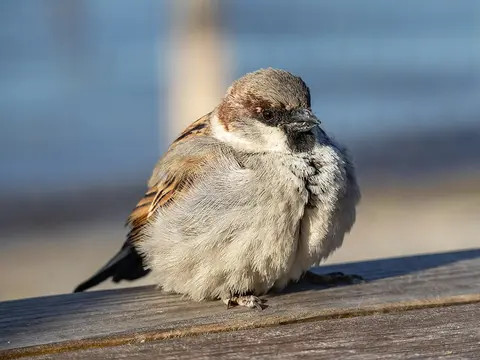
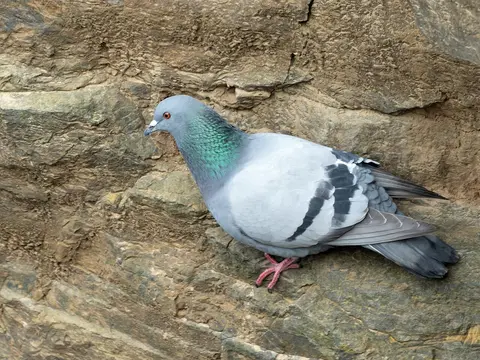
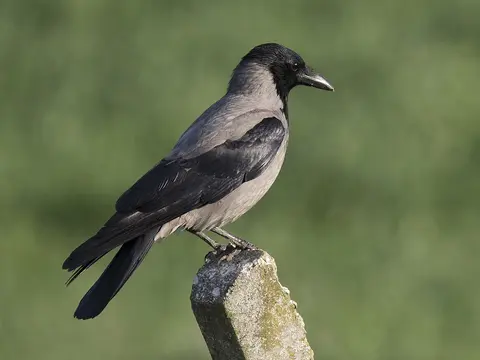
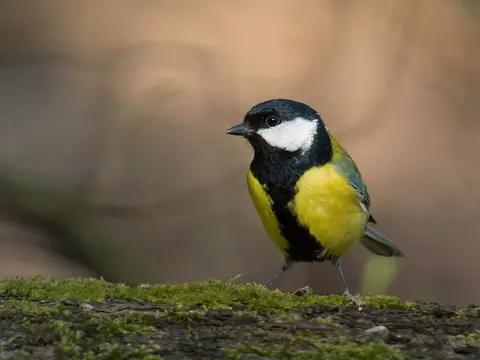
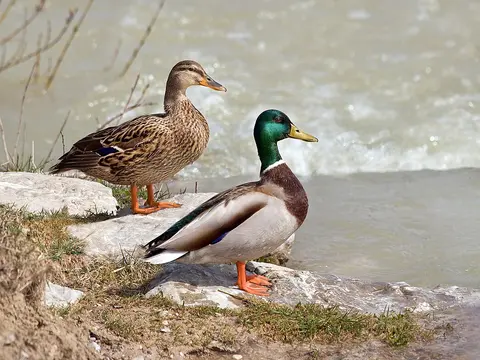
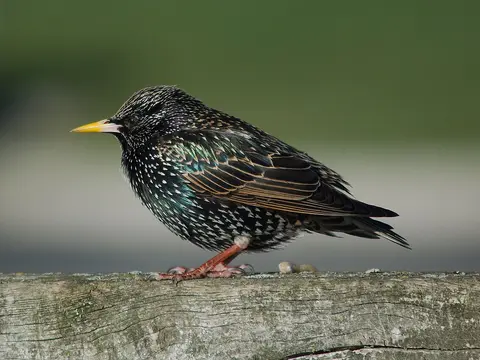
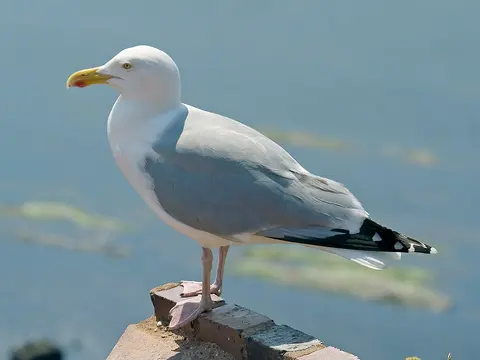
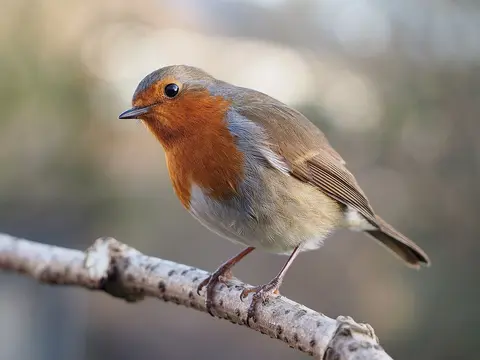
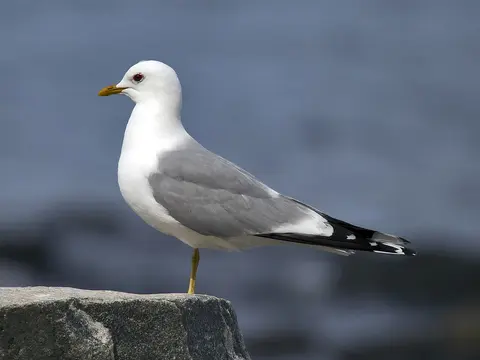
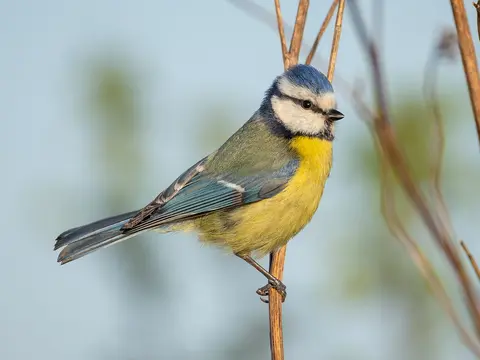
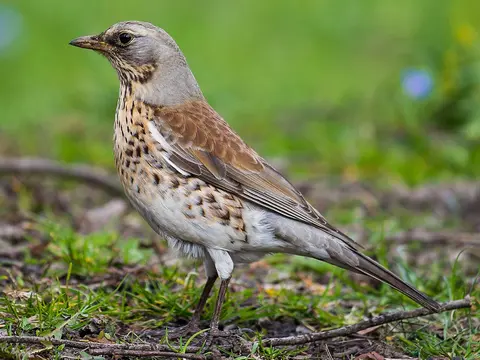
Birds recorded nearby include rock pigeon, hooded crow, house sparrow, mallard and great tit.
When there are more birds
October — 104 species
- Winter
- Spring
- Summer
- Autumn
Getting there
Directions on the map you prefer