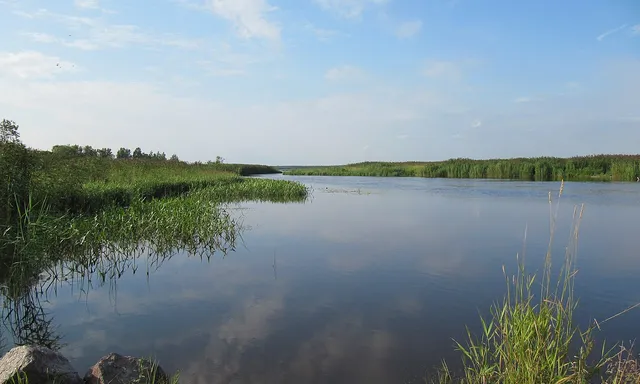
Birds of Yuntolovsky reserve
Link copied.
Rarely recorded

- Species
- ≈ 135 species Source, Species: Community observations: eBird and GBIF
- Best time
- April–July Source, Best time: Months with the most species, across all years of observations
- ≈ 135 species Source, Species: Community observations: eBird and GBIF
- April–July Source, Best time: Months with the most species, across all years of observations
- 1990 Source, Founded: From Wikidata
Birds in October
All birds
October
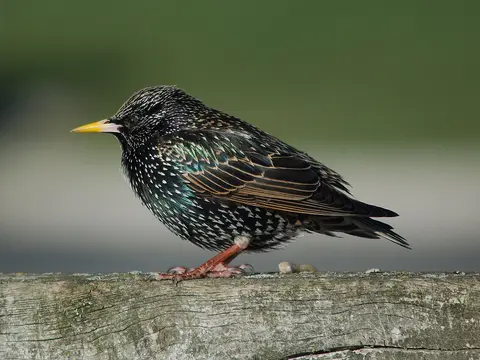
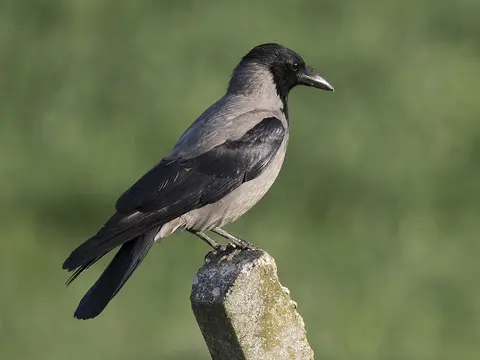
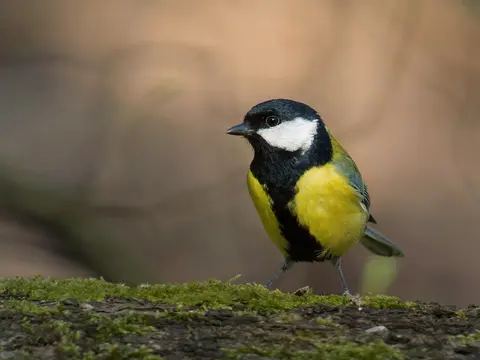
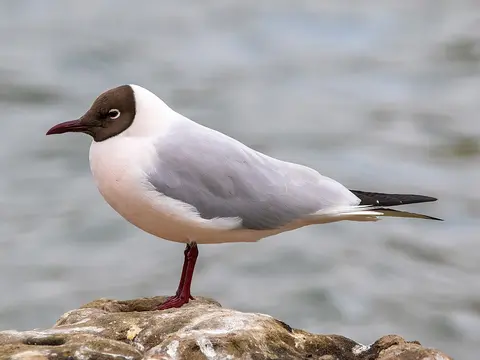
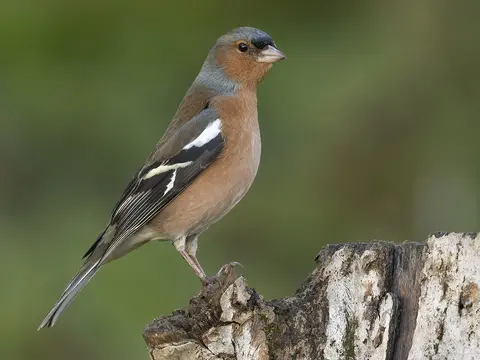
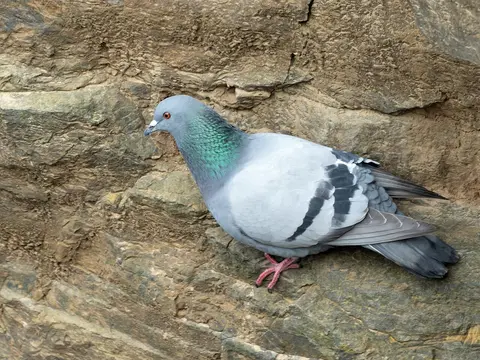
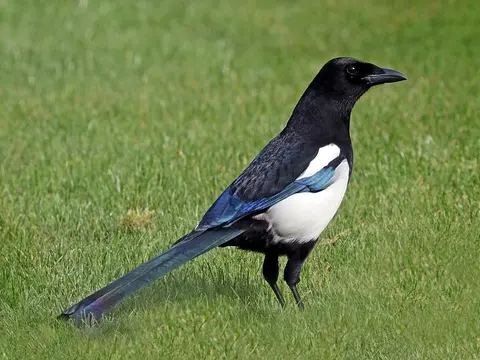
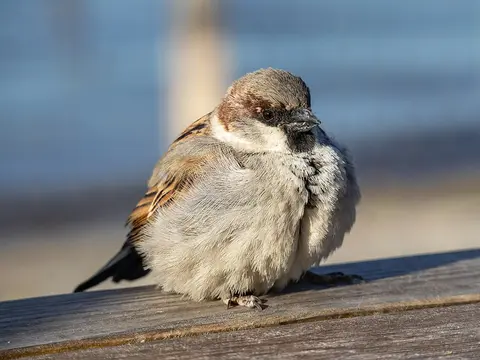
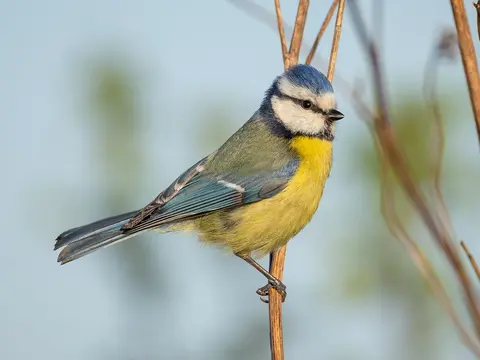
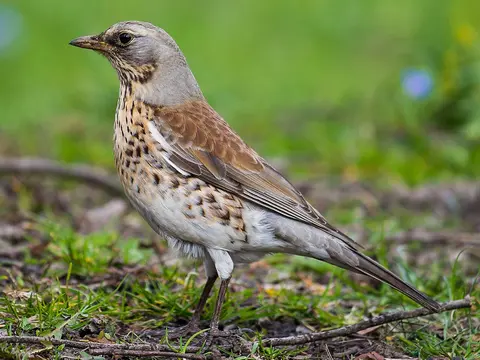
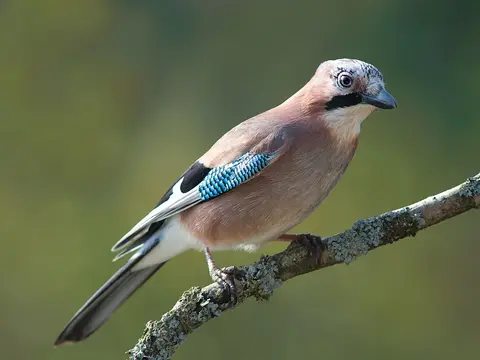
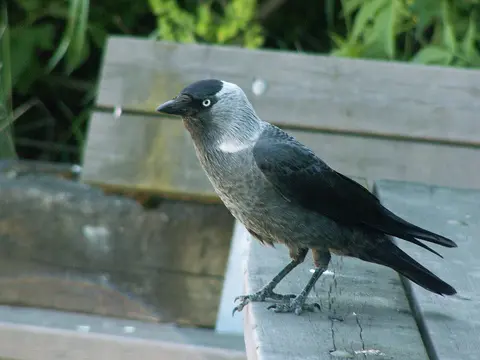
About the park
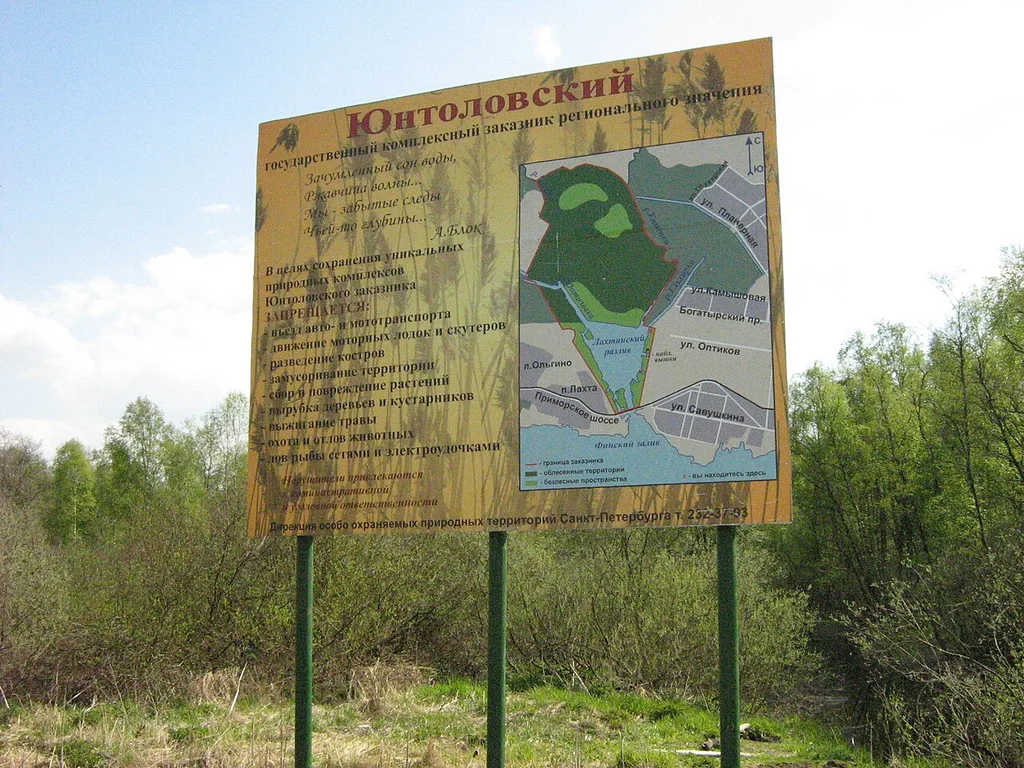
In the western Lakhtinskaya Lowland, Yuntolovsky Reserve includes the Lakhtinsky Razliv, stretches of the Chernaya, Kamenka, Yuntolovka and Glukharka rivers, and most of Lakhtinskoye Boloto. Much of the reserve is covered by sphagnum pine and birch forest, with transitional and lowland bogs between the woods; black alder communities and shrub thickets are less common. Open water on the Razliv and rivers lies alongside bog and forest in this low-lying part of the southern taiga.
Read more
Interest in the nature of Neva Bay’s northern shore began long before the reserve was established. In 1919, naturalists in Petrograd proposed a nature reserve along the coast from Staraia Derevnia to Lisy Nos, especially valuing coastal sites where waterfowl and wading birds gathered during spring and autumn migration. The proposal did not go ahead, but that same year the Lakhta excursion station opened in the Stenbock-Fermor mansion on the bay shore, with a museum devoted to the natural history of the northern coast. The station operated until 1932. Peat extraction, which began in 1916, left long water-filled workings in the reserve’s western part; during the Siege of Leningrad, peat from Lakhta was used as fuel. In 1962, material was taken from the Lakhtinsky Razliv for urban land reclamation. At the extraction sites, the water depth increased from 1 metre to 15–18 metres, and part of the bog was destroyed.
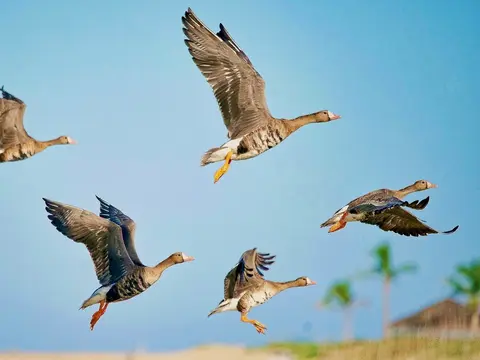
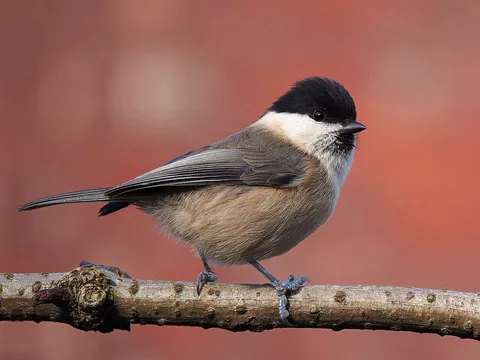
More than 100 bird species nest in the reserve, and around 50 more occur during migration, in winter and in summer. Breeding has been recorded there for the osprey, European honey buzzard, northern goshawk and Eurasian hobby, all listed in the Red Data Book of St Petersburg. The osprey was until recently extremely rare across north-west Russia; its numbers are now increasing, though it remains rare. The White Sea–Baltic migration route passes through Saint Petersburg and the Gulf of Finland. Birds travel mainly at night, crossing the reserve and the bay waters or stopping in reed-covered shallows. Road building and land reclamation narrowed the neck of the Lakhtinsky Razliv from 500 metres to 10, shrinking its area of shallows and sharply reducing the number of passage migrants that stop there.
When there are more birds
October — 46 species
- Winter
- Spring
- Summer
- Autumn
Getting there
Directions on the map you prefer