Birds of Lianozovskiy PKiO
Link copied.
Rarely recorded


- Species
- ≈ 73 species Source, Species: Community observations: eBird and GBIF
- Best time
- April–May Source, Best time: Months with the most species, across all years of observations
- ≈ 73 species Source, Species: Community observations: eBird and GBIF
- April–May Source, Best time: Months with the most species, across all years of observations
- 1951 Source, Founded: Checked by the HeyBird editors
Birds in October
All birds
October


About the park
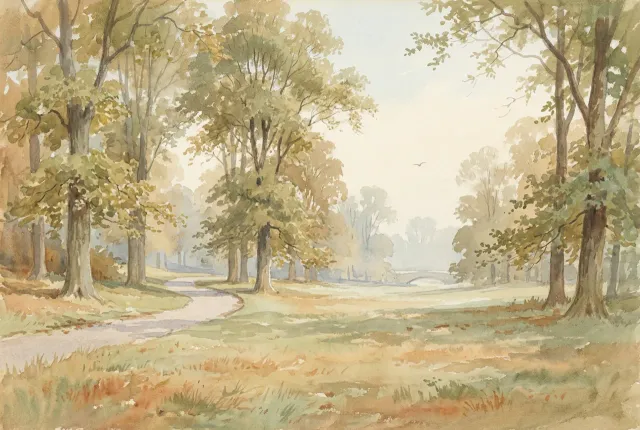
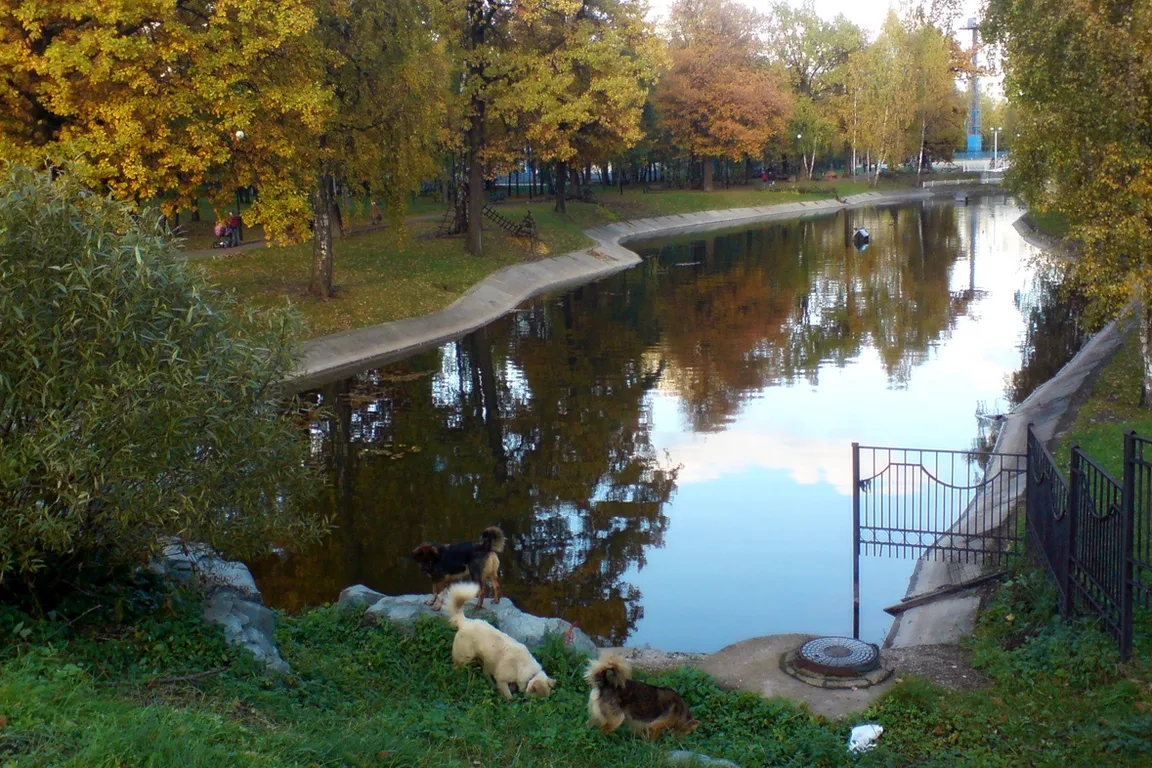
Lianozovsky Park is compact: old trees, avenues, and ponds lie close enough for woodland and water to be considered almost together. Surviving trees from the former estate grounds provide its natural framework. Large trunks and branching crowns stand beside open water and landscaped walking areas. For birds, this creates a small combination of cover and feeding space; for observers, it allows a pause at one bank followed by a shift to the trees over a path. The recreation park has a boundary of its own: the neighbouring Lianozovsky woodland reserve is a separate, more extensive natural area.
Read more
The site is connected with the Lianozovo dacha settlement, established on land owned by the industrialist Lianozov family. Part of the former estate park survived, and today's layout combines that inheritance with facilities for urban recreation. The park opened in 1932 and received park-of-culture-and-recreation status in 1951. Its ponds and old plantings therefore reflect several periods: country estate, dacha settlement, and city park. Over a short walk, the surviving trees make it clear how an older landscape continues to shape a place as its leisure facilities change.
Ruddy shelducks have been observed here in spring: a pair was photographed in the park on 30 April 2005. Orange plumage and a pale head help distinguish this duck on water; in flight, contrasting pale and dark areas of the wing become more obvious. A pond offers a better setting for this kind of observation than a quick walk along an avenue, allowing comparisons of head position, overall outline, and movement. A small pond makes it possible to follow a bird’s short journey from open water to the bank, and between water and the shade of trees.
When there are more birds
October — 30 species
- Winter
- Spring
- Summer
- Autumn
Getting there
Directions on the map you prefer