Birds of Park Druzhby
Link copied.
Rarely recorded
- Species
- ≈ 74 species Source, Species: Community observations: eBird and GBIF
- Best time
- September–November Source, Best time: Months with the most species, across all years of observations
- ≈ 74 species Source, Species: Community observations: eBird and GBIF
- September–November Source, Best time: Months with the most species, across all years of observations
- 1957 Source, Founded: Checked by the HeyBird editors
Birds in October
All birds
October


About the park
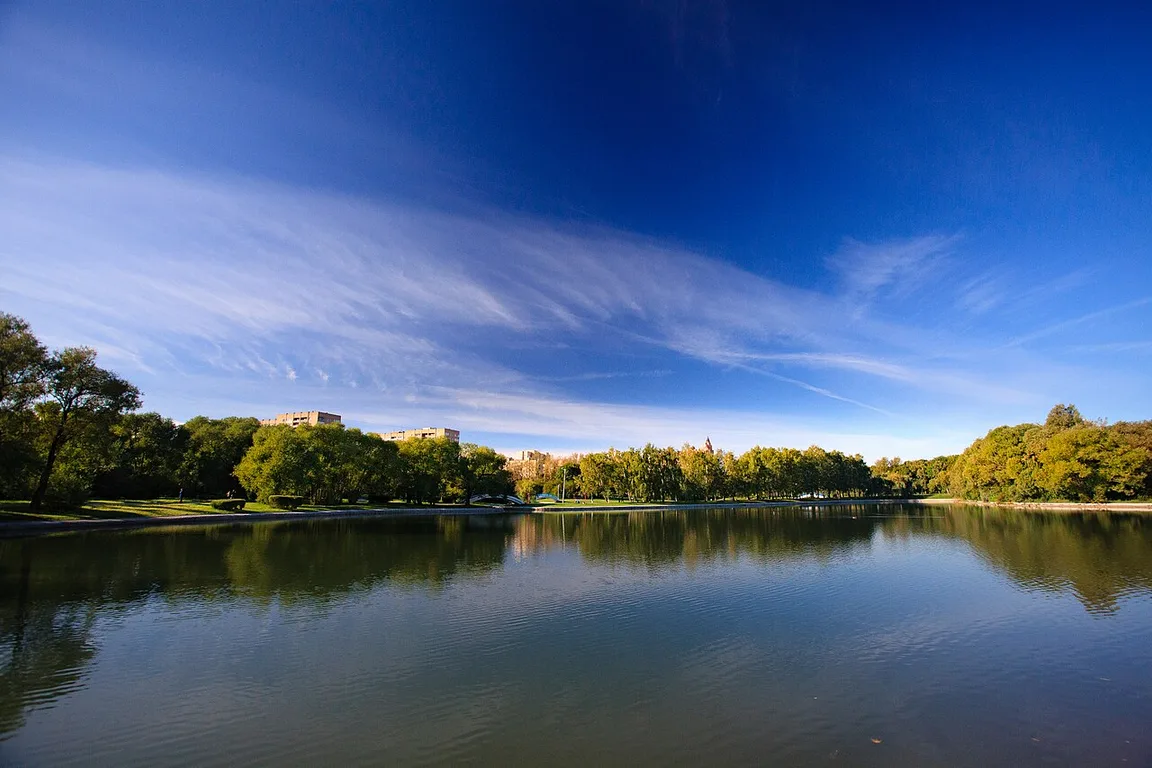
Festival Ponds are the park’s main water feature. Between the avenues, the layout opens into glades with groups of trees. Downy birches, with some silver birch, line the paths; Norway maple is the dominant tree, planted in groups of varying size. Near the central circular space grow English oak and small-leaved lime, with horse chestnuts and European larches nearby. Larch groups range from a few trees to several hundred. Large glades have a ground layer dominated by meadow fescue, red fescue and fine bentgrass, with urban avens in places.
Read more
The park occupies land once belonging to the villages of Aksinino and Nikolskoye. Nikolskoye was first mentioned in a land-survey book in 1584. In 1871, the Nikolsky brickworks opened along Leningradskoye Highway and Konakovsky Drive; its quarries eventually filled with water and became Festival Ponds. Aksinino had existed for more than three centuries, and its Church of the Sign is still active, although the village became part of Moscow in 1960. The park was laid out for the 1957 World Festival of Youth and Students. Its designers aimed to preserve the landform and the outlines of the water, shaping the plan like a five-petalled daisy whose petals represented the continents. On 1 August 1957, nearly 5,000 festival guests, delegates from other countries and local residents took part in planting the park. The central space received five 50-year-old lime trees brought from VDNKh and an 80-year-old oak from Khimki Forest Park.
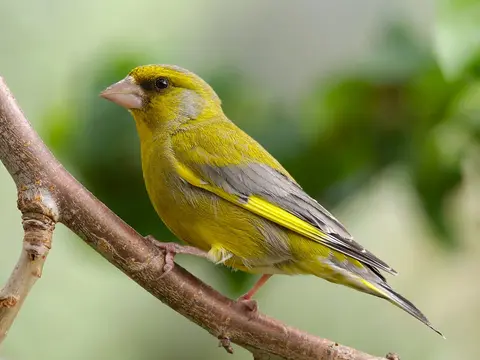
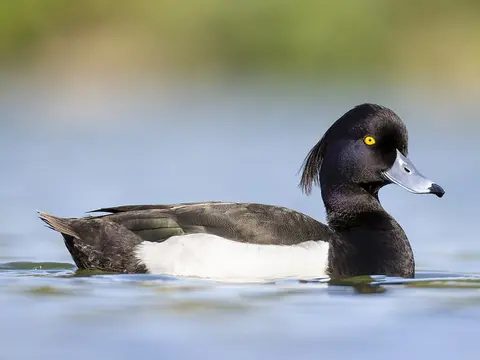
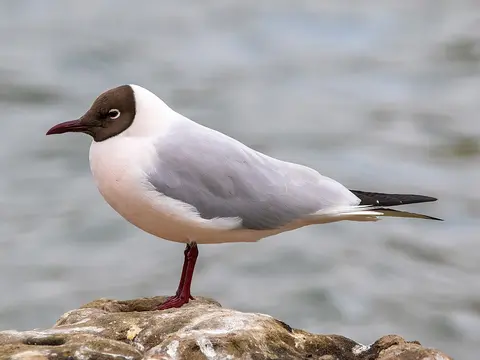
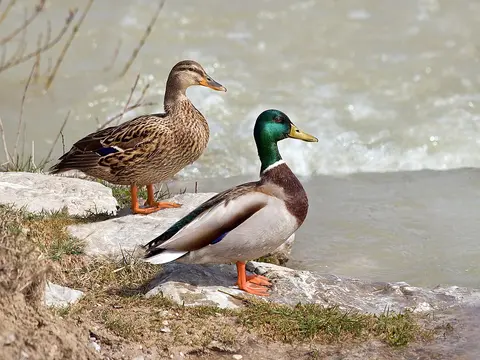
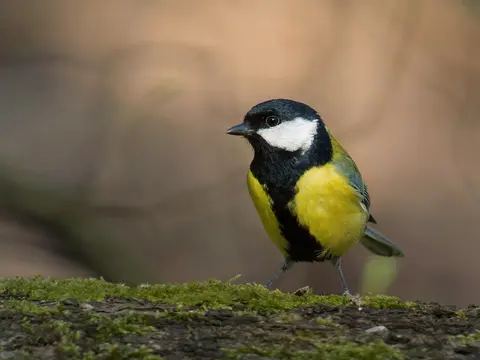
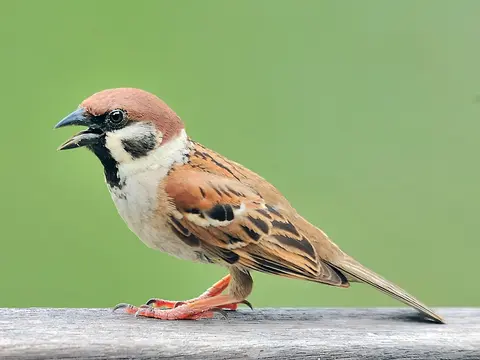
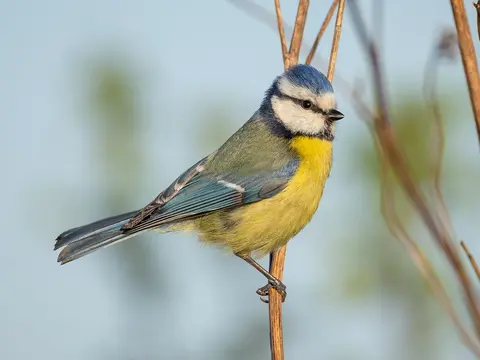
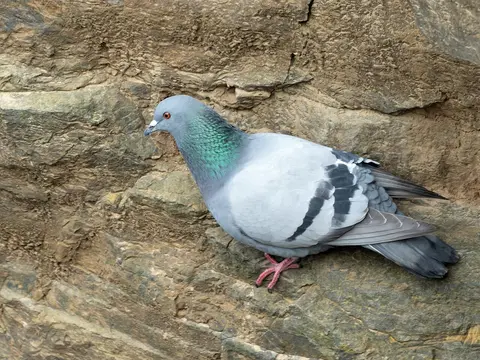
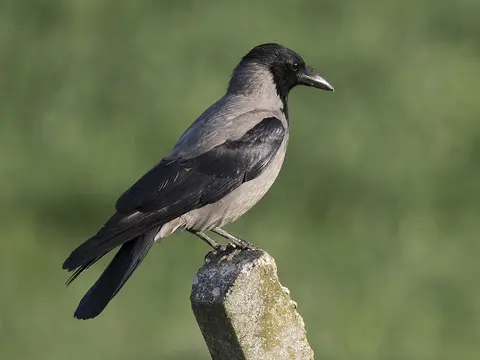
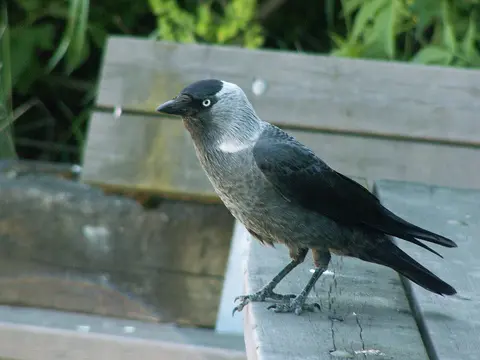
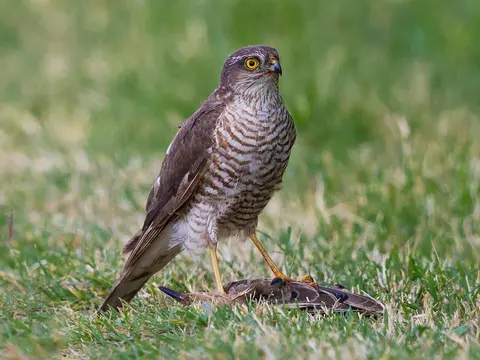
Birds recorded nearby include the great tit, redpoll, Eurasian tree sparrow, hooded crow and Eurasian blue tit.
When there are more birds
October — 32 species
- Winter
- Spring
- Summer
- Autumn
Getting there
Directions on the map you prefer


