Birds of Prirodno-istoricheskiy park «Tushinskiy»
Link copied.
Rarely recorded


- Species
- ≈ 76 species Source, Species: Community observations: eBird and GBIF
- Best time
- April–June Source, Best time: Months with the most species, across all years of observations
- ≈ 76 species Source, Species: Community observations: eBird and GBIF
- April–June Source, Best time: Months with the most species, across all years of observations
- 1998 Source, Founded: Checked by the HeyBird editors
Birds in October
All birds
October

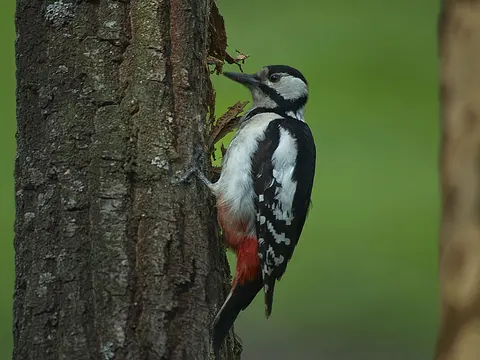
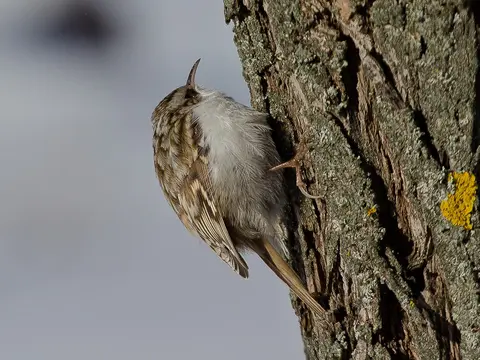
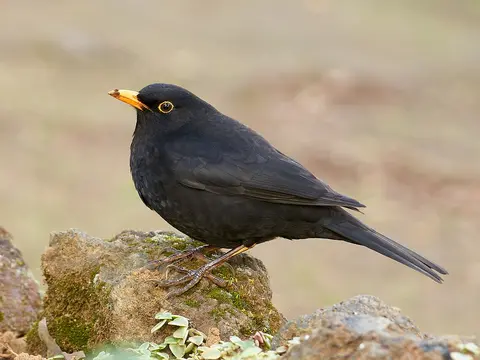
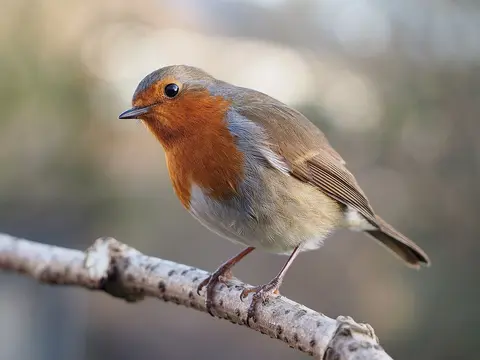
About the park
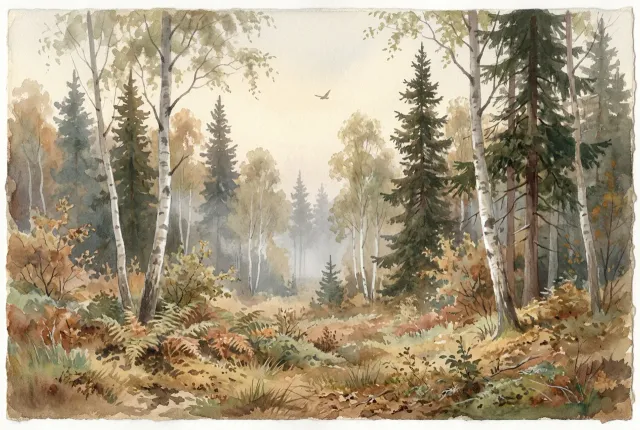
The northern wooded part of Tushinsky Park combines a substantial forest with small river valleys and open edges. Birds use different layers of the woodland: some movements are visible high among branches, while others take place close to the ground. In winter, when foliage no longer blocks the view, movements between neighbouring trees become particularly apparent. The forest retains depth even where residential neighbourhoods begin just beyond its edge.
Read more
This part of the area includes Alyoshkinsky Forest and the surroundings of the Bratovka valley. Together with Bratsevo, they preserve traces of north-west Moscow's formerly rural landscape. Small valleys create contrasting slopes, damp hollows and drier woodland. Tushinsky nature and history park was established in 1998, bringing several green areas of the district together. The forest remains one of its largest natural spaces.
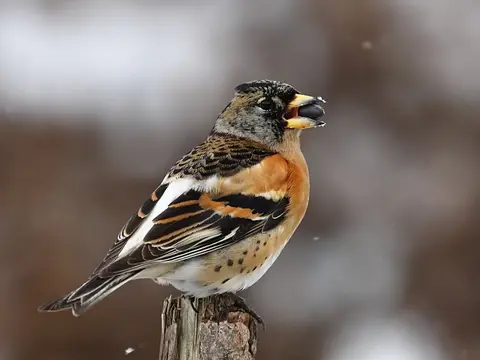
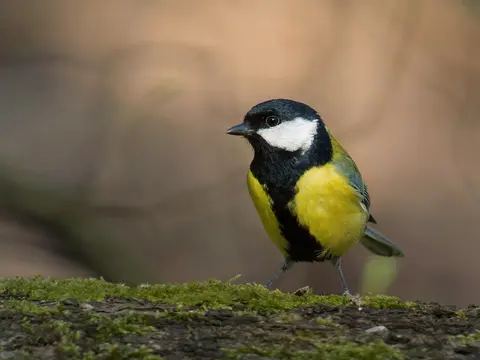
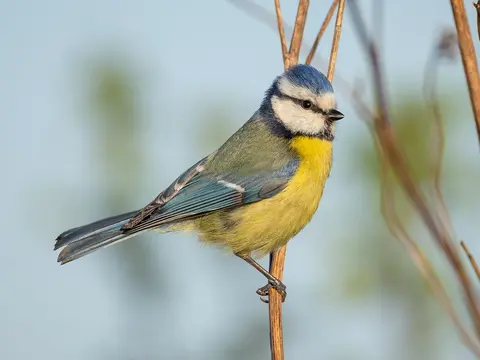
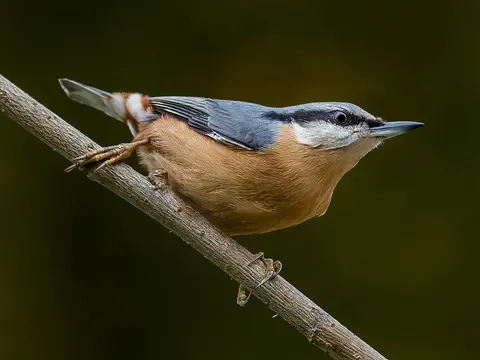
Winter observations on 18 December 2021 in Alyoshkinsky Forest recorded Eurasian Nuthatch, Great Tit, Eurasian Blue Tit and Eurasian Siskin. A Eurasian Nuthatch is especially interesting to follow on a trunk: it can move headfirst downwards while searching the bark. Its black eye stripe helps identify it when it pauses. Such an encounter shows why it is useful to shift attention from branches to trunks in winter: a small bird's feeding route may run in an unexpected direction.
When there are more birds
October — 29 species
- Winter
- Spring
- Summer
- Autumn
Getting there
Directions on the map you prefer