Birds of Stroginskiy zaliv
Link copied.
Rarely recorded
- Species
- ≈ 152 species Source, Species: Community observations: eBird and GBIF
- Best time
- September–November Source, Best time: Months with the most species, across all years of observations
- ≈ 152 species Source, Species: Community observations: eBird and GBIF
- September–November Source, Best time: Months with the most species, across all years of observations
Birds in October
All birds
October


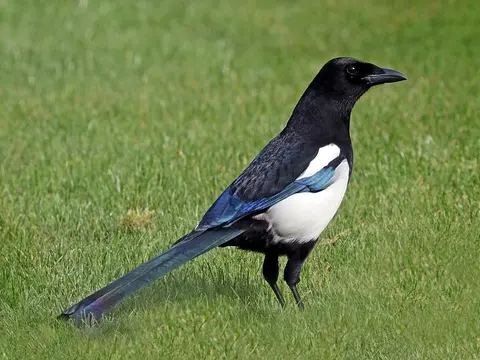
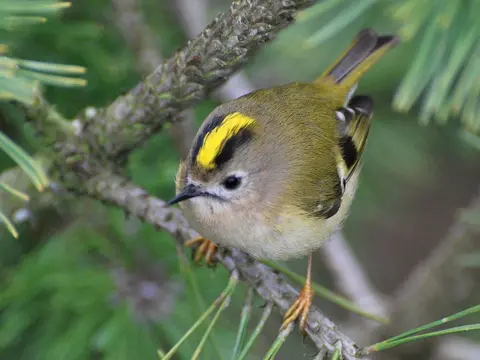
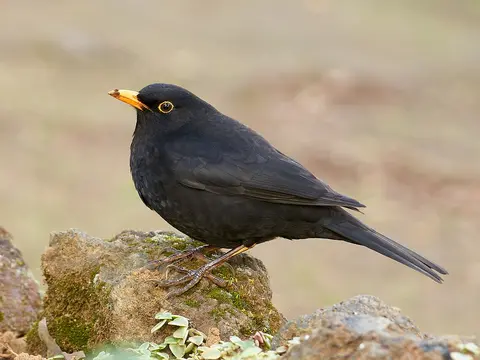
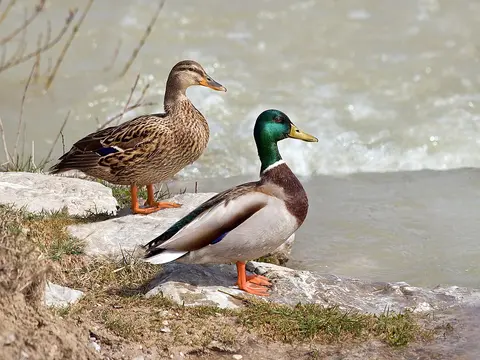
About the lake
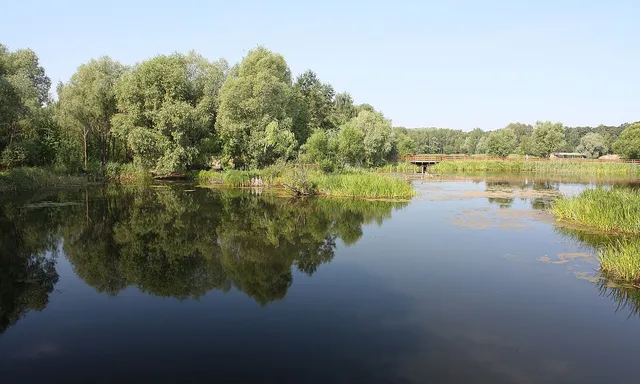
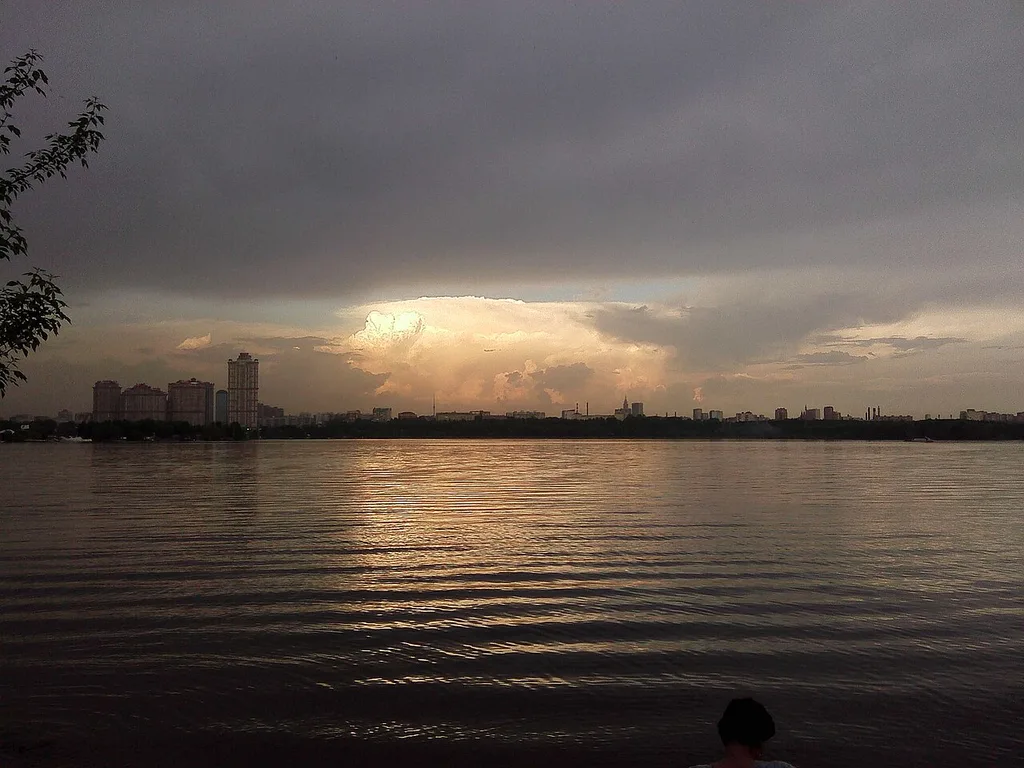
At Stroginskiy Zaliv, the water body is the widest in Moscow, about 1.9 km from west to east and 1.25 km from north to south. Stroginsky Cape bounds the floodplain to the south-west; Shchukinsky Peninsula lies to the north-east, east and south-east, with several smaller bays beside it. A channel connects the southern part of the water body to the Moscow River, while a narrow passage leads to Chisty Bay. The water averages about 5 metres deep, though depth changes and pits reach 15–30 metres; the bottom is sandy. On land, flood meadows meet areas of pine, birch and willow. Steppe timothy and green strawberry grow in the meadows, while European globeflower and yellow iris are among the floodplain’s protected plants.
Read more
The place names recall two villages: Strogino gave its name to the floodplain, while the alternative name Troitse-Lykovskaya Floodplain comes from Troitse-Lykovo. Both villages became part of Moscow in the 1960s. In the same decade, the backwater was excavated as a sand quarry for construction in the districts of Shchukino and Khoroshyovo-Mnyovniki. A German aerial photograph from 1942 shows that the water body was not yet there. The floodplain received protected natural-area status in 2005. Later proposals for large-scale beach and leisure facilities prompted protests because development threatened that status. In 2015, active construction was abandoned in favour of plans to develop the floodplain as a green recreational area.
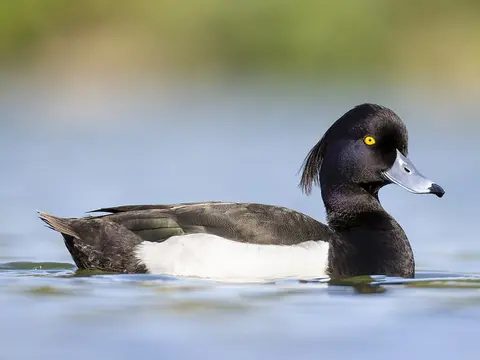
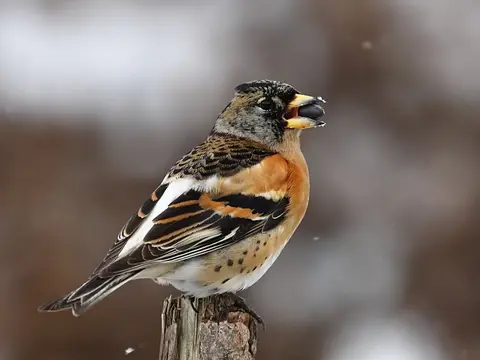
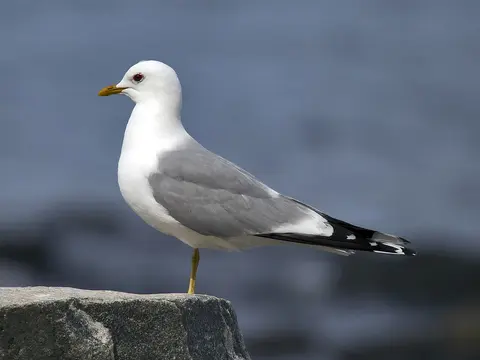
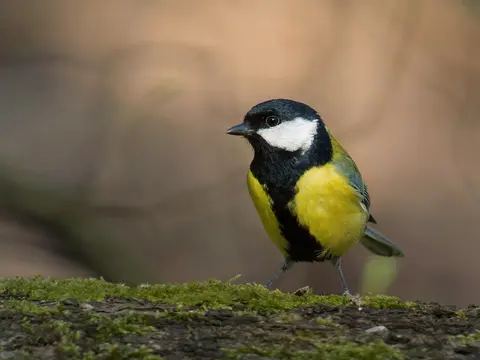
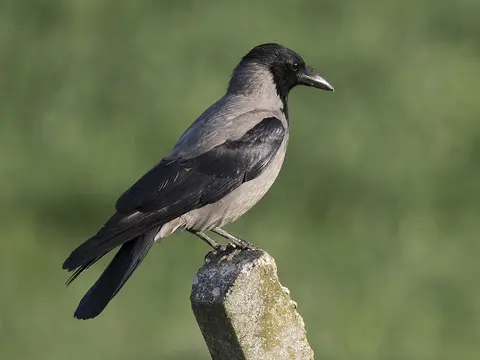
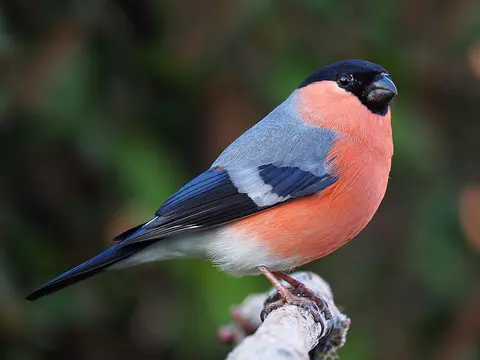
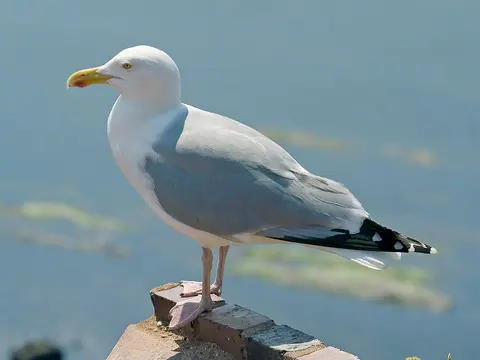
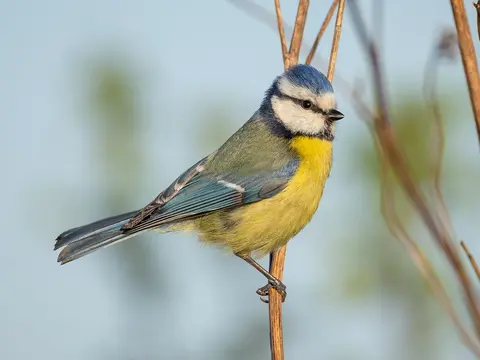
The surroundings of the floodplain are nesting areas for reed warblers, reed buntings, sand martins, nightingales and northern goshawks. Birds recorded nearby include the mallard, great tit, hooded crow, Eurasian blue tit and fieldfare.
When there are more birds
October — 78 species
- Winter
- Spring
- Summer
- Autumn
Getting there
Directions on the map you prefer