Birds of Kerzhenskiy Nature Reserve
Link copied.
- 1993 Source, Founded: From Wikidata
Birds year-round
All birds
All year


About the park
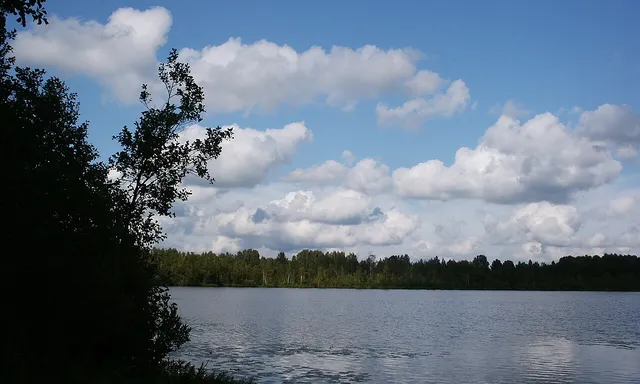
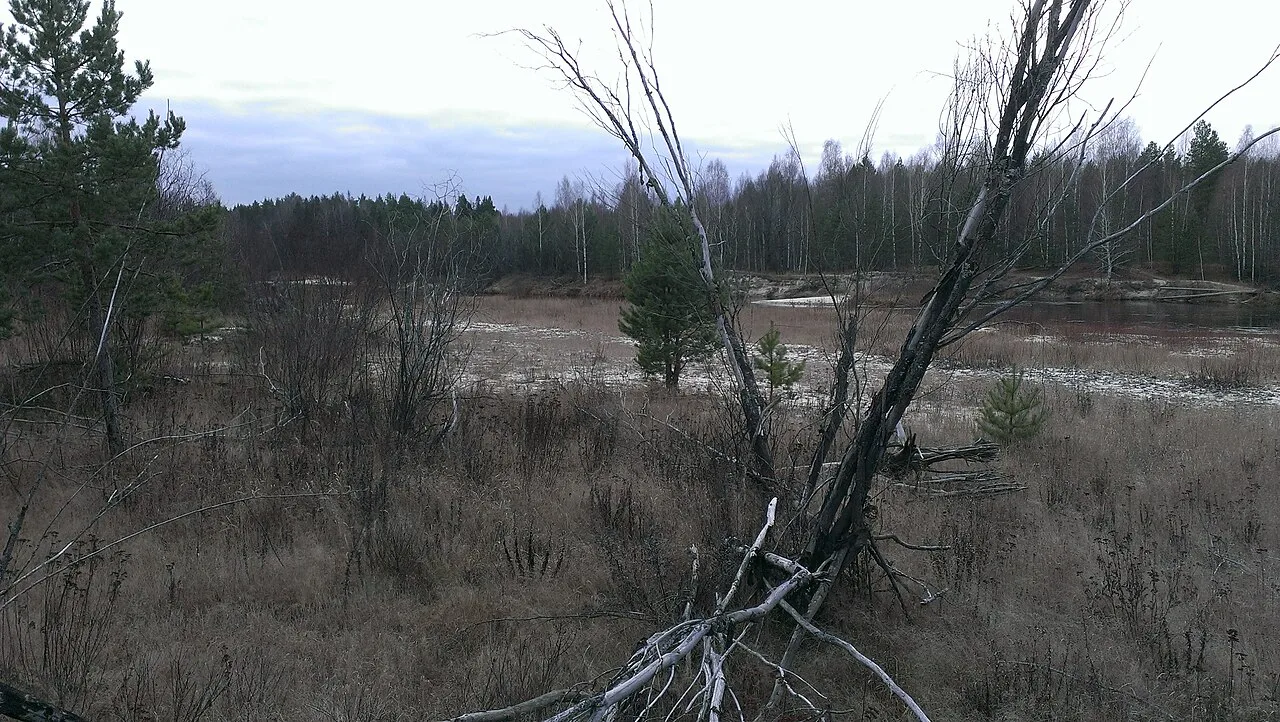
Around 80% of Kerzhenskiy Nature Reserve lies in the low-lying basin of the Kerzhenets, a left-bank tributary of the Volga. Forests dominate the north and west, while river wetlands spread across the south and east. Pine woods cover about 60% of the reserve, ranging from dry, lichen-covered stands to damp places carpeted with sphagnum moss. Around 30 peat bogs remain in a natural state, mostly transitional and raised bogs. Spruce woods occupy much smaller areas, chiefly in the Kerzhenets valley, where they grow mixed with broad-leaved trees.
Read more
Beneath the lowlands, Permian clay, marl and limestone are buried under 5 to 30 metres of alluvial deposits. Carbonate rocks emerge in places along the banks of the Kerzhenets’s tributaries. Logging, planted forests and recurring fires have all shaped the woodland; a severe fire in 1972 destroyed about a fifth of the trees, and many stands are now middle-aged or young. The reserve has also become a focus for research into how beavers affect the recovery of landscapes after fire and logging.
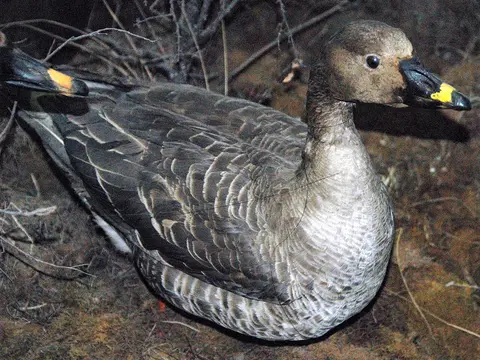
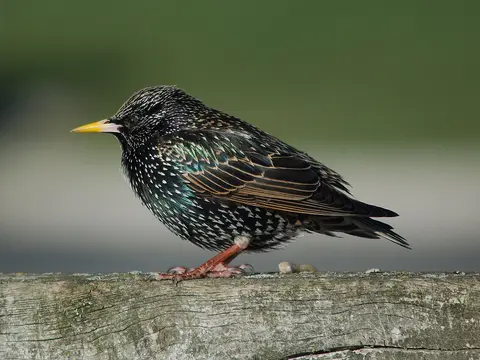
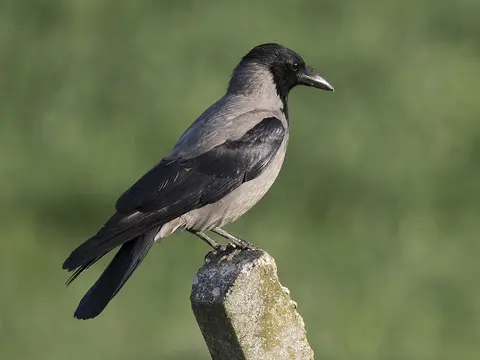
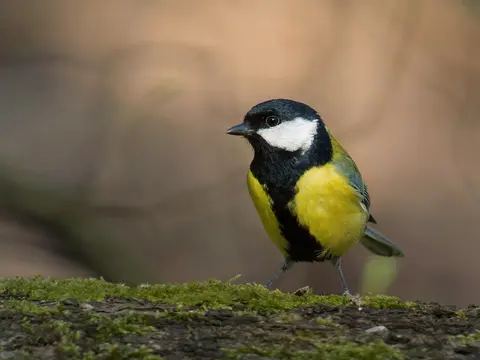
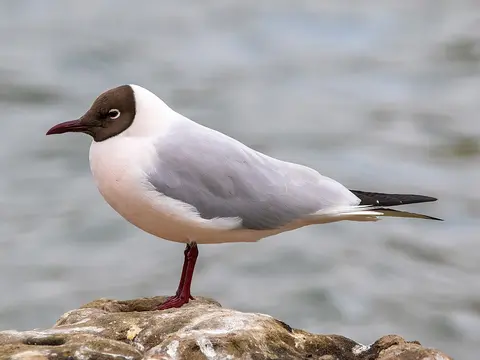
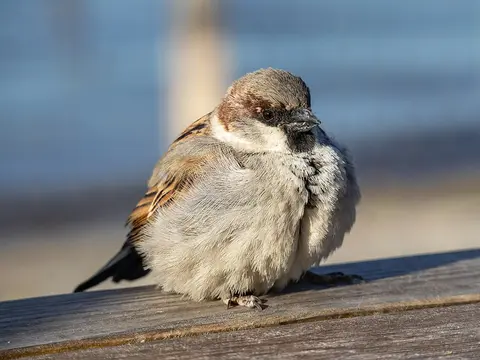
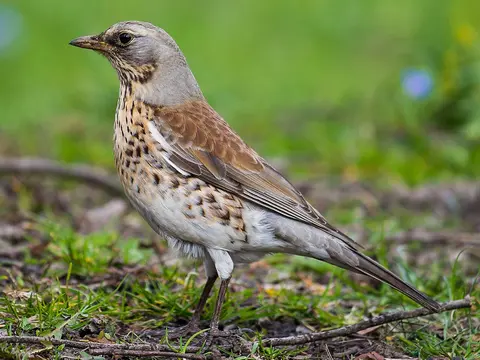
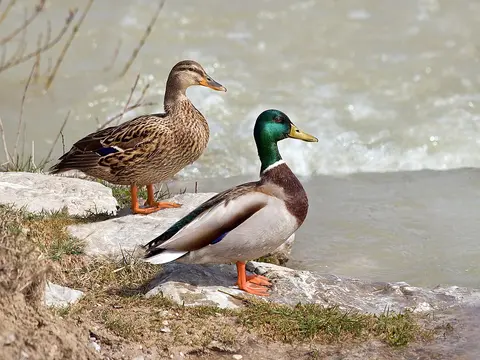
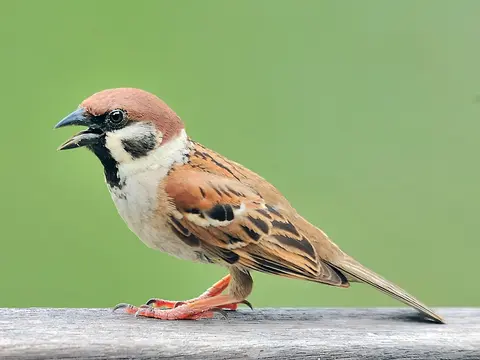
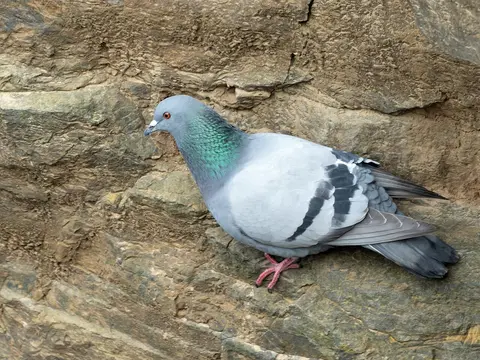
The reserve has records of 170 bird species, with nesting established for 110; 14 species occur there only during migration. Its recorded birds include the capercaillie, golden eagle and osprey. Experiments are also under way to restore the willow ptarmigan, a bird that formerly inhabited the reserve.
The visitor centre in Rustay is the starting point for a visit and issues permits to enter the reserve. Circular nature trails introduce its habitats; guided visits should be booked ahead. Trail availability depends on weather and fire conditions, so check access before setting out.
Getting there
Directions on the map you prefer