Rostovskiy biosfernyy zapovednik
Link copied.
- Species
- ≈ 66 species Source, Species: Community observations: eBird and GBIF
- Best time
- May Source, Best time: Months with the most species, across all years of observations
- ≈ 66 species Source, Species: Community observations: eBird and GBIF
- May Source, Best time: Months with the most species, across all years of observations
- 1995 Source, Founded: From Wikidata
Birds year-round
All birds
All year


About the park
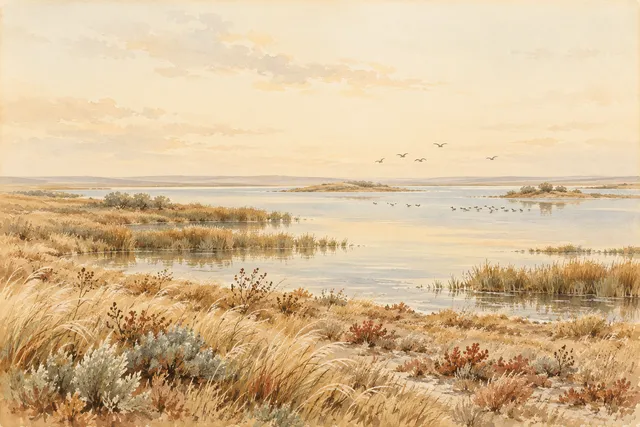
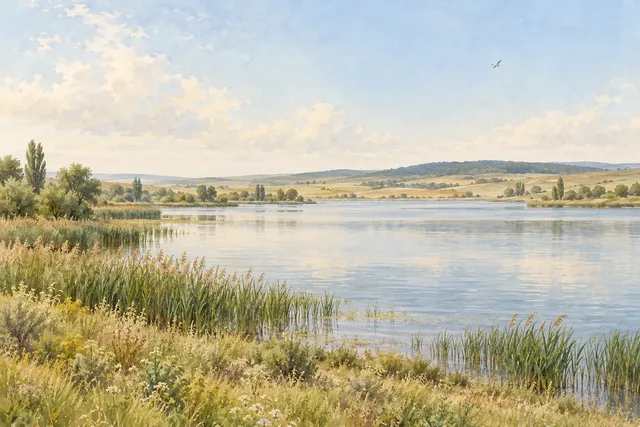
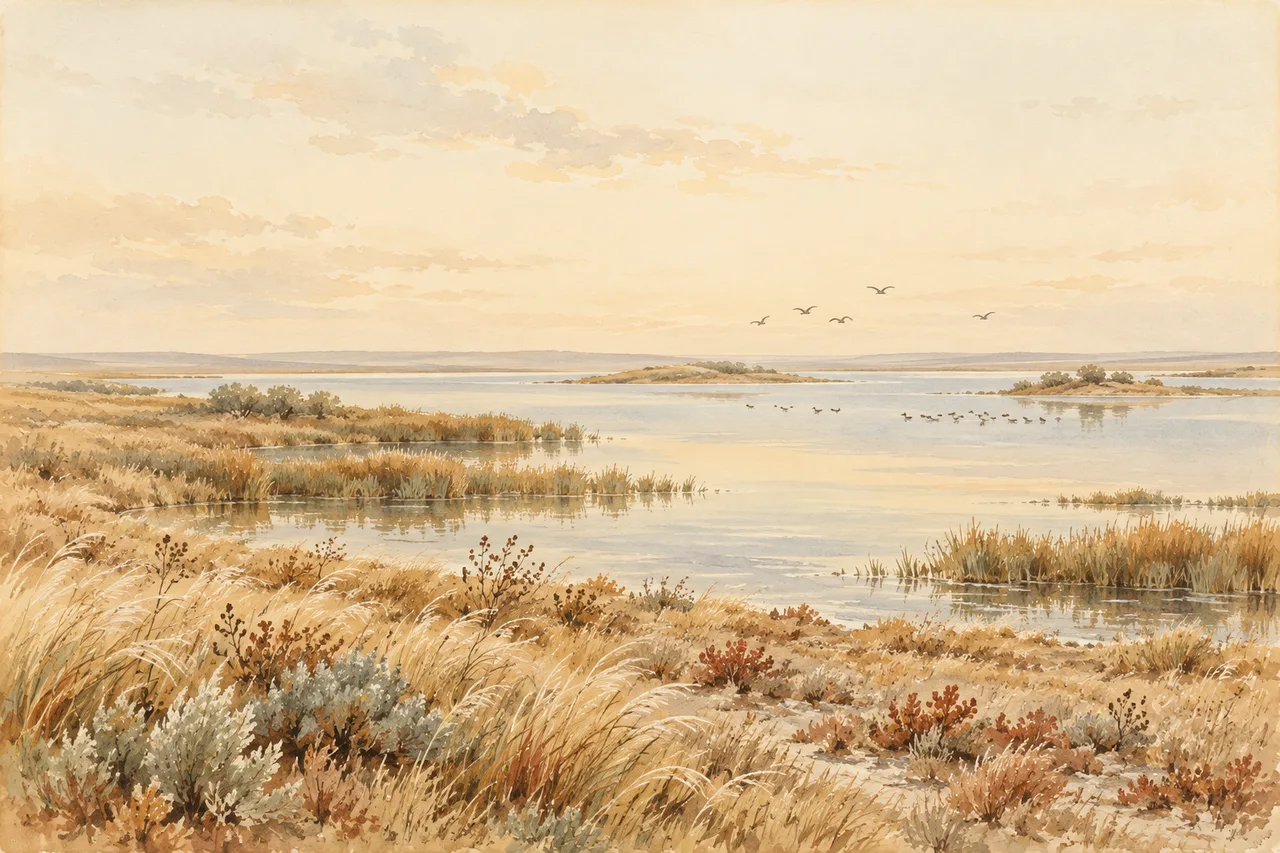
In the Manych Valley, Lake Manych-Gudilo fills a long depression left by an ancient sea passage between the Black and Caspian seas. The saltwater lake, its islands and shores sit among dry steppe and semi-desert, with open plains extending beyond the water. Fescue and feather grass dominate the steppe; where soils are saline, they give way to communities of salt-tolerant plants. At the Tsagaan-Haq tract, a salt marsh is flooded in spring, and the low ground is seasonally under water.
Read more
The Manych depression lies between the Sea of Azov and the Caspian Sea, and the landforms vary from one part of the reserve to another. The Starikovskii Sector occupies the second terrace above the floodplain, where undulating ground is cut by deep ravines. Small salt lakes in the surrounding area were once used for salt production and for collecting medicinal mud. Saline waters and soils thus shaped local economic use as well as the character of the landscape.
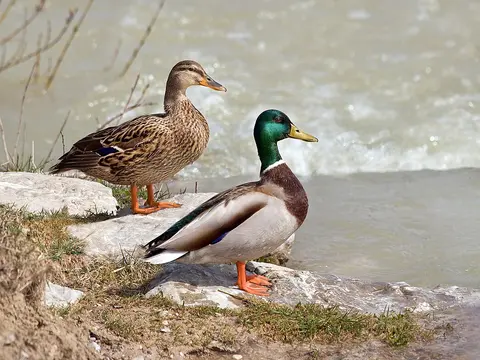
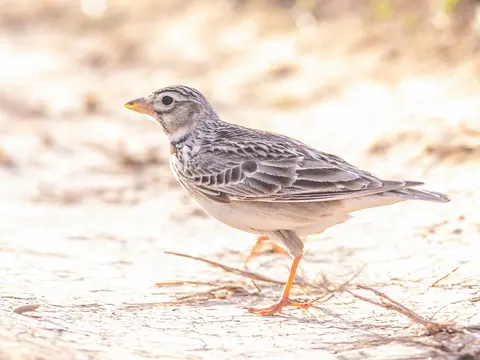
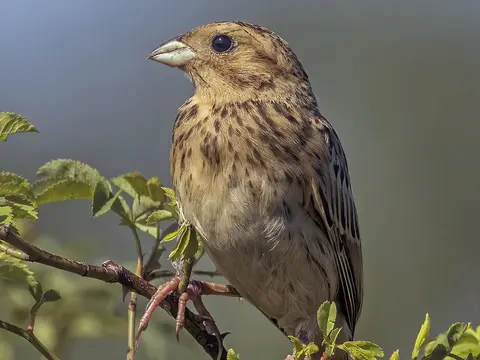
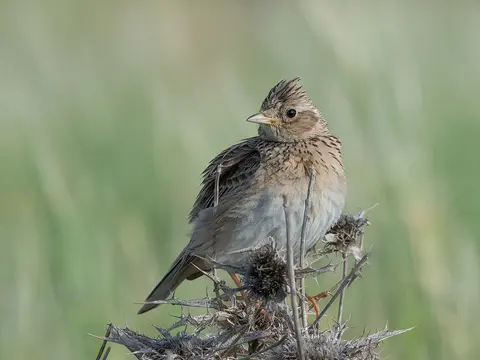
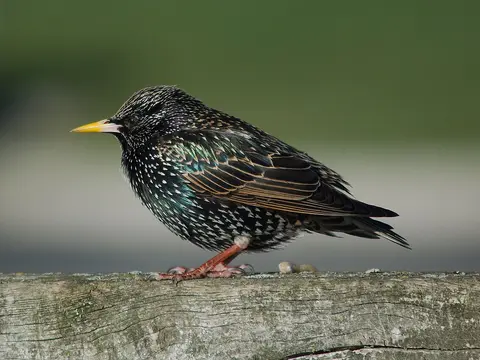
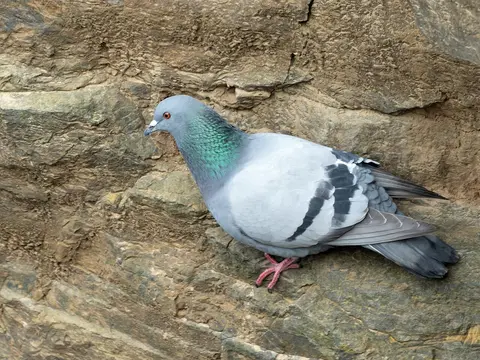
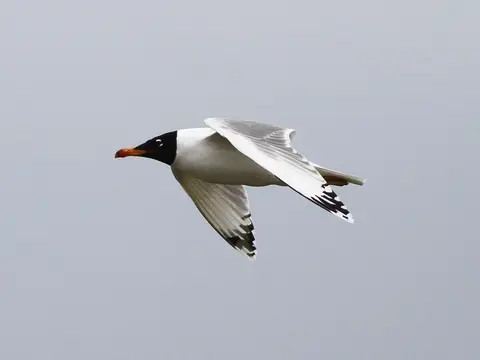
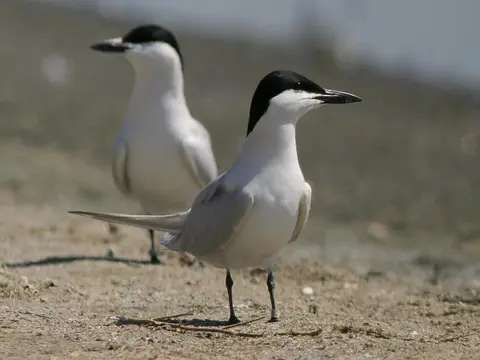
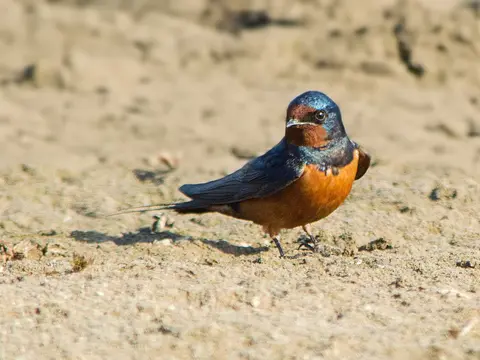
More than 200 bird species have been recorded in the reserve and adjacent steppe and water areas. About 120 nest in the area, 63 are recorded during local movements and migration, and 16 are present in winter. Rare birds named for the reserve include the bustard, little tern, pink pelican and spoonbill. Birds recorded nearby include the mallard, calandra lark, Mediterranean gull and corn bunting.
When there are more birds
Pick a month to see its birds
- Winter
- Spring
- Summer
- Autumn
Getting there
Directions on the map you prefer