Shartash
Link copied.
Rarely recorded

- Species
- ≈ 115 species Source, Species: Community observations: eBird and GBIF
- Best time
- May–June Source, Best time: Months with the most species, across all years of observations
- ≈ 115 species Source, Species: Community observations: eBird and GBIF
- May–June Source, Best time: Months with the most species, across all years of observations
Birds in October
All birds
October



About the lake
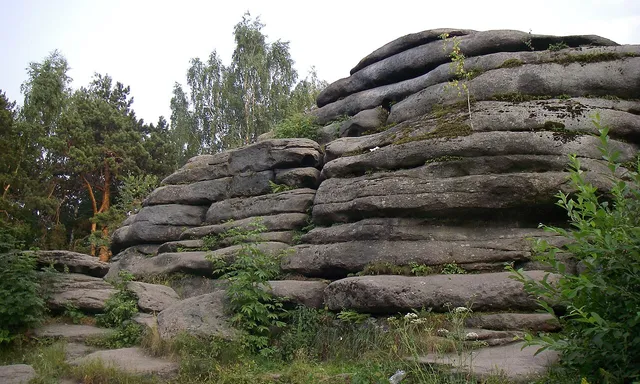
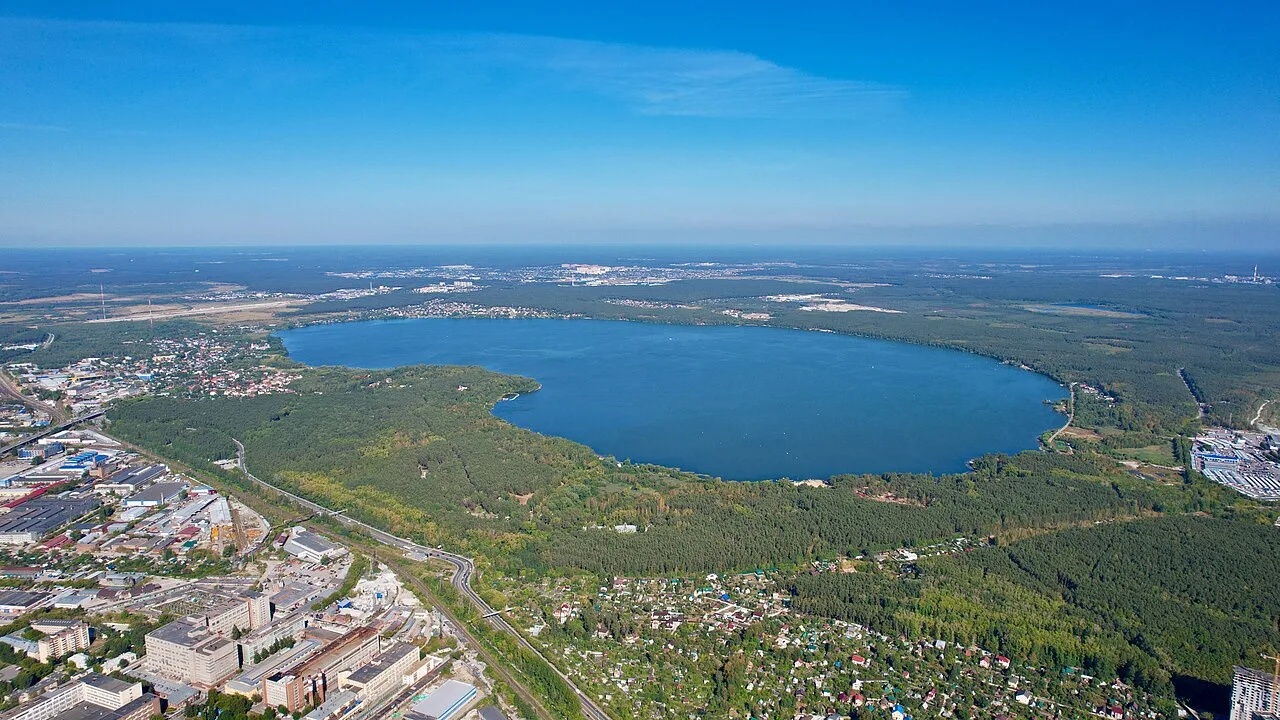
About fifty small springs, most of them icy-cold, feed Shartash on the north-eastern edge of Yekaterinburg and help keep the lake from drying out. A pine forest lies near the shore; within it, the Shartash Stone Tents are a natural monument known for their unusual rock formations.
Read more
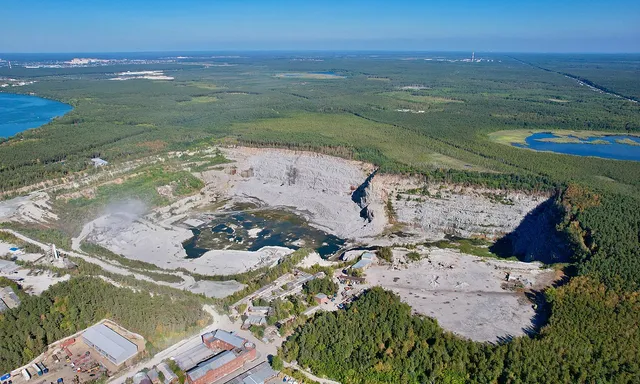
Shartash formed about one million years ago. Sapropel deposits accumulated in its basin, and a substantial part is contaminated with heavy metals carried in water pumped from a granite quarry. Water once drained from the lake’s southern bay towards the Iset River, but by the late nineteenth century the flow was already intermittent. An emergency outlet still operates: water passes through a concrete pipe and then a ditch, though the stream dries up in dry weather. The shores preserve traces of human presence dating back to the Late Neolithic. In 1745, Erofey Markov, an Old Believer peasant from the village of Shartash, discovered Russia’s first lode gold at the Berezovskoye deposit. The area around the lake became a centre of Old Belief in the Urals. The name is usually explained through the Turkic roots sary, ‘yellow’, and tash, ‘stone’, referring to the colour of the shore rocks; it has also been linked to the Bashkir word shar, meaning ‘swamp’.
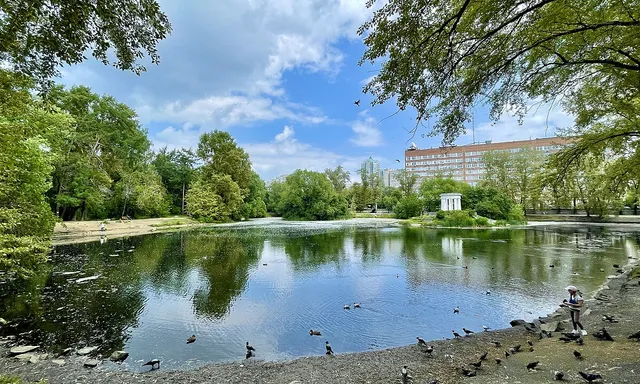
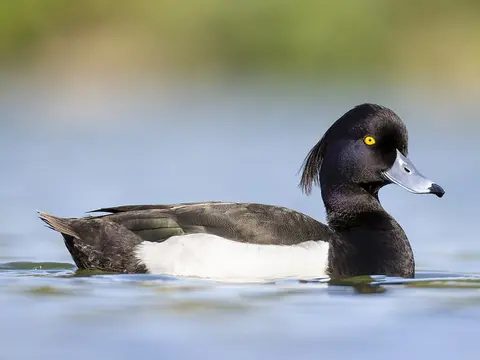
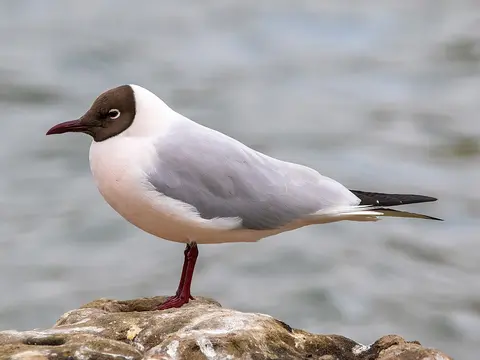
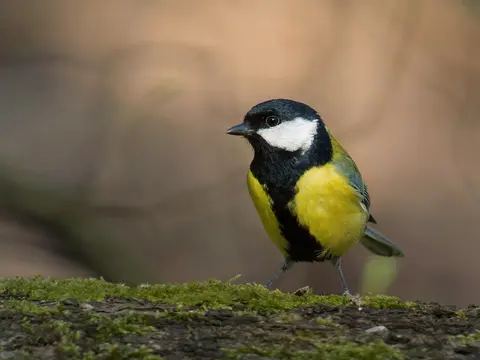
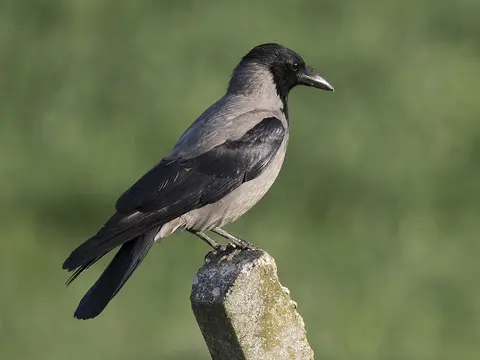
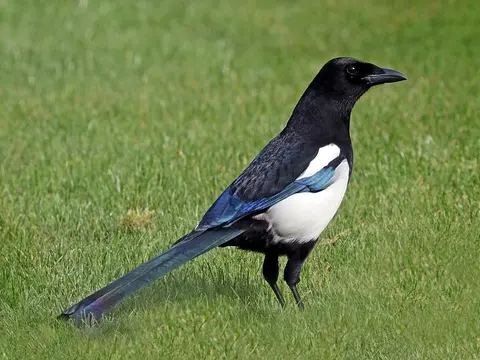
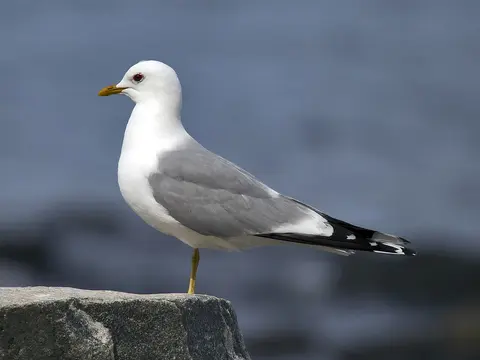
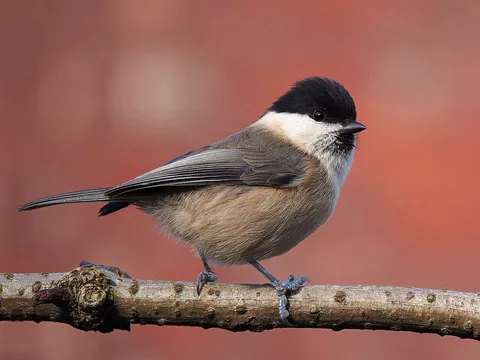
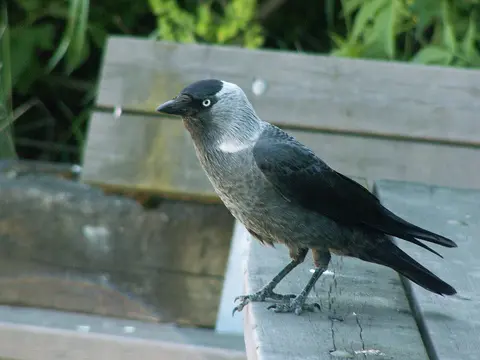
Birds recorded nearby include the hooded crow, great tit, Eurasian magpie, black-headed gull and mallard.
When there are more birds
October — 57 species
- Winter
- Spring
- Summer
- Autumn
Getting there
Directions on the map you prefer