Seliger
Link copied.
- Species
- ≈ 49 species Source, Species: Community observations: eBird and GBIF
- Best time
- August Source, Best time: Months with the most species, across all years of observations
- ≈ 49 species Source, Species: Community observations: eBird and GBIF
- August Source, Best time: Months with the most species, across all years of observations
Birds year-round
All birds
All year


About the lake
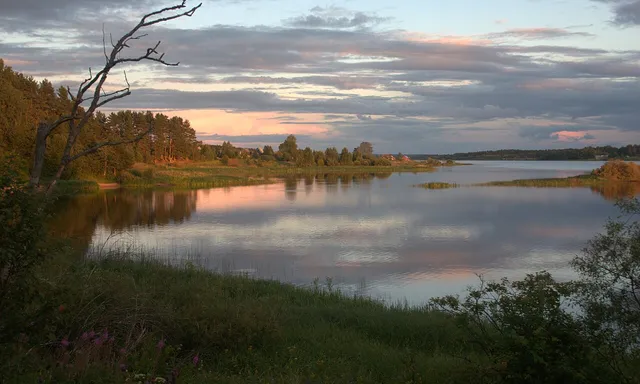
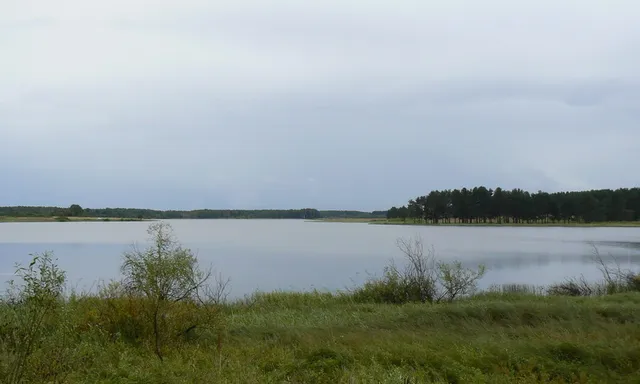
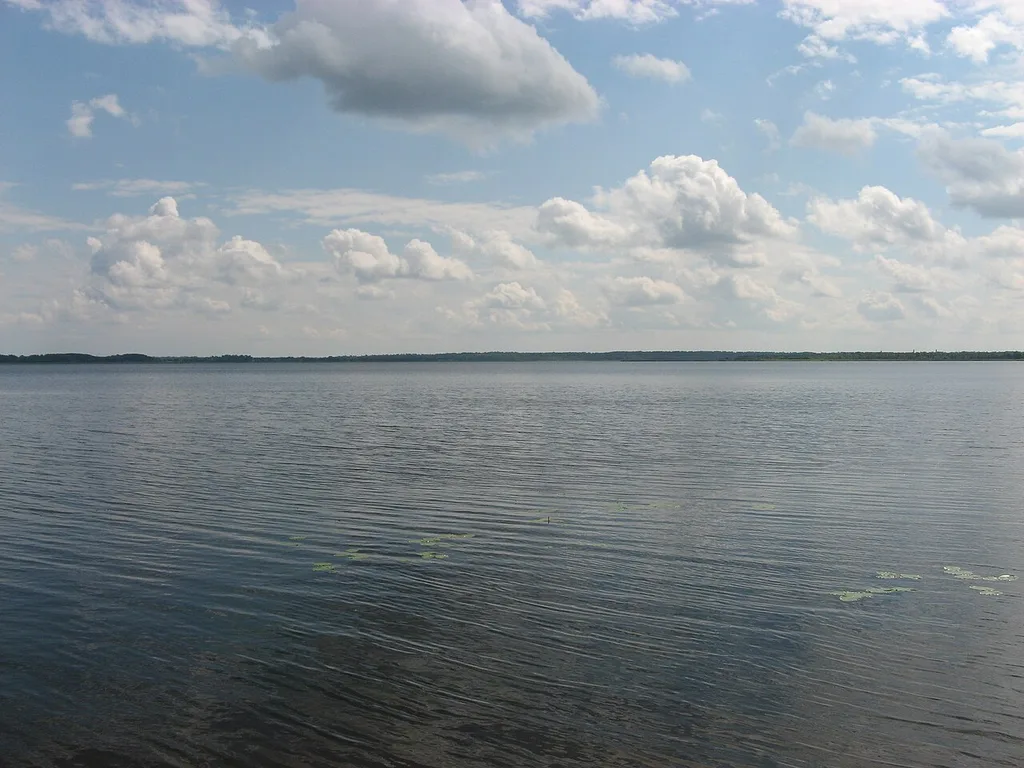
Seliger stretches about 100 kilometres from north to south, like a chain of lakes joined by short, narrow channels. This glacial lake system is divided into 24 reaches, and its 528-kilometre shoreline is deeply indented by wooded headlands and bays. More than 160 islands lie among the waters; Khachin is the largest. Common reed and sedge fringe sandy shallows, while bulrush, cattails and pondweeds grow in backwaters and bays, among white water lilies and yellow pond-lilies. Conifers and broad-leaved trees grow along the shores. The lake averages 5.8 metres deep, reaches 24 metres at its deepest point, and has water transparency of up to five metres.
Read more
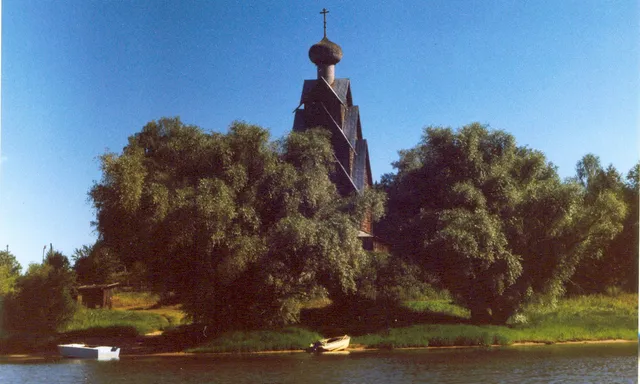
Seliger lies in Tver and Novgorod oblasts, within the Volga basin. About 110 rivers and streams flow into it, but only one river flows out: the Selizharovka carries water from the lake’s southern end towards the Volga. Chronicles of the 12th and 13th centuries record the lake under the name Sereger. Its present name is thought to have Baltic-Finnic origins, though its exact meaning remains unsettled; proposed interpretations include “high-lying lake” and “lake of roach”. On Stolobny Island stands the Nilo-Stolobensky Monastery, founded in honour of Nil Stolobensky.
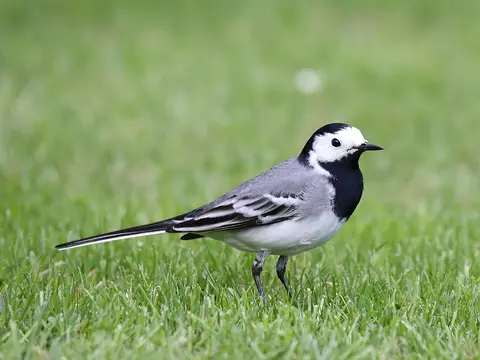
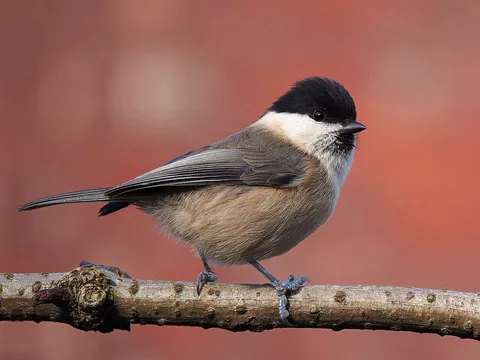
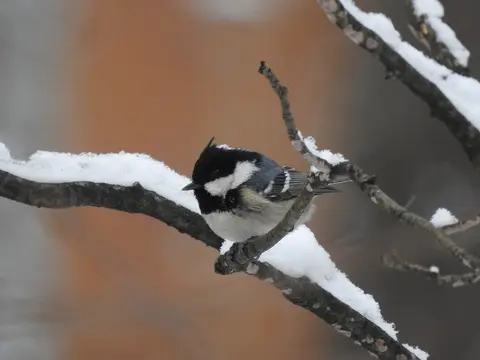
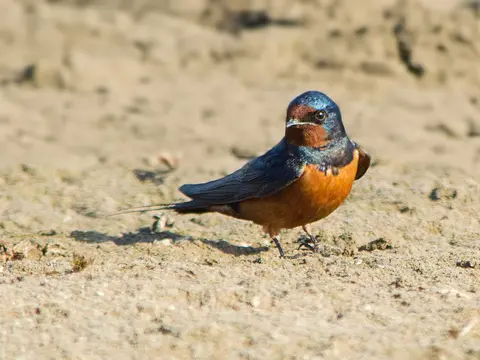
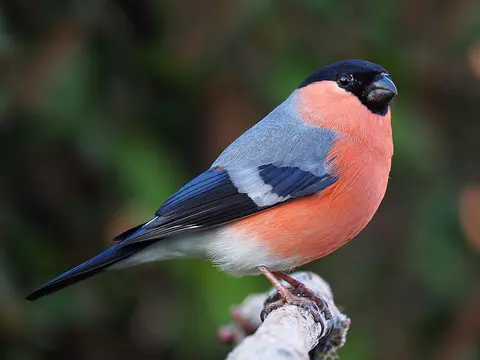
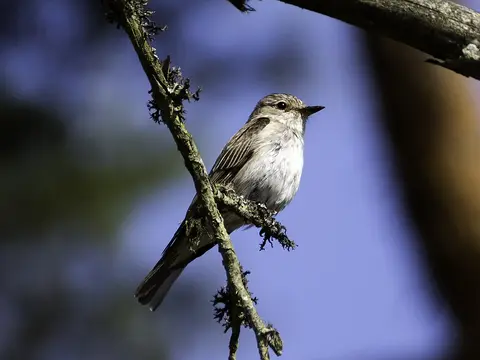
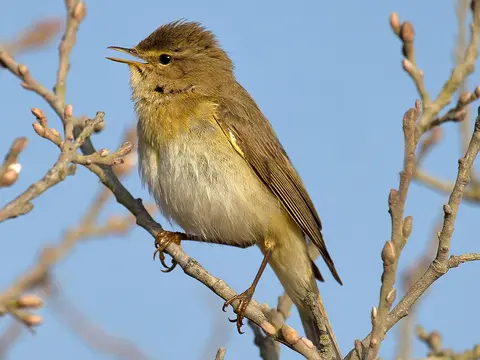
Birds recorded nearby include the white wagtail, tree pipit, common chiffchaff, whinchat and willow tit.
When there are more birds
Pick a month to see its birds
- Winter
- Spring
- Summer
- Autumn
Getting there
Directions on the map you prefer